Krius Intelligent Manufacturing (Jiangmen) Co., Ltd.

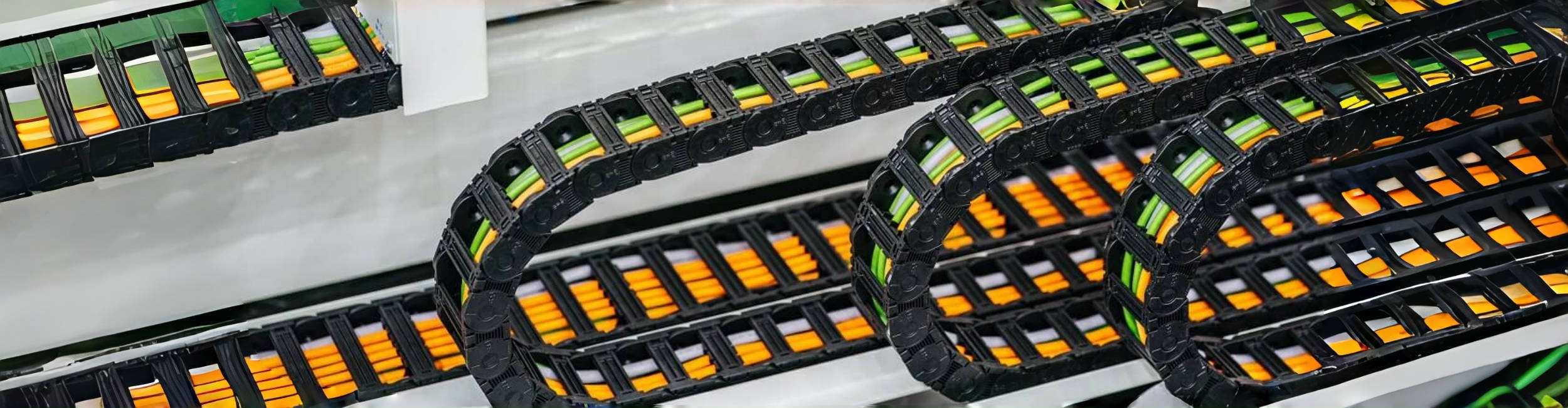
Understanding Cable Drag Chains: Essential Components for Manufacturing Machinery
Cable drag chains, also known as energy chains or drag chains, play a pivotal role in the manufacturing and machining industries. These components are designed to guide and protect cables, hoses, and other flexible connections in dynamic applications, ensuring smooth operation and reducing wear over time. Their importance cannot be overstated, especially in environments where movement and flexibil
2026-08-29
One of the main functions of a cable drag chain is to manage the movement of cables and hoses in machinery, such as CNC machines, robotic arms, and conveyor systems. By providing a dedicated pathway for these components, drag chains help prevent entanglement and damage, which can lead to costly downtime and repairs. This containment not only prolongs the lifespan of the cables but also enhances the overall safety of the machinery.
Cable drag chains come in various designs and sizes to accommodate different applications. They are typically made from durable materials such as plastic or metal, chosen for their strength and resistance to environmental factors. Some chains feature a modular design, allowing for easy customization and installation, while others may include integrated strain relief systems to further protect the cables from stress caused by movement.
In addition to their protective role, cable drag chains offer several benefits that can enhance the efficiency of manufacturing processes. For example, they facilitate organized cable management, reducing the time and effort required for maintenance and troubleshooting. By keeping cables properly routed and secured, drag chains also minimize the risk of electrical interference, which can lead to malfunctions or inaccurate machine performance.
The applications of cable drag chains extend beyond traditional machining equipment. They are widely used in industries such as automotive, aerospace, packaging, and automation. As manufacturing processes evolve, the demand for efficient and reliable cable management systems continues to grow, making cable drag chains an essential consideration for any machinery design.
In conclusion, understanding the role and advantages of cable drag chains is crucial for professionals in the manufacturing and machining sectors. These components not only ensure the longevity of critical connections but also enhance operational safety and performance. Investing time in selecting the right cable drag chain can yield significant returns in efficiency and productivity, making it a key component in modern manufacturing practices.
PREVIOUS:
Related News

Maximizing Efficiency with Cable Drag Chains in Manufacturing
In the realm of manufacturing and machining, the need for organized, efficient, and safe cable management is paramount. This is where cable drag chains come into play. A cable drag chain is designed to house and protect cables, hoses, and other components, allowing for smooth, unhindered movement in machinery. With a variety of designs and configurations available, they cater to specific requireme
How to Troubleshoot Issues with Your Plastic Drag Chain Table of Contents Understanding Plastic Drag Chains Common Issues with Plastic Drag Chains Identifying the Symptoms of Drag Chain Failure Step-by-Step Troubleshooting Guide Preventative Maintenance Tips for Plastic Drag Chains When to Replace Your Drag Chain Best Practices for Installing Drag Chains Conclusion
Subscribe to
Get the latest information on company products


Contact
Add: 14-2,Liandong U Valley,Manufacturing Industrial Park,Tangxia Town,Pengjiang District,Jiangmen City Guangdong Province, China