Krius Intelligent Manufacturing (Jiangmen) Co., Ltd.

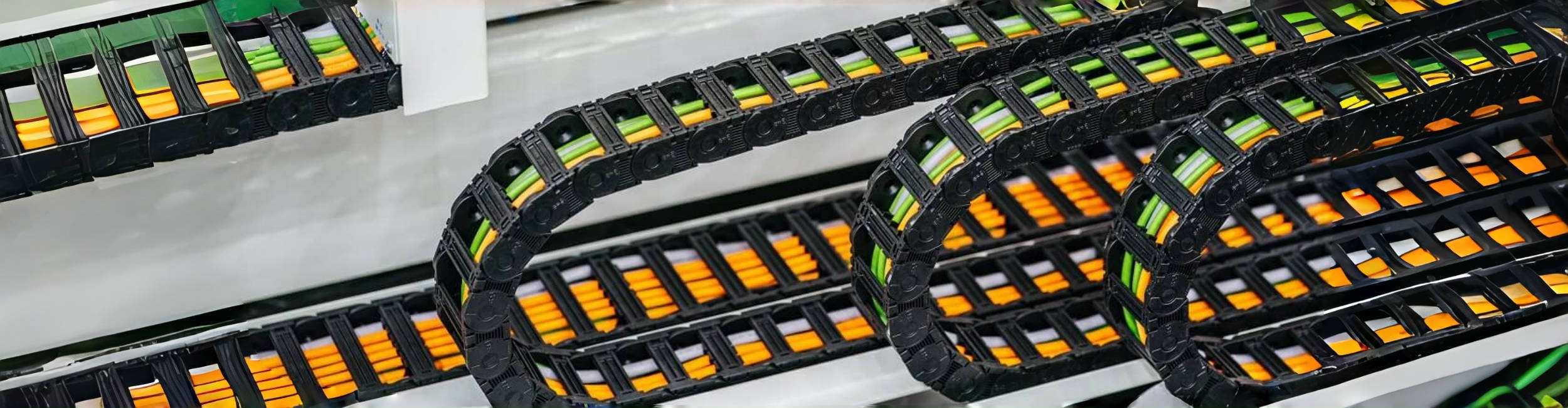
Safety First: Understanding the Critical Role of Heavy Duty Tow Chains in Industrial Applications
Safety First: Understanding the Critical Role of Heavy Duty Tow Chains in Industrial Applications Table of Contents 1. Introduction to Heavy Duty Tow Chains 2. The Importance of Heavy Duty Tow Chains in Industrial Settings 3. Types of Heavy Duty Tow Chains: Which One is Right for You? 4. Key Specifications of Heavy Duty Tow Chains 5. Applications of Heavy Duty Tow Chains in Di
2026-09-01
Safety First: Understanding the Critical Role of Heavy Duty Tow Chains in Industrial Applications
Table of Contents
- 1. Introduction to Heavy Duty Tow Chains
- 2. The Importance of Heavy Duty Tow Chains in Industrial Settings
- 3. Types of Heavy Duty Tow Chains: Which One is Right for You?
- 4. Key Specifications of Heavy Duty Tow Chains
- 5. Applications of Heavy Duty Tow Chains in Different Industries
- 6. Maintenance Tips for Heavy Duty Tow Chains
- 7. Safety Protocols When Using Tow Chains
- 8. Conclusion: The Future of Heavy Duty Tow Chains in Manufacturing
- 9. Frequently Asked Questions (FAQs)
1. Introduction to Heavy Duty Tow Chains
Heavy-duty tow chains are integral components in various industrial applications, especially within the manufacturing and machining sectors. They are designed to handle substantial weight loads and facilitate the safe transportation of materials and equipment. Understanding their functionality and significance can lead to enhanced operational safety and efficiency.
2. The Importance of Heavy Duty Tow Chains in Industrial Settings
In industrial environments, safety should always be a top priority. Heavy-duty tow chains help mitigate the risk of accidents associated with lifting and moving heavy loads. Their robustness ensures that they can withstand the rigors of daily use, providing a reliable solution for transportation tasks. By employing quality tow chains, businesses can significantly reduce the potential for workplace injuries, safeguard equipment, and optimize productivity.
2.1 Enhancing Safety and Reducing Risks
The primary role of heavy-duty tow chains is to provide a secure means of transport for heavy items. When properly utilized, they minimize the chance of accidents such as equipment failure or load shifts, which can lead to serious injuries. Implementing proper safety measures when using tow chains, including regular inspections and adherence to weight limits, is crucial for maintaining a secure workplace.
2.2 Driving Efficiency and Productivity
Efficiency is paramount in any industrial operation. Heavy-duty tow chains facilitate the smooth movement of materials and machinery, thus enhancing workflow. By ensuring that heavy loads can be transported quickly and safely, companies can optimize production timelines and reduce downtime.
3. Types of Heavy Duty Tow Chains: Which One is Right for You?
Choosing the right type of heavy-duty tow chain is critical to meeting specific industrial needs. Several variations exist, each designed for different applications.
3.1 Transport Chains
Transport chains are designed for moving heavy loads over long distances. They are typically made of high-strength steel to withstand continuous use.
3.2 Lifting Chains
These chains are used in conjunction with hoisting equipment to lift heavy items. They are often coated to prevent corrosion and wear.
3.3 Binder Chains
Binder chains are used for securely fastening loads during transport. They are essential for ensuring that cargo remains stable and secure.
4. Key Specifications of Heavy Duty Tow Chains
Understanding the specifications of heavy-duty tow chains is vital for ensuring they meet the demands of your specific application.
4.1 Load Capacity
Load capacity refers to the maximum weight a tow chain can safely handle. It is crucial to select a chain with a load capacity that exceeds your heaviest anticipated load.
4.2 Material Composition
Most heavy-duty tow chains are constructed from high-strength steel or alloy materials, providing durability and resistance to fatigue.
4.3 Chain Links and Size
The size and type of chain links can affect both the performance and the application of the tow chain. Larger links may offer enhanced strength but could be more cumbersome to work with.
5. Applications of Heavy Duty Tow Chains in Different Industries
Heavy-duty tow chains are utilized across various industries, showcasing their versatility and reliability.
5.1 Construction
In construction, tow chains are essential for lifting and moving heavy equipment and materials, ensuring that projects run smoothly and efficiently.
5.2 Manufacturing
Manufacturers depend on heavy-duty tow chains for transporting raw materials and finished products within factories, contributing to streamlined operations.
5.3 Transportation and Logistics
In logistics, tow chains play a vital role in securing cargo during transport, minimizing the risk of damage and accidents.
6. Maintenance Tips for Heavy Duty Tow Chains
Proper maintenance of heavy-duty tow chains is essential to ensure their longevity and effectiveness.
6.1 Regular Inspections
Conducting regular inspections for wear, corrosion, or damage is crucial for maintaining safety and performance. Chains should be examined at least once a month, or more frequently if used in harsh conditions.
6.2 Cleaning and Lubrication
Keeping tow chains clean and properly lubricated will reduce friction and wear. Use appropriate cleaning agents and lubricants specifically designed for heavy-duty chains.
6.3 Storage Practices
When not in use, tow chains should be stored in a dry, clean environment to prevent rust and deterioration.
7. Safety Protocols When Using Tow Chains
Establishing strict safety protocols is imperative when using heavy-duty tow chains.
7.1 Training Personnel
Training workers on the correct usage and safety measures associated with tow chains can prevent accidents and ensure compliance with safety standards.
7.2 Adhering to Weight Limits
Always respect the manufacturer's specifications regarding weight limits. Exceeding these can lead to catastrophic failures.
7.3 Using Proper Equipment
Ensure that all equipment used in conjunction with tow chains, such as hoists and pulleys, is rated for the same load capacity.
8. Conclusion: The Future of Heavy Duty Tow Chains in Manufacturing
The importance of heavy-duty tow chains in industrial applications cannot be overstated. As industries evolve and the demand for efficient, safe transportation methods increases, the role of heavy-duty tow chains will remain crucial. By understanding their specifications, applications, and maintenance needs, organizations can enhance safety, productivity, and operational efficiency. Investing in quality tow chains and following best practices will ensure that these vital components continue to support industrial operations for years to come.
9. Frequently Asked Questions (FAQs)
9.1 What is the primary purpose of heavy-duty tow chains?
Heavy-duty tow chains are designed to safely transport and secure heavy loads in various industrial applications.
9.2 How do I determine the right load capacity for a tow chain?
Always choose a tow chain with a load capacity that exceeds the maximum weight of the items you intend to transport.
9.3 What materials are heavy-duty tow chains made of?
They are typically made from high-strength steel or alloy materials, ensuring durability and resistance to wear.
9.4 How often should I inspect my tow chains?
Regular inspections should be conducted at least monthly, or more frequently if the chains are subjected to harsh conditions.
9.5 What safety measures should I take when using tow chains?
Ensure personnel are trained, respect weight limits, and use compatible equipment to enhance safety when using tow chains.
This comprehensive overview highlights the significance of heavy-duty tow chains in industrial settings and underscores the necessity for ongoing education and adherence to safety protocols.
Related News

Maximizing Efficiency with Cable Drag Chains in Manufacturing
In the realm of manufacturing and machining, the need for organized, efficient, and safe cable management is paramount. This is where cable drag chains come into play. A cable drag chain is designed to house and protect cables, hoses, and other components, allowing for smooth, unhindered movement in machinery. With a variety of designs and configurations available, they cater to specific requireme
How to Troubleshoot Issues with Your Plastic Drag Chain Table of Contents Understanding Plastic Drag Chains Common Issues with Plastic Drag Chains Identifying the Symptoms of Drag Chain Failure Step-by-Step Troubleshooting Guide Preventative Maintenance Tips for Plastic Drag Chains When to Replace Your Drag Chain Best Practices for Installing Drag Chains Conclusion
Subscribe to
Get the latest information on company products


Contact
Add: 14-2,Liandong U Valley,Manufacturing Industrial Park,Tangxia Town,Pengjiang District,Jiangmen City Guangdong Province, China