Krius Intelligent Manufacturing (Jiangmen) Co., Ltd.

Maximizing Efficiency with Cable Drag Chains in Manufacturing
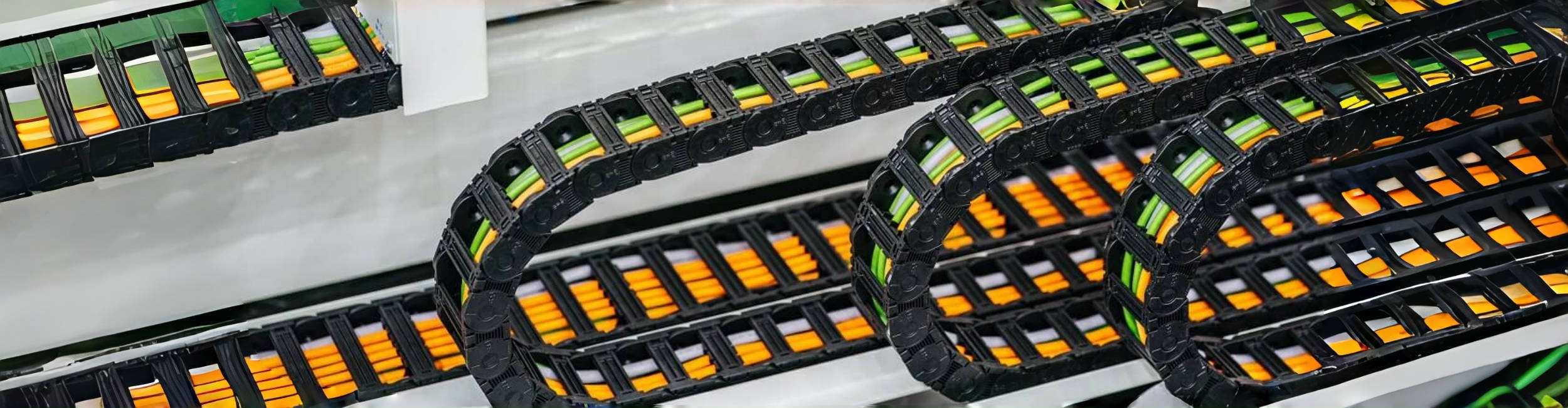
In the realm of manufacturing and machining, the need for organized, efficient, and safe cable management is paramount. This is where cable drag chains come into play. A cable drag chain is designed to house and protect cables, hoses, and other components, allowing for smooth, unhindered movement in machinery. With a variety of designs and configurations available, they cater to specific requireme
2026-09-16
One of the most significant advantages of using cable drag chains is that they help prevent cable wear and tear. In an environment where machinery is in constant motion, cables can easily become entangled or damaged if not properly managed. By using drag chains, manufacturers can ensure that cables are neatly organized and securely held in place, reducing the likelihood of costly repairs or replacements.
Cable drag chains come in different materials, such as plastic, steel, and aluminum, each providing unique benefits. For instance, plastic drag chains are lightweight and resistant to corrosion, making them ideal for indoor environments. Steel or aluminum options, on the other hand, offer increased durability and strength, suitable for heavy-duty applications. Understanding the specific needs of your machinery will guide you in selecting the right material for your cable drag chains.
Moreover, the installation of cable drag chains can significantly improve the overall efficiency of manufacturing processes. Properly managed cables allow for smoother operation of machines, reducing downtime caused by cable-related issues. Furthermore, by minimizing friction and enhancing mobility, drag chains can lead to faster production cycles.
The versatility of cable drag chains extends to their adaptability in various settings, including CNC machines, robotic arms, and conveyor systems. In each of these scenarios, cable drag chains play a crucial role in promoting safety and reliability. They prevent accidents caused by trailing cables while also ensuring that maintenance is easier and quicker, as the organized setup allows for straightforward access.
When implementing cable drag chains, it's essential to consider factors such as the length of travel, bend radius, and load capacity. These elements will influence the performance and longevity of your drag chains. Additionally, regular maintenance checks will ensure that both the cables and the drag chains function optimally over time.
In conclusion, cable drag chains are a vital component in the manufacturing and machining industries. By investing in high-quality cable drag chains, manufacturers can achieve enhanced operational efficiency, reduce equipment wear, and maintain a safer working environment. Understanding their importance and properly integrating them into your systems can lead to significant long-term benefits.
PREVIOUS:
Related News

Maximizing Efficiency with Cable Drag Chains in Manufacturing
In the realm of manufacturing and machining, the need for organized, efficient, and safe cable management is paramount. This is where cable drag chains come into play. A cable drag chain is designed to house and protect cables, hoses, and other components, allowing for smooth, unhindered movement in machinery. With a variety of designs and configurations available, they cater to specific requireme
How to Troubleshoot Issues with Your Plastic Drag Chain Table of Contents Understanding Plastic Drag Chains Common Issues with Plastic Drag Chains Identifying the Symptoms of Drag Chain Failure Step-by-Step Troubleshooting Guide Preventative Maintenance Tips for Plastic Drag Chains When to Replace Your Drag Chain Best Practices for Installing Drag Chains Conclusion
Subscribe to
Get the latest information on company products


Contact
Add: 14-2,Liandong U Valley,Manufacturing Industrial Park,Tangxia Town,Pengjiang District,Jiangmen City Guangdong Province, China