Krius Intelligent Manufacturing (Jiangmen) Co., Ltd.

How to Troubleshoot Issues with Your Plastic Drag Chain: A Comprehensive Guide for Optimal Performance
How to Troubleshoot Issues with Your Plastic Drag Chain Table of Contents Understanding Plastic Drag Chains Common Issues with Plastic Drag Chains Identifying the Symptoms of Drag Chain Failure Step-by-Step Troubleshooting Guide Preventative Maintenance Tips for Plastic Drag Chains When to Replace Your Drag Chain Best Practices for Installing Drag Chains Conclusion
2026-09-13
How to Troubleshoot Issues with Your Plastic Drag Chain
Table of Contents
- Understanding Plastic Drag Chains
- Common Issues with Plastic Drag Chains
- Identifying the Symptoms of Drag Chain Failure
- Step-by-Step Troubleshooting Guide
- Preventative Maintenance Tips for Plastic Drag Chains
- When to Replace Your Drag Chain
- Best Practices for Installing Drag Chains
- Conclusion
- FAQs
Understanding Plastic Drag Chains
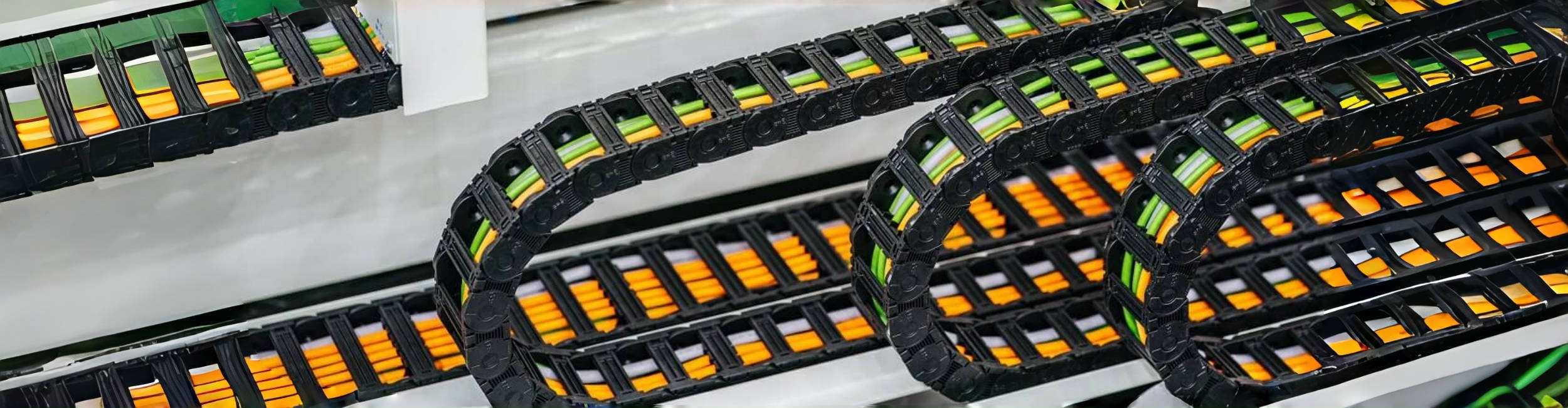
Plastic drag chains serve a crucial role in various manufacturing and machinery sectors. They are designed to guide and protect cables and hoses in moving applications, ensuring that these essential components operate smoothly and efficiently. Made from durable plastic materials, drag chains offer flexibility, resistance to abrasion, and a lightweight profile, making them an excellent choice for diverse environments.
Understanding how plastic drag chains work is fundamental to troubleshooting any issues that may arise. These chains consist of interconnected links that allow for easy movement along a predetermined path. They are commonly used in applications such as CNC machines, robotics, conveyor systems, and other automated machinery.
Common Issues with Plastic Drag Chains
Various problems can occur with plastic drag chains, impacting their performance. Recognizing these issues early can save time and resources. Common problems include:
1. Friction and Wear
Over time, plastic drag chains can experience friction and wear due to repetitive motion and contact with surfaces. This can lead to a decrease in performance and potential chain failure.
2. Misalignment
Improper installation can cause misalignment, where the drag chain does not move smoothly along its path. This can result in excess strain on the chain and connected components.
3. Cracking and Breakage
Exposure to harsh environments or chemicals can lead to cracking or breakage of the plastic material. This significantly compromises the chain's integrity and efficiency.
4. Cable Damage
When cables within the drag chain become pinched or crimped, it can lead to damage, causing electrical failures or other operational issues.
5. Noise and Vibration
Unusual noises or vibrations during operation can indicate that something is wrong with the drag chain, often stemming from wear, misalignment, or improper lubrication.
Identifying the Symptoms of Drag Chain Failure
Before diving into troubleshooting, it is essential to identify the symptoms of drag chain failure. Common indicators include:
1. Unusual Noises
Listen for grinding or squeaking sounds, which can suggest friction or misalignment issues.
2. Reduced Performance
If machinery is slowing down or struggling to operate, this could be a sign of drag chain problems.
3. Visual Inspection
Look for cracks, signs of wear, or misalignment during routine inspections. Any visible damage warrants immediate attention.
4. Cable Malfunctions
Check connected cables for signs of wear or damage, as these can affect the overall system's performance.
Step-by-Step Troubleshooting Guide
When faced with issues regarding your plastic drag chain, follow these comprehensive troubleshooting steps:
Step 1: Conduct a Visual Inspection
Begin by examining the drag chain for visible damage. Look for cracks, wear, or signs of misalignment. Ensure that the chain runs freely along its designated path.
Step 2: Check for Misalignment
Verify that the drag chain is properly aligned. If it appears skewed or off-track, adjust the mounting points or guides accordingly.
Step 3: Examine for Friction and Wear
Inspect the chain links for any signs of friction or wear. Lubricate moving parts as necessary to reduce friction and improve performance.
Step 4: Test Cable Integrity
Inspect the cables housed within the drag chain. Look for pinched areas or signs of damage. Replace any damaged cables to prevent further issues.
Step 5: Monitor Performance
After addressing any issues, observe the drag chain's performance during operation. Listen for unusual sounds and watch for signs of improvement.
Preventative Maintenance Tips for Plastic Drag Chains
To prolong the lifespan of your plastic drag chains and maintain their efficiency, consider these preventative maintenance tips:
1. Regular Inspections
Perform routine checks on your drag chains, looking for signs of wear, damage, or misalignment.
2. Lubrication
Regularly lubricate the chain and associated components to minimize friction and wear. Use appropriate lubricants as specified by the manufacturer.
3. Proper Installation
Ensure that the drag chain is installed correctly, following the manufacturer's guidelines. Proper installation reduces the risk of misalignment and other issues.
4. Environmental Considerations
Be mindful of the environment in which your drag chain operates. Protect it from extreme temperatures, chemicals, and other damaging factors.
When to Replace Your Drag Chain
Even with diligent care, plastic drag chains have a finite lifespan. Consider replacing your drag chain if you notice:
1. Significant Cracking
If the drag chain exhibits extensive cracking, it may be time for a replacement to ensure safety and performance.
2. Excessive Wear
If wear has reached a point where the chain no longer functions effectively, replacing it is the best course of action.
3. Persistent Performance Issues
If problems persist despite troubleshooting efforts, it may indicate that the drag chain has reached the end of its service life.
Best Practices for Installing Drag Chains
Proper installation can significantly reduce future issues. Follow these best practices:
1. Follow Manufacturer Guidelines
Always adhere to the manufacturer's guidelines for installation and maintenance to ensure optimal performance.
2. Use the Correct Size
Select the appropriate drag chain size for your application to prevent overloading or excessive wear.
3. Ensure Adequate Support
Provide sufficient support and guidance along the drag chain's path to prevent unnecessary strain on the chain.
4. Maintain a Clear Path
Ensure that the path of the drag chain is free from obstructions to allow for smooth movement.
Conclusion
Troubleshooting issues with plastic drag chains requires a comprehensive understanding of their function, common problems, and maintenance practices. By following a systematic approach to identify and resolve issues, you can enhance the performance and longevity of your drag chain systems. Regular inspections, proper installation, and preventative maintenance are key to avoiding costly downtime and ensuring efficient operations in your manufacturing processes.
FAQs
1. What are the most common issues with plastic drag chains?
Common issues include friction and wear, misalignment, cracking or breakage, cable damage, and unusual noise or vibration during operation.
2. How can I extend the lifespan of my plastic drag chain?
Regular inspections, proper lubrication, and adherence to installation guidelines can help prolong the lifespan of your drag chain.
3. When should I consider replacing my plastic drag chain?
Consider replacement if you observe significant cracking, excessive wear, or persistent performance issues despite troubleshooting.
4. What steps should I take during troubleshooting?
Conduct a visual inspection, check for misalignment, examine for friction, test cable integrity, and monitor performance after making adjustments.
5. Are there specific lubricants recommended for plastic drag chains?
Always refer to the manufacturer's specifications for recommended lubricants that are compatible with your specific plastic drag chain.
Related News

Maximizing Efficiency with Cable Drag Chains in Manufacturing
In the realm of manufacturing and machining, the need for organized, efficient, and safe cable management is paramount. This is where cable drag chains come into play. A cable drag chain is designed to house and protect cables, hoses, and other components, allowing for smooth, unhindered movement in machinery. With a variety of designs and configurations available, they cater to specific requireme
How to Troubleshoot Issues with Your Plastic Drag Chain Table of Contents Understanding Plastic Drag Chains Common Issues with Plastic Drag Chains Identifying the Symptoms of Drag Chain Failure Step-by-Step Troubleshooting Guide Preventative Maintenance Tips for Plastic Drag Chains When to Replace Your Drag Chain Best Practices for Installing Drag Chains Conclusion
Subscribe to
Get the latest information on company products


Contact
Add: 14-2,Liandong U Valley,Manufacturing Industrial Park,Tangxia Town,Pengjiang District,Jiangmen City Guangdong Province, China