Krius Intelligent Manufacturing (Jiangmen) Co., Ltd.

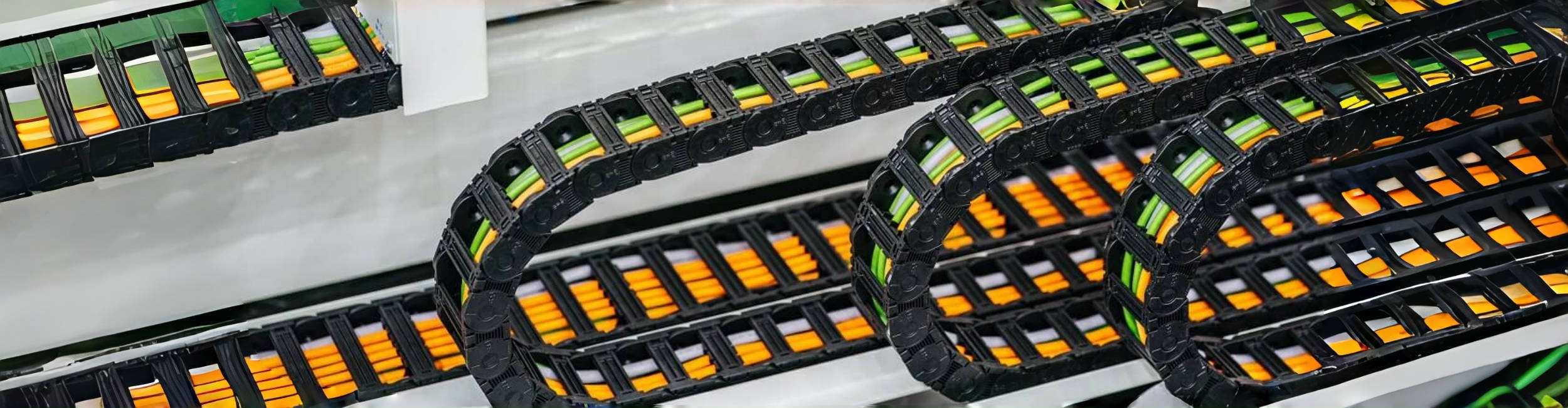
A Comprehensive Guide to Maintenance for Plastic Drag Chains
A Comprehensive Guide to Maintenance for Plastic Drag Chains Table of Contents 1. Introduction to Plastic Drag Chains 2. Understanding Drag Chains: Types and Applications 2.1 Types of Plastic Drag Chains 2.2 Applications in Various Industries 3. Importance of Regular Maintenance for Plastic Drag Chains 4. Essential Maintenance Tips for Plastic Drag Chains
2026-08-26
A Comprehensive Guide to Maintenance for Plastic Drag Chains
Table of Contents
- 1. Introduction to Plastic Drag Chains
- 2. Understanding Drag Chains: Types and Applications
- 3. Importance of Regular Maintenance for Plastic Drag Chains
- 4. Essential Maintenance Tips for Plastic Drag Chains
- 4.1 Regular Visual Inspection
- 4.2 Cleaning Techniques
- 4.3 Lubrication Best Practices
- 4.4 Adjustment Procedures
- 5. Troubleshooting Common Issues
- 5.1 Identifying Signs of Wear and Tear
- 5.2 Addressing Noise and Vibration Problems
- 5.3 Managing Sudden Breakdowns
- 6. Best Practices for Longevity
- 7. Conclusion
- 8. FAQs About Plastic Drag Chains Maintenance
1. Introduction to Plastic Drag Chains
Plastic drag chains, often referred to as energy chains, serve a crucial role in the seamless operation of automated machinery. They guide and protect moving cables and hoses, preventing tangling and damage during movement. Regular maintenance of these components is essential, as it enhances their lifespan and performance, ultimately leading to smoother operations and fewer mechanical failures.
2. Understanding Drag Chains: Types and Applications
2.1 Types of Plastic Drag Chains
Plastic drag chains come in various designs, each tailored to specific applications. The most common types include:
- **Open Design Drag Chains**: Ideal for applications where visibility and accessibility are paramount. These chains allow for easy cable installation and replacement.
- **Closed Design Drag Chains**: Provide greater protection for cables and hoses, making them suitable for harsh environments where debris and contaminants may pose a risk.
2.2 Applications in Various Industries
Plastic drag chains are utilized across numerous sectors, including:
- **Manufacturing**: Facilitating safe cable management in robotic arms and CNC machines.
- **Construction**: Protecting hoses and cables in mobile equipment like excavators and cranes.
- **Automotive**: Ensuring reliable cable routing in production lines and assembly robots.
3. Importance of Regular Maintenance for Plastic Drag Chains
The importance of regular maintenance for plastic drag chains cannot be overstated. Neglecting routine upkeep can lead to significant issues, including:
- **Increased Wear and Tear**: Without maintenance, drag chains can deteriorate faster due to friction and environmental factors.
- **Downtime**: Machine failures can result in costly downtime, affecting overall productivity.
- **Safety Hazards**: Faulty drag chains can pose risks to operators and nearby personnel, making maintenance critical for workplace safety.
4. Essential Maintenance Tips for Plastic Drag Chains
4.1 Regular Visual Inspection
Conducting visual inspections is the first step in maintaining plastic drag chains. Look for signs of damage, such as cracks, wear spots, or misalignment. Regular inspections help catch potential issues before they escalate into major problems.
4.2 Cleaning Techniques
Keeping drag chains clean is vital for optimal performance. Use a soft brush or compressed air to remove dust and debris. For more stubborn contaminants, a damp cloth with mild soap can be employed. Avoid using harsh chemicals that could degrade the plastic.
4.3 Lubrication Best Practices
Proper lubrication minimizes friction between moving parts. Use a manufacturer-recommended lubricant, and apply it sparingly to avoid attracting dust and dirt. Regular lubrication should be part of your maintenance schedule to ensure smooth operation of drag chains.
4.4 Adjustment Procedures
Over time, drag chains may become misaligned or loose. Regular adjustments ensure that they maintain proper tension and alignment. Follow the manufacturer's guidelines for adjustment procedures, and always check for any signs of excessive wear during these adjustments.
5. Troubleshooting Common Issues
5.1 Identifying Signs of Wear and Tear
Signs of wear and tear can manifest as cracking, fraying, or increased noise during operation. Early detection is crucial; once wear is identified, corrective measures should be taken immediately to prevent further damage.
5.2 Addressing Noise and Vibration Problems
Unusual noises or vibrations can indicate issues with the drag chain or the machinery it supports. Investigate the source of the noise—often, it can be resolved through cleaning, lubrication, or realignment of the drag chain.
5.3 Managing Sudden Breakdowns
In the event of a sudden breakdown, it’s essential to have a plan in place. Conduct an immediate inspection to identify the cause and implement repairs as quickly as possible. Keeping spare parts on hand can expedite the repair process and minimize downtime.
6. Best Practices for Longevity
To ensure the longevity of plastic drag chains, adhere to these best practices:
- **Follow Manufacturer Guidelines**: Always refer to the manufacturer’s specifications for maintenance schedules and procedures.
- **Train Personnel**: Ensure that all operators and maintenance staff are trained on the importance of drag chain maintenance.
- **Use Quality Components**: Invest in high-quality drag chains and cables to reduce the risk of premature failure.
7. Conclusion
Maintaining plastic drag chains is essential for the reliable operation of machinery across various industries. By implementing regular inspections, cleaning practices, lubrication, and adjustments, we can significantly enhance the lifespan and performance of these vital components. Adopting best practices and being proactive in maintenance can prevent costly downtimes and ensure safety in the workplace.
8. FAQs About Plastic Drag Chains Maintenance
What are plastic drag chains used for?
Plastic drag chains are used to guide and protect cables and hoses in machinery, preventing tangling and damage during movement.
How often should I inspect plastic drag chains?
It is advisable to inspect plastic drag chains at regular intervals, ideally every few weeks, depending on usage and environmental factors.
Can I use any lubricant for plastic drag chains?
No, it is crucial to use a lubricant recommended by the manufacturer, as some lubricants may degrade the plastic material.
What signs indicate that a drag chain needs replacement?
Cracks, excessive wear, and operational noise are indicators that a drag chain may need to be replaced.
How does proper maintenance affect performance?
Regular maintenance enhances the performance and longevity of plastic drag chains, leading to smoother operations and reduced risk of mechanical failures.
This comprehensive guide provides valuable insights into the maintenance of plastic drag chains. By following the outlined practices, one can ensure optimal functionality and longevity in various industrial applications.
Related News

Maximizing Efficiency with Cable Drag Chains in Manufacturing
In the realm of manufacturing and machining, the need for organized, efficient, and safe cable management is paramount. This is where cable drag chains come into play. A cable drag chain is designed to house and protect cables, hoses, and other components, allowing for smooth, unhindered movement in machinery. With a variety of designs and configurations available, they cater to specific requireme
How to Troubleshoot Issues with Your Plastic Drag Chain Table of Contents Understanding Plastic Drag Chains Common Issues with Plastic Drag Chains Identifying the Symptoms of Drag Chain Failure Step-by-Step Troubleshooting Guide Preventative Maintenance Tips for Plastic Drag Chains When to Replace Your Drag Chain Best Practices for Installing Drag Chains Conclusion
Subscribe to
Get the latest information on company products


Contact
Add: 14-2,Liandong U Valley,Manufacturing Industrial Park,Tangxia Town,Pengjiang District,Jiangmen City Guangdong Province, China