Krius Intelligent Manufacturing (Jiangmen) Co., Ltd.

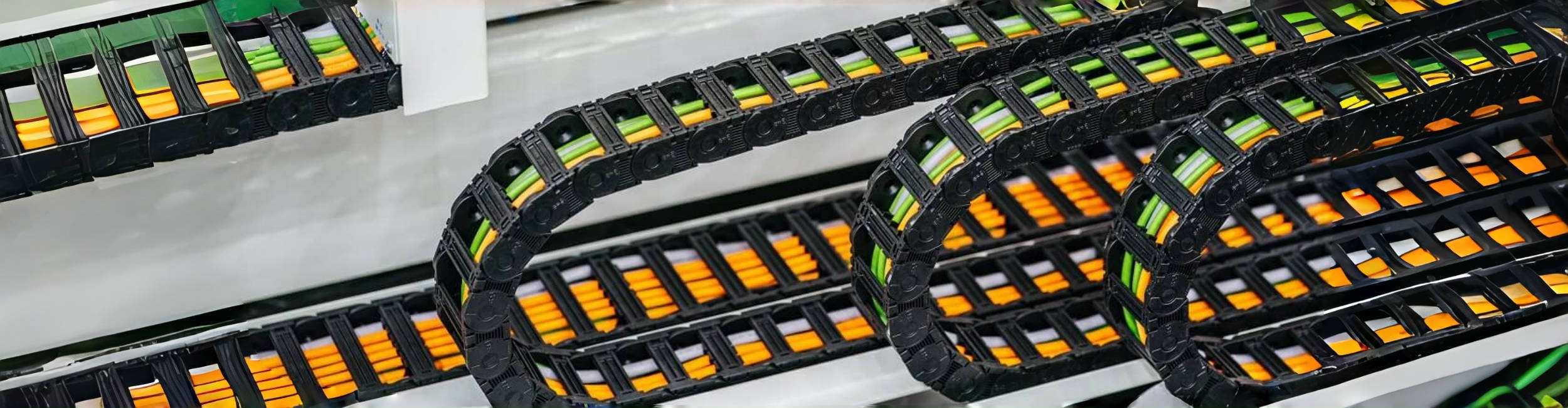
Understanding Cable Drag Chains: Essential Components for Manufacturing Machinery
--- Cable drag chains, also known as cable carriers or energy chains, play a vital role in the operation of various manufacturing machines, particularly in machine tools. These components are designed to manage and protect power and control cables, hoses, and other flexible connections that are essential for machinery operation. The primary function of a cable drag chain is to provide a systematic
2026-07-06
Cable drag chains, also known as cable carriers or energy chains, play a vital role in the operation of various manufacturing machines, particularly in machine tools. These components are designed to manage and protect power and control cables, hoses, and other flexible connections that are essential for machinery operation. The primary function of a cable drag chain is to provide a systematic way to guide and support these cables as they move with the machine’s moving parts.
One of the significant benefits of using cable drag chains is the reduction of wear and tear on cables and hoses. By keeping them organized and secured, drag chains help prevent tangling, excessive bending, and abrasion that can lead to costly downtime and repairs. This organization not only promotes longer lifespan and reliability of the cables but also enhances overall machine efficiency.
When selecting a cable drag chain for your machine tool, several factors should be considered. The first is the size and design of the drag chain. It is crucial to choose a chain that accommodates the dimensions and quantity of cables or hoses you plan to use. Additionally, the internal height and width must allow for smooth movement without excess friction or binding.
Another important consideration is the material of the cable drag chain. They can be made from various materials, including plastic, steel, or hybrid compositions. Each material offers different benefits; for instance, plastic chains are often lighter and resistant to corrosion, while steel chains provide enhanced durability for heavy-duty applications.
Moreover, the installation of a cable drag chain should be carefully planned. Proper alignment is essential to ensure smooth operation. The drag chain should be mounted in such a way that it does not interfere with the machine’s movements, and it should allow for easy access for maintenance and replacement of cables when necessary.
Furthermore, the selection of a cable drag chain should also take into account the environmental conditions in which the machinery operates. Factors such as temperature, exposure to chemicals, and the presence of debris can impact the performance and longevity of the drag chain. It may be beneficial to consult with a professional to determine the most suitable options for your specific operational environment.
In conclusion, integrating a cable drag chain into your manufacturing machinery can significantly enhance the efficiency and reliability of your operations. By understanding the features, benefits, and considerations associated with cable drag chains, you can make informed decisions that will optimize the performance of your machine tools and reduce maintenance costs over time.
Related News

Maximizing Efficiency with Cable Drag Chains in Manufacturing
In the realm of manufacturing and machining, the need for organized, efficient, and safe cable management is paramount. This is where cable drag chains come into play. A cable drag chain is designed to house and protect cables, hoses, and other components, allowing for smooth, unhindered movement in machinery. With a variety of designs and configurations available, they cater to specific requireme
How to Troubleshoot Issues with Your Plastic Drag Chain Table of Contents Understanding Plastic Drag Chains Common Issues with Plastic Drag Chains Identifying the Symptoms of Drag Chain Failure Step-by-Step Troubleshooting Guide Preventative Maintenance Tips for Plastic Drag Chains When to Replace Your Drag Chain Best Practices for Installing Drag Chains Conclusion
Subscribe to
Get the latest information on company products


Contact
Add: 14-2,Liandong U Valley,Manufacturing Industrial Park,Tangxia Town,Pengjiang District,Jiangmen City Guangdong Province, China