Krius Intelligent Manufacturing (Jiangmen) Co., Ltd.

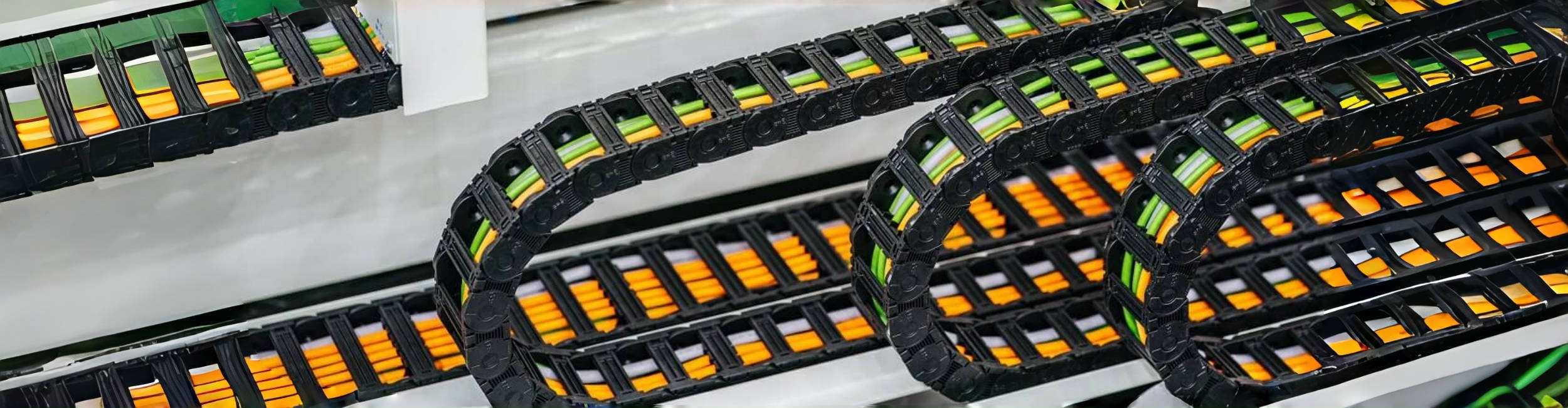
Heavy Duty Tow Chains: A Comprehensive Guide for Manufacturing Professionals
Heavy Duty Tow Chains: A Comprehensive Guide for Manufacturing Professionals In the manufacturing industry, efficiency and reliability are paramount. Heavy-duty tow chains play a crucial role in ensuring seamless operations, whether in transporting materials or securing heavy equipment. This comprehensive guide offers an in-depth look at heavy-duty tow chains, focusing on their features, applicati
2026-07-09
Heavy Duty Tow Chains: A Comprehensive Guide for Manufacturing Professionals
In the manufacturing industry, efficiency and reliability are paramount. Heavy-duty tow chains play a crucial role in ensuring seamless operations, whether in transporting materials or securing heavy equipment. This comprehensive guide offers an in-depth look at heavy-duty tow chains, focusing on their features, applications, and maintenance practices. We aim to provide manufacturing professionals with the knowledge they need to optimize their use of tow chains in various applications.
Table of Contents
- Understanding Heavy Duty Tow Chains
- Types of Heavy Duty Tow Chains
- Applications of Heavy Duty Tow Chains
- Benefits of Using Heavy Duty Tow Chains
- How to Select the Right Heavy Duty Tow Chain
- Maintenance and Care for Heavy Duty Tow Chains
- Common Issues and Solutions
- Frequently Asked Questions
Understanding Heavy Duty Tow Chains
Heavy-duty tow chains are robust, durable chains designed to pull or lift heavy loads. Made from high-strength materials, these chains can withstand significant stress, making them suitable for various industrial applications. They come in different sizes, lengths, and configurations, tailored to meet specific operational requirements. Understanding the core components and functionalities of these chains is essential for effective usage in manufacturing environments.
Key Components of Heavy Duty Tow Chains
The primary components of heavy-duty tow chains include:
- Links: The interconnecting pieces that form the chain. They come in various shapes and sizes, depending on the intended application.
- Hooks: Attachments that allow chains to connect securely to loads or other equipment.
- Finish: The surface treatment that enhances durability and resistance to wear and corrosion.
Types of Heavy Duty Tow Chains
Understanding the different types of heavy-duty tow chains can help manufacturing professionals choose the most suitable option for their needs. Here are the most common types:
1. Grade 30 Chains
Grade 30 chains are made of low-carbon steel and are suitable for light to moderate lifting tasks. While not as strong as higher-grade chains, they are cost-effective and easy to handle.
2. Grade 43 Chains
Grade 43 chains are made from high-strength steel, providing greater durability and resistance to wear. They are ideal for medium-duty applications, such as towing vehicles or securing loads in transport.
3. Grade 70 Chains
Grade 70 chains are specifically designed for heavy-duty applications. Made from transport-grade steel, they offer high tensile strength and are commonly used in commercial towing and logging industries.
4. Alloy Chains
These chains are crafted from alloy steel, providing superior strength and durability. They are often used in environments where heavy loads must be lifted or moved, such as construction sites.
5. Stainless Steel Chains
Stainless steel chains resist corrosion, making them ideal for applications in humid or corrosive environments. They are commonly employed in food processing and marine industries.
Applications of Heavy Duty Tow Chains
Heavy-duty tow chains find applications in various industries, each with its unique requirements. Here are some prevalent uses:
1. Manufacturing and Fabrication
In manufacturing, tow chains assist in the movement of raw materials and finished products within the facility. They play a vital role in assembly lines and loading docks.
2. Transportation and Logistics
In the logistics sector, heavy-duty tow chains secure loads during transport, ensuring safety and preventing cargo shifts that could lead to accidents.
3. Construction
Construction sites rely on tow chains to lift and move heavy equipment, materials, and machinery. Their strength and reliability are crucial for safe operations.
4. Automotive Industry
In automotive manufacturing, tow chains are used for lifting vehicles during assembly and transport to ensure safety and efficiency.
Benefits of Using Heavy Duty Tow Chains
Integrating heavy-duty tow chains into your operations brings several advantages:
1. Enhanced Durability
Heavy-duty tow chains are built to last, withstanding significant wear and tear. This durability translates to lower replacement costs over time.
2. Safety
Using high-quality tow chains enhances safety in the workplace. They minimize the risk of load failure, protecting workers and equipment.
3. Versatility
Heavy-duty tow chains are versatile, suitable for various applications, from lifting to securing heavy loads. This adaptability makes them valuable assets in different sectors.
4. Improved Efficiency
With heavy-duty tow chains, transporting and lifting heavy materials becomes more efficient, ultimately saving time and improving productivity on the shop floor.
How to Select the Right Heavy Duty Tow Chain
Selecting the correct heavy-duty tow chain requires careful consideration of several factors:
1. Load Capacity
Determine the maximum weight the chain will need to support. Choose a chain with a load capacity exceeding the maximum weight to ensure safety and reliability.
2. Chain Material
Select the appropriate material based on your working environment. For example, choose stainless steel for corrosive conditions and alloy chains for heavy lifting.
3. Length and Size
Consider the length and size of the chain needed for your specific application. Custom lengths may be available for unique requirements.
4. Compliance with Standards
Ensure that the chains comply with industry safety standards, which can vary by sector and location.
Maintenance and Care for Heavy Duty Tow Chains
Proper maintenance of heavy-duty tow chains is vital to ensure their longevity and performance. Here are some best practices:
1. Regular Inspections
Conduct regular inspections for wear, damage, and signs of corrosion. This proactive approach helps identify issues before they lead to failures.
2. Lubrication
Lubricate the chains regularly to minimize friction and prevent wear. Use appropriate lubricants recommended by the manufacturer.
3. Cleaning
Clean the chains periodically to remove dirt, grime, and debris that could affect their performance. Use non-corrosive cleaning agents for best results.
4. Proper Storage
Store tow chains in a dry, clean environment when not in use. Avoid exposure to corrosive elements that could lead to deterioration.
Common Issues and Solutions
Understanding common issues associated with heavy-duty tow chains can help manufacturers address potential problems effectively. Here are some typical concerns:
1. Chain Wear
Chains may experience wear over time, impacting their load capacity. Regular inspections can detect wear early, allowing for timely replacement.
2. Rust and Corrosion
Chains exposed to moisture can develop rust. Ensure proper cleaning and lubrication to prevent corrosion.
3. Breakage
Chain breakage can occur due to overloading or improper usage. Always adhere to the specified load capacities and guidelines to avoid this issue.
Frequently Asked Questions
1. What is the weight capacity of heavy-duty tow chains?
The weight capacity of heavy-duty tow chains varies by grade and material. Always check the manufacturer's specifications for exact details.
2. How often should I inspect my tow chains?
It is recommended to inspect tow chains regularly, particularly before each use, to ensure they remain safe and functional.
3. Can I use a tow chain for lifting?
Yes, heavy-duty tow chains can be used for lifting, provided they are rated for the specific load and application.
4. How do I maintain my heavy-duty tow chains?
Regular inspections, cleaning, lubrication, and proper storage are essential for maintaining heavy-duty tow chains.
5. Are there any safety standards for heavy-duty tow chains?
Yes, various industry standards govern the use of heavy-duty tow chains. Always ensure compliance with relevant safety regulations in your area.
Conclusion
Heavy-duty tow chains are indispensable tools in the manufacturing and industrial sectors, providing the strength and reliability necessary for safe and efficient operations. By understanding the types of tow chains, their applications, and best practices for maintenance, manufacturing professionals can optimize their usage and ensure their facilities run smoothly. Making informed choices about heavy-duty tow chains will not only enhance productivity but also contribute to a safer working environment.
Related News

Maximizing Efficiency with Cable Drag Chains in Manufacturing
In the realm of manufacturing and machining, the need for organized, efficient, and safe cable management is paramount. This is where cable drag chains come into play. A cable drag chain is designed to house and protect cables, hoses, and other components, allowing for smooth, unhindered movement in machinery. With a variety of designs and configurations available, they cater to specific requireme
How to Troubleshoot Issues with Your Plastic Drag Chain Table of Contents Understanding Plastic Drag Chains Common Issues with Plastic Drag Chains Identifying the Symptoms of Drag Chain Failure Step-by-Step Troubleshooting Guide Preventative Maintenance Tips for Plastic Drag Chains When to Replace Your Drag Chain Best Practices for Installing Drag Chains Conclusion
Subscribe to
Get the latest information on company products


Contact
Add: 14-2,Liandong U Valley,Manufacturing Industrial Park,Tangxia Town,Pengjiang District,Jiangmen City Guangdong Province, China