Krius Intelligent Manufacturing (Jiangmen) Co., Ltd.

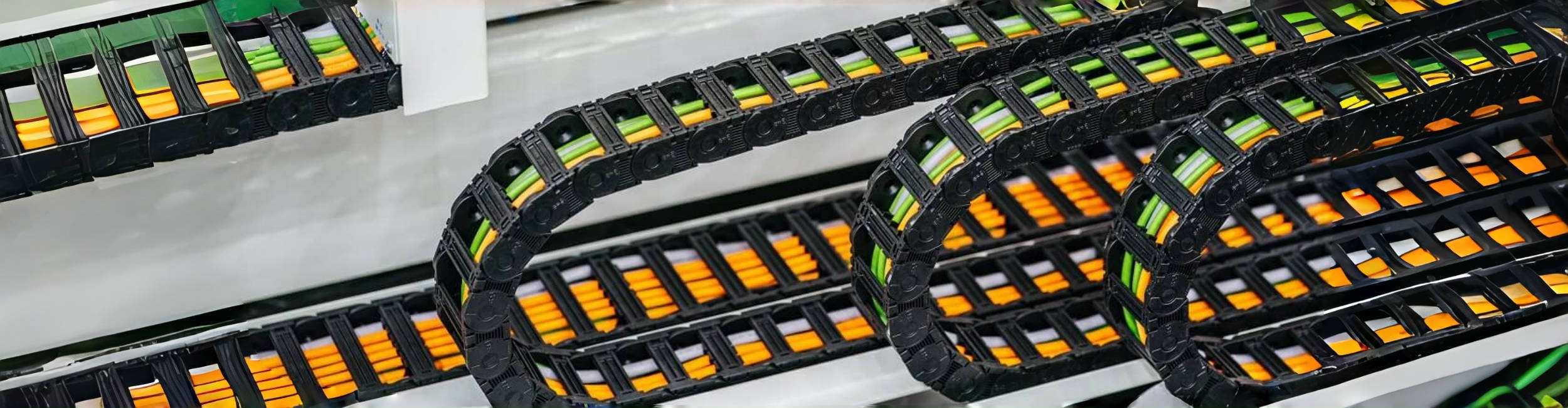
The Science Behind Plastic Drag Chain Manufacturing: An Insider’s View
The Science Behind Plastic Drag Chain Manufacturing: An Insider’s View Table of Contents 1. Introduction to Plastic Drag Chains 2. What Are Plastic Drag Chains? 3. The Manufacturing Process of Plastic Drag Chains 3.1 Material Selection for Optimal Performance 3.2 Injection Molding Techniques 3.3 Quality Control Measures 4. Appl
2026-07-03
The Science Behind Plastic Drag Chain Manufacturing: An Insider’s View
Table of Contents
- 1. Introduction to Plastic Drag Chains
- 2. What Are Plastic Drag Chains?
- 3. The Manufacturing Process of Plastic Drag Chains
- 3.1 Material Selection for Optimal Performance
- 3.2 Injection Molding Techniques
- 3.3 Quality Control Measures
- 4. Applications and Benefits of Plastic Drag Chains
- 5. Innovations in Drag Chain Technology
- 6. Challenges in Drag Chain Manufacturing
- 7. Future Trends in Plastic Drag Chain Manufacturing
- 8. Conclusion
- 9. Frequently Asked Questions (FAQs)
1. Introduction to Plastic Drag Chains
Plastic drag chains, also known as energy chains, are crucial components in various industrial applications. They facilitate the unhindered movement of cables and hoses, protecting them from wear and tear while ensuring that they remain organized. In this article, we delve deep into the science of plastic drag chain manufacturing, offering insights from material selection to production techniques.
2. What Are Plastic Drag Chains?
Plastic drag chains are engineered structures designed to manage the movement of cables and hoses in dynamic applications. These chains are composed of linked plastic segments that are flexible, lightweight, and resistant to various environmental conditions. Their primary role is to minimize friction and prevent damage to cables during continuous motion, making them an essential feature in machines such as CNC machines, robotics, and conveyor systems.
3. The Manufacturing Process of Plastic Drag Chains
The manufacturing of plastic drag chains is a multi-step process that requires precision, expertise, and attention to detail. This section outlines the key stages involved in bringing these components to life.
3.1 Material Selection for Optimal Performance
Choosing the right materials is paramount in drag chain manufacturing. The most commonly used materials include:
- **Polyamide (Nylon)**: Known for its strength and flexibility, polyamide is often used due to its excellent fatigue resistance.
- **Polypropylene**: This lightweight option offers good chemical resistance and is suitable for applications where weight is a concern.
- **Polyethylene**: This material is utilized for its low friction properties, ensuring smooth movement of cables.
Each material has unique properties that affect the drag chain's performance, durability, and application suitability.
3.2 Injection Molding Techniques
Injection molding is the primary manufacturing technique used for producing plastic drag chains. This process involves:
1. **Heating the Material**: Plastic granules are heated until they melt into a viscous state.
2. **Injecting into Molds**: The molten plastic is injected into specially designed molds that shape the individual chain links.
3. **Cooling and Solidifying**: Once injected, the material is cooled, allowing it to solidify and take its final shape.
4. **Ejecting from Molds**: Once cooled, the finished links are ejected from the molds and prepared for assembly.
This efficient manufacturing method allows for high-volume production while maintaining strict tolerances.
3.3 Quality Control Measures
Quality control is critical in drag chain manufacturing to ensure that the final products meet industry standards and customer expectations. Key measures include:
- **Dimensional Inspection**: Ensuring that each link conforms to specified dimensions.
- **Material Testing**: Conducting tests to verify the strength and durability of the chosen materials.
- **Operational Testing**: Simulating real-world conditions to assess the performance of the completed drag chains.
These quality control processes help in minimizing defects and enhancing product reliability.
4. Applications and Benefits of Plastic Drag Chains
Plastic drag chains are employed across various industries due to their versatility and effectiveness. Common applications include:
- **CNC Machinery**: Managing cables and hoses in precision machining environments.
- **Robotics**: Facilitating the movement of power and control cables in robotic arms.
- **Automated Manufacturing**: Organizing cables in conveyor systems and assembly lines.
The benefits of using plastic drag chains include:
- **Enhanced Durability**: Resistant to wear and tear, which prolongs the lifespan of cables.
- **Improved Organization**: Keeps cables neatly arranged, reducing the risk of tangles or damage.
- **Increased Safety**: Minimizes hazards associated with loose cables in industrial settings.
5. Innovations in Drag Chain Technology
The drag chain industry is continually evolving, driven by technological advancements and changing market demands. Recent innovations include:
- **Smart Drag Chains**: Integration of sensors that monitor cable conditions and provide alerts for potential wear.
- **Eco-friendly Materials**: Development of biodegradable plastics to lessen environmental impact.
- **Modular Designs**: Allowing for easy customization and replacement of individual links.
These innovations enhance the performance and sustainability of drag chains, ensuring they meet modern industrial needs.
6. Challenges in Drag Chain Manufacturing
Despite the advances in technology, manufacturers face several challenges in producing high-quality plastic drag chains:
- **Cost of Raw Materials**: Fluctuations in material prices can impact production costs.
- **Technological Integration**: Adapting to new technologies can require significant investment and training.
- **Competition**: The rise of global competitors can pressure manufacturers to innovate and reduce costs.
Addressing these challenges is vital for maintaining competitiveness and meeting customer demands.
7. Future Trends in Plastic Drag Chain Manufacturing
As industries continue to evolve, the future of plastic drag chain manufacturing looks promising. Key trends to watch include:
- **Increased Automation**: More manufacturers are adopting automation in the production process to enhance efficiency.
- **Customization**: Growing demand for tailored solutions to meet specific industry requirements.
- **Sustainability Focus**: A shift towards sustainable manufacturing practices and materials to meet environmental standards.
These trends indicate a dynamic future for drag chain technology, with opportunities for growth and enhanced innovation.
8. Conclusion
The science behind plastic drag chain manufacturing is a fascinating interplay of materials, technology, and engineering. Understanding the intricacies of the manufacturing process, the applications, and the innovations shaping the industry provides valuable insights for professionals and enthusiasts alike. As we move forward, the focus on sustainability, automation, and customization will undoubtedly drive the evolution of plastic drag chains, ensuring their continued relevance and effectiveness in a rapidly advancing industrial landscape.
9. Frequently Asked Questions (FAQs)
1. What is the primary purpose of plastic drag chains?
Plastic drag chains are designed to manage the movement of cables and hoses in dynamic applications, protecting them from wear and maintaining organization.
2. What materials are commonly used in plastic drag chain manufacturing?
The most common materials include polyamide, polypropylene, and polyethylene, each offering unique properties that cater to different applications.
3. How are plastic drag chains produced?
Plastic drag chains are primarily produced through an injection molding process where molten plastic is injected into molds to create individual links.
4. What are some common applications of plastic drag chains?
Plastic drag chains are used in CNC machinery, robotics, and automated manufacturing systems to manage cables and hoses.
5. What challenges do manufacturers face in producing plastic drag chains?
Challenges include rising raw material costs, the need for technological integration, and increasing competition in the market.
This article provides a thorough exploration of plastic drag chain manufacturing, highlighting its significance, innovations, and future trends, making it a valuable resource for anyone interested in this essential industrial component.
Related News

Maximizing Efficiency with Cable Drag Chains in Manufacturing
In the realm of manufacturing and machining, the need for organized, efficient, and safe cable management is paramount. This is where cable drag chains come into play. A cable drag chain is designed to house and protect cables, hoses, and other components, allowing for smooth, unhindered movement in machinery. With a variety of designs and configurations available, they cater to specific requireme
How to Troubleshoot Issues with Your Plastic Drag Chain Table of Contents Understanding Plastic Drag Chains Common Issues with Plastic Drag Chains Identifying the Symptoms of Drag Chain Failure Step-by-Step Troubleshooting Guide Preventative Maintenance Tips for Plastic Drag Chains When to Replace Your Drag Chain Best Practices for Installing Drag Chains Conclusion
Subscribe to
Get the latest information on company products


Contact
Add: 14-2,Liandong U Valley,Manufacturing Industrial Park,Tangxia Town,Pengjiang District,Jiangmen City Guangdong Province, China