Krius Intelligent Manufacturing (Jiangmen) Co., Ltd.

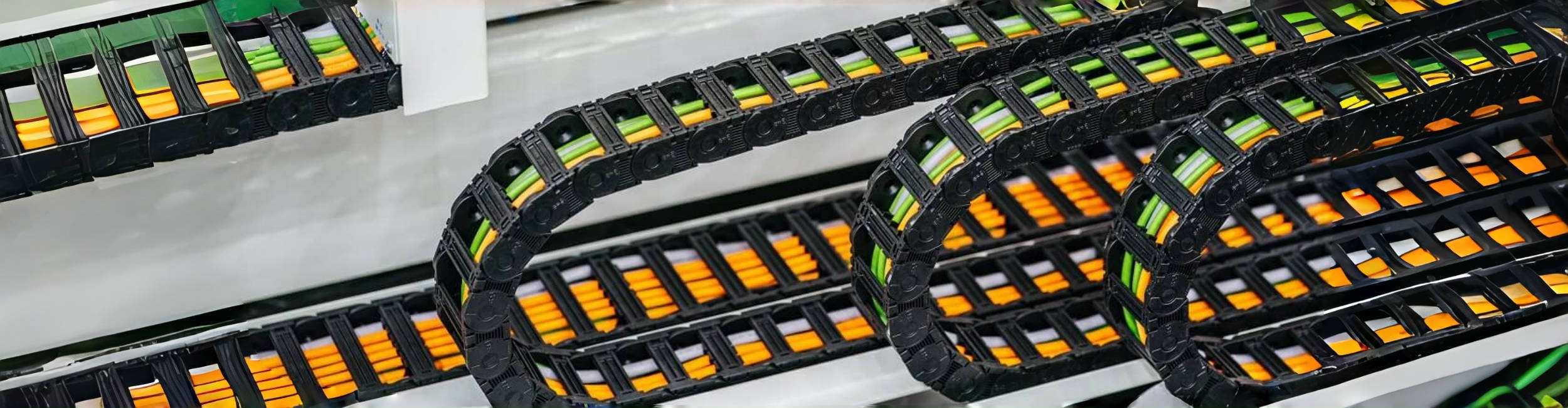
Understanding Cable Drag Chains: Essential Components for Efficient Machinery Operation
Cable drag chains, also known as energy chains, play a vital role in the manufacturing and machining industry, particularly in the operation of machine tools and various automated systems. These chains are designed to manage and protect flexible cables and hoses as they move with the machinery, ensuring safety, efficiency, and longevity of the components involved. One of the primary functions of a
2026-06-18
One of the primary functions of a cable drag chain is to provide a structured pathway for cables and hoses. In environments where machinery operates with significant movement, cables can easily become tangled or damaged if left unsecured. By utilizing cable drag chains, businesses can minimize wear and tear, reduce downtime, and enhance overall productivity. These chains come in various sizes and designs to accommodate different types of cables and hoses, making them versatile enough to fit various applications.
Another significant benefit of cable drag chains is their ability to streamline the maintenance process. By encasing cables and hoses, they protect these components from environmental hazards such as dust, debris, and moisture. This protective feature can significantly extend the lifespan of the cables and reduce maintenance costs over time. For manufacturers, this means less frequency in replacements and repairs, allowing for smoother operational flows.
When considering the implementation of cable drag chains, it is essential to choose the right size and configuration specific to the equipment and the operational environment. Factors such as cable diameter, bending radius, and the overall length of travel need to be assessed. Properly sized cables and chains will ensure efficient movement without excessive strain, which can lead to premature wear or failure.
Additionally, understanding the material composition of cable drag chains is critical. Options range from plastic to metal, each offering unique advantages depending on the application. For example, plastic drag chains are lightweight and resistant to corrosion, making them ideal for indoor environments. In contrast, metal drag chains may be better suited for harsher conditions due to their durability.
In conclusion, cable drag chains are indispensable for anyone involved in the manufacturing and machining of machine tools. By ensuring the proper selection and implementation of these chains, companies can enhance operational efficiency, reduce maintenance costs, and prolong the lifespan of their machinery. Ultimately, investing time and resources in understanding and utilizing cable drag chains can lead to significant operational improvements and cost savings, making them a smart choice for industry professionals.
Related News

Maximizing Efficiency with Cable Drag Chains in Manufacturing
In the realm of manufacturing and machining, the need for organized, efficient, and safe cable management is paramount. This is where cable drag chains come into play. A cable drag chain is designed to house and protect cables, hoses, and other components, allowing for smooth, unhindered movement in machinery. With a variety of designs and configurations available, they cater to specific requireme
How to Troubleshoot Issues with Your Plastic Drag Chain Table of Contents Understanding Plastic Drag Chains Common Issues with Plastic Drag Chains Identifying the Symptoms of Drag Chain Failure Step-by-Step Troubleshooting Guide Preventative Maintenance Tips for Plastic Drag Chains When to Replace Your Drag Chain Best Practices for Installing Drag Chains Conclusion
Subscribe to
Get the latest information on company products


Contact
Add: 14-2,Liandong U Valley,Manufacturing Industrial Park,Tangxia Town,Pengjiang District,Jiangmen City Guangdong Province, China