Krius Intelligent Manufacturing (Jiangmen) Co., Ltd.

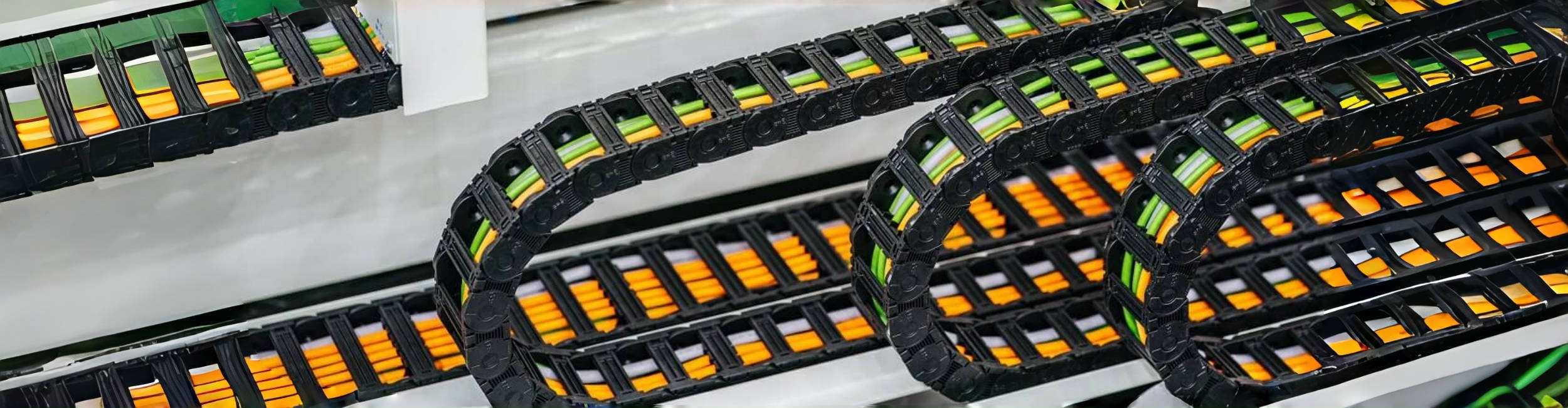
Maximizing Efficiency: Choosing the Right Heavy Duty Tow Chain for Your Equipment
Maximizing Efficiency: Choosing the Right Heavy Duty Tow Chain for Your Equipment Table of Contents 1. Introduction 2. Understanding Heavy Duty Tow Chains 3. Types of Heavy Duty Tow Chains 4. Key Factors in Choosing a Tow Chain 5. Maintenance and Care of Tow Chains 6. Applications of Heavy Duty Tow Chains 7. Safety Considerations When Using Tow Chains 8. Frequently
2026-06-21
Maximizing Efficiency: Choosing the Right Heavy Duty Tow Chain for Your Equipment
Table of Contents
- 1. Introduction
- 2. Understanding Heavy Duty Tow Chains
- 3. Types of Heavy Duty Tow Chains
- 4. Key Factors in Choosing a Tow Chain
- 5. Maintenance and Care of Tow Chains
- 6. Applications of Heavy Duty Tow Chains
- 7. Safety Considerations When Using Tow Chains
- 8. Frequently Asked Questions
- 9. Conclusion
1. Introduction
In the world of manufacturing and equipment handling, **efficiency** is a crucial aspect that directly impacts productivity and operational costs. One of the often-overlooked components that can significantly influence efficiency is the **heavy-duty tow chain**. Selecting the right tow chain not only ensures safe transportation of materials but also enhances the overall performance of your machinery. In this article, we will delve into the various aspects of heavy-duty tow chains and guide you toward making an informed decision that maximizes efficiency.
2. Understanding Heavy Duty Tow Chains
Heavy-duty tow chains are designed to withstand significant loads and stress, making them ideal for various industrial applications. These chains are made from high-tensile strength materials and are specifically engineered to perform reliably under heavy loads. Understanding the construction, material, and features of these chains is essential for choosing one that meets your specific requirements.
The Importance of Material
The material used in the construction of a tow chain plays a crucial role in its strength and durability. Common materials include:
- **Alloy Steel**: Known for its high tensile strength, alloy steel chains are ideal for heavy-duty applications.
- **Stainless Steel**: Resistant to corrosion, stainless steel chains are perfect for environments exposed to moisture and chemicals.
- **Carbon Steel**: Offers a balance between strength and affordability, making it suitable for various applications.
Chain Construction and Design
The design and construction of a tow chain determine its load capacity and usability. Key design features include:
- **Link Shape**: The shape of the links affects how the chain interacts with loads and pulleys.
- **Weld Quality**: High-quality welds ensure that the chain can withstand maximum loads without failing.
- **Coating**: Protective coatings can enhance corrosion resistance and extend the life of the chain.
3. Types of Heavy Duty Tow Chains
When selecting a heavy-duty tow chain, it’s essential to understand the different types available and their respective applications. Below are some common types of tow chains:
Standard Tow Chains
Standard tow chains are versatile and can be used in a variety of applications. They are generally made from high-strength steel and are ideal for towing vehicles and equipment.
Twisted Link Chains
Twisted link chains are designed for optimal load distribution and minimal wear. Their unique shape helps reduce friction, making them suitable for heavy-duty applications.
Grade 70 Chains
Grade 70 chains are specifically engineered for heavy-duty towing and are often used in transportation and logistics industries. They are known for their exceptional strength and durability.
Grade 80 Chains
Grade 80 chains are designed for lifting applications and have a higher tensile strength compared to Grade 70 chains. They are often used in construction and heavy machinery.
Grade 100 Chains
Grade 100 chains are the strongest among the common grades and are used in extreme applications, such as lifting heavy loads. Their robust construction makes them suitable for industrial use.
4. Key Factors in Choosing a Tow Chain
Selecting the right heavy-duty tow chain requires careful consideration of several factors. Below are the critical elements to keep in mind:
Load Capacity
Understanding the load capacity is fundamental. Always choose a chain that exceeds your maximum expected load to ensure safety and reliability.
Chain Length
The length of the tow chain is essential for ensuring that it can accommodate the specific towing or lifting requirements of your equipment. Measure the necessary length before making a purchase.
Environment of Use
Consider the environment where the chain will be used. If your operations involve exposure to moisture or chemicals, it’s advisable to select chains made from rust-resistant materials.
Connection Type
Look for chains that offer various connection methods, such as hooks or links, to ensure versatility and ease of use.
Price vs. Quality
While it may be tempting to opt for cheaper options, investing in a high-quality heavy-duty tow chain will pay off in the long run through enhanced durability and performance.
5. Maintenance and Care of Tow Chains
Proper maintenance is vital for extending the life of your tow chains. Here are some helpful tips for keeping your chains in top condition:
Regular Inspection
Conduct regular inspections for signs of wear, corrosion, or damage. Early detection of issues can prevent failures during operation.
Cleaning
Keep your chains clean by removing dirt, grease, and debris. Utilize a soft brush and appropriate cleaning agents to maintain the chain's integrity.
Lubrication
Lubricate the chains regularly to reduce friction and wear. Use high-quality lubricants designed for heavy-duty chains.
Proper Storage
When not in use, store your chains in a dry, cool place to prevent rust and damage. Avoid placing heavy items on top of them during storage.
6. Applications of Heavy Duty Tow Chains
Heavy-duty tow chains find applications in various industries, including:
Transportation and Logistics
Tow chains are commonly used in the transportation sector for securing loads on trailers and flatbeds, ensuring they remain safe during transit.
Construction
In construction sites, tow chains are utilized for lifting heavy equipment and materials, making them indispensable for cranes and hoists.
Agriculture
Farm equipment often requires heavy-duty chains for towing trailers and other machinery across fields.
Mining and Heavy Industry
In these sectors, heavy-duty tow chains are crucial for transporting equipment and materials, ensuring operational efficiency.
7. Safety Considerations When Using Tow Chains
Safety should always be a priority when using heavy-duty tow chains. Here are some essential safety precautions:
Follow Manufacturer Guidelines
Always adhere to the manufacturer's specifications regarding load limits and usage instructions to ensure safety.
Inspect Before Use
Conduct a thorough inspection before each use to identify any signs of wear or damage that could lead to failure.
Use Personal Protective Equipment (PPE)
When handling heavy-duty chains, wear appropriate PPE, including gloves and safety glasses, to protect against injuries.
Training and Awareness
Ensure that all personnel involved in the use of tow chains are adequately trained in safe handling techniques and aware of potential hazards.
8. Frequently Asked Questions
What is the maximum load capacity for heavy-duty tow chains?
The maximum load capacity varies based on the chain grade and material. It's crucial to select a chain designed for the specific load requirements of your application.
How do I determine the correct chain length for my needs?
Measure the distance between the towing and the towed equipment, ensuring you account for any potential slack needed for safe operation.
Are heavy-duty tow chains suitable for outdoor use?
Yes, many heavy-duty tow chains are designed for outdoor use, but you should select those made from rust-resistant materials if exposed to harsh weather conditions.
How often should I inspect my tow chains?
Regular inspections are recommended before each use, with thorough assessments conducted regularly based on the frequency of use.
Can I use a heavy-duty tow chain for lifting?
Not all tow chains are suitable for lifting. Ensure the chain is rated for lifting applications, typically those classified as Grade 80 or Grade 100.
9. Conclusion
Choosing the right heavy-duty tow chain is essential for maximizing the efficiency and safety of your equipment operations. By understanding the different types available, considering key factors in selection, and implementing proper maintenance practices, you can ensure that your tow chains provide reliable performance over time. With this comprehensive guide, you are better equipped to make informed decisions and enhance your operational efficiency. Prioritize safety, invest in quality, and watch your productivity soar.
PREVIOUS:
Related News

Maximizing Efficiency: Choosing the Right Heavy Duty Tow Chain for Your Equipment
Maximizing Efficiency: Choosing the Right Heavy Duty Tow Chain for Your Equipment Table of Contents 1. Introduction 2. Understanding Heavy Duty Tow Chains 3. Types of Heavy Duty Tow Chains 4. Key Factors in Choosing a Tow Chain 5. Maintenance and Care of Tow Chains 6. Applications of Heavy Duty Tow Chains 7. Safety Considerations When Using Tow Chains 8. Frequently
Understanding Cable Drag Chains: Essential Components for Efficient Machinery Operation
Cable drag chains, also known as energy chains, play a vital role in the manufacturing and machining industry, particularly in the operation of machine tools and various automated systems. These chains are designed to manage and protect flexible cables and hoses as they move with the machinery, ensuring safety, efficiency, and longevity of the components involved. One of the primary functions of a
Subscribe to
Get the latest information on company products


Contact
Add: 14-2,Liandong U Valley,Manufacturing Industrial Park,Tangxia Town,Pengjiang District,Jiangmen City Guangdong Province, China