Krius Intelligent Manufacturing (Jiangmen) Co., Ltd.

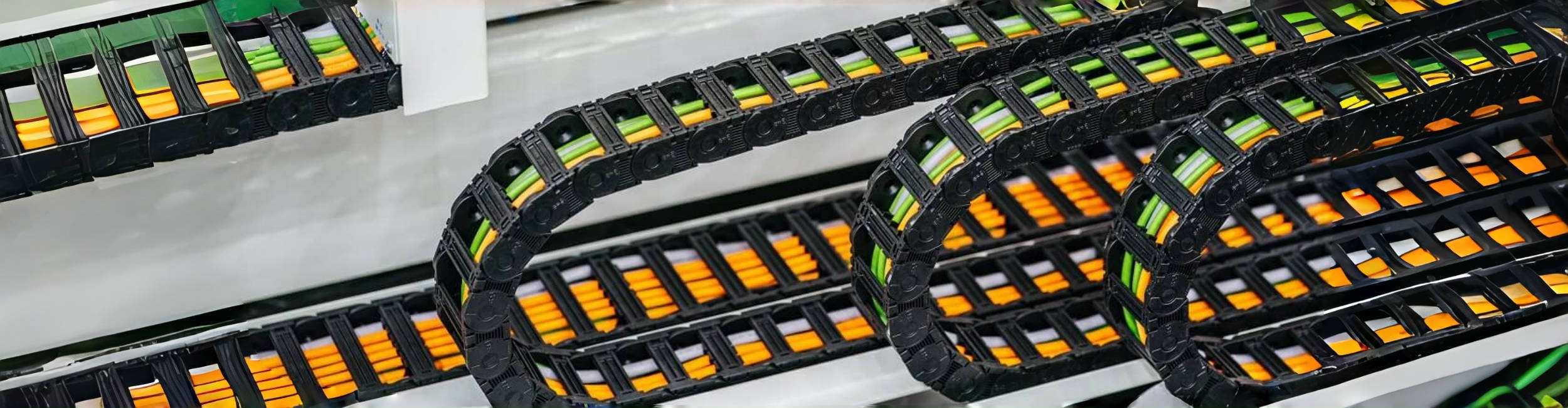
Exploring the Durability of Plastic Drag Chains in Harsh Conditions
Exploring the Durability of Plastic Drag Chains in Harsh Conditions Table of Contents Understanding Drag Chains: A Comprehensive Overview The Material Science of Plastic Drag Chains Manufacturing Processes of Plastic Drag Chains Real-World Applications of Plastic Drag Chains Factors Affecting Durability in Harsh Conditions Testing the Durability of Plastic Drag Chains
2026-06-15
Exploring the Durability of Plastic Drag Chains in Harsh Conditions
Table of Contents
- Understanding Drag Chains: A Comprehensive Overview
- The Material Science of Plastic Drag Chains
- Manufacturing Processes of Plastic Drag Chains
- Real-World Applications of Plastic Drag Chains
- Factors Affecting Durability in Harsh Conditions
- Testing the Durability of Plastic Drag Chains
- Advantages of Using Plastic Drag Chains
- Frequently Asked Questions
- Conclusion
Understanding Drag Chains: A Comprehensive Overview
Plastic drag chains are essential components in various industrial applications, particularly in manufacturing and machinery. These chains are designed to guide and protect energy and data cables, hoses, and other flexible connections in moving parts of machinery. Unlike traditional metal chains, plastic drag chains offer several advantages, including reduced wear and tear, lower weight, and resistance to corrosion.
Drag chains are critical for maintaining the efficiency and safety of machinery, especially when operating in harsh environments. Understanding their construction and functionality is crucial for selecting the right type for your specific needs.
The Material Science of Plastic Drag Chains
The durability of plastic drag chains largely depends on the materials used in their production. Typically, high-density polyethylene (HDPE), polyamide (Nylon), and polybutylene terephthalate (PBT) are the primary materials utilized due to their exceptional mechanical properties.
High-Density Polyethylene (HDPE)
HDPE is widely favored for its toughness and resistance to impact and chemicals. It is lightweight yet robust, making it ideal for applications requiring high strength without the added weight of metal components.
Polyamide (Nylon)
Nylon offers superior elasticity and flexibility compared to other materials. It can withstand high temperatures and is resistant to abrasion, making it suitable for environments where friction is a concern.
Polybutylene Terephthalate (PBT)
PBT is known for its high strength and stiffness, excellent dimensional stability, and resistance to heat and chemicals. This makes PBT a preferred choice in applications that demand high performance under extreme conditions.
Manufacturing Processes of Plastic Drag Chains
The production of plastic drag chains involves several advanced manufacturing techniques to ensure the highest quality and performance. These processes include injection molding, extrusion, and assembly.
Injection Molding
Most plastic drag chains are produced using an injection molding process, where molten plastic is injected into a mold to create the desired shape. This method allows for precision and consistency in the manufacturing process.
Extrusion
In some cases, extrusion is employed to produce longer lengths of drag chains. This technique involves forcing heated plastic through a die to create continuous shapes that can then be cut to specific lengths.
Assembly
After the individual components are molded or extruded, they are assembled into complete drag chains. This assembly process ensures that all parts fit together perfectly, contributing to the overall durability and functionality of the final product.
Real-World Applications of Plastic Drag Chains
Plastic drag chains are utilized across various industries due to their versatility and reliability. Some notable applications include:
Manufacturing Equipment
In manufacturing environments, drag chains are crucial for managing cables and hoses in machinery, ensuring uninterrupted power and data flow.
Aerospace and Automotive
In the aerospace and automotive industries, plastic drag chains are used for managing cable harnesses in moving components, contributing to vehicle efficiency and safety.
Robotics
Robotic systems often employ drag chains to protect and guide wires and cables, facilitating smooth movement and operation.
Material Handling Systems
In material handling systems, drag chains support the routing of cables and hoses, supporting the movement of goods and machinery in warehouses and factories.
Factors Affecting Durability in Harsh Conditions
The performance of plastic drag chains can be influenced by several environmental factors, including:
Temperature Extremes
Plastic drag chains can perform well in a wide range of temperatures. However, prolonged exposure to extreme heat or cold can compromise their structural integrity.
Chemical Exposure
Certain chemicals can degrade the materials used in plastic drag chains, reducing their lifespan. It is essential to select materials that are resistant to the specific chemicals they will encounter.
Mechanical Stress
Mechanical stress from constant movement and vibration can wear down drag chains over time. Proper installation and regular maintenance can help mitigate this issue.
Testing the Durability of Plastic Drag Chains
To ensure that plastic drag chains can withstand harsh conditions, thorough testing is essential. Common testing methods include:
Static Load Testing
This involves applying a static load to the drag chain to assess its strength and resistance to deformation.
Dynamic Load Testing
Dynamic load testing simulates real-world movement and stress conditions, helping to evaluate how the drag chain performs under operational conditions.
Environmental Testing
Environmental testing exposes drag chains to extreme temperatures, humidity, and chemical environments to determine their durability and longevity.
Advantages of Using Plastic Drag Chains
Plastic drag chains offer numerous benefits over metal alternatives, including:
Weight Reduction
The lightweight nature of plastic drag chains contributes to overall machinery efficiency, reducing energy consumption and improving performance.
Corrosion Resistance
Unlike metal chains, plastic drag chains are highly resistant to corrosion, ensuring longevity and reduced maintenance costs.
Noise Reduction
Plastic chains operate more quietly than metal chains, making them ideal for environments where noise reduction is a priority.
Flexibility and Customization
Plastic drag chains can be easily customized to fit specific applications, allowing for greater flexibility in design and implementation.
Frequently Asked Questions
1. What is the lifespan of plastic drag chains?
The lifespan of plastic drag chains can vary based on factors such as material quality, environmental conditions, and usage patterns. Generally, they can last several years with proper maintenance.
2. Are plastic drag chains suitable for outdoor use?
Yes, many plastic drag chains are designed for outdoor use, provided they are made from UV-resistant materials to prevent degradation from sunlight exposure.
3. How do I choose the right plastic drag chain for my application?
Consider factors such as load capacity, environmental conditions, and compatibility with cables or hoses when selecting plastic drag chains for your application.
4. Can plastic drag chains be repaired if damaged?
In many cases, minor damage to plastic drag chains can be repaired. However, replacing the affected sections is often more effective for maintaining performance.
5. How often should I inspect my plastic drag chains?
Regular inspections are recommended, ideally every few months, to check for wear, damage, or other issues that could affect performance.
Conclusion
In summary, plastic drag chains provide an exceptional solution for guiding and protecting cables and hoses in various industrial applications. Their durability in harsh conditions, combined with their lightweight and corrosion-resistant properties, makes them a superior choice compared to traditional metal chains. By understanding the material science, manufacturing processes, and testing methods associated with plastic drag chains, users can make informed decisions that enhance the efficiency and longevity of their machinery. As industries continue to evolve, the demand for robust and reliable components like plastic drag chains will only increase.
Related News

Maximizing Efficiency with Cable Drag Chains in Manufacturing
In the realm of manufacturing and machining, the need for organized, efficient, and safe cable management is paramount. This is where cable drag chains come into play. A cable drag chain is designed to house and protect cables, hoses, and other components, allowing for smooth, unhindered movement in machinery. With a variety of designs and configurations available, they cater to specific requireme
How to Troubleshoot Issues with Your Plastic Drag Chain Table of Contents Understanding Plastic Drag Chains Common Issues with Plastic Drag Chains Identifying the Symptoms of Drag Chain Failure Step-by-Step Troubleshooting Guide Preventative Maintenance Tips for Plastic Drag Chains When to Replace Your Drag Chain Best Practices for Installing Drag Chains Conclusion
Subscribe to
Get the latest information on company products


Contact
Add: 14-2,Liandong U Valley,Manufacturing Industrial Park,Tangxia Town,Pengjiang District,Jiangmen City Guangdong Province, China