Krius Intelligent Manufacturing (Jiangmen) Co., Ltd.

Understanding Nylon Cable Drag Chains: Essential Components for Efficient Machinery
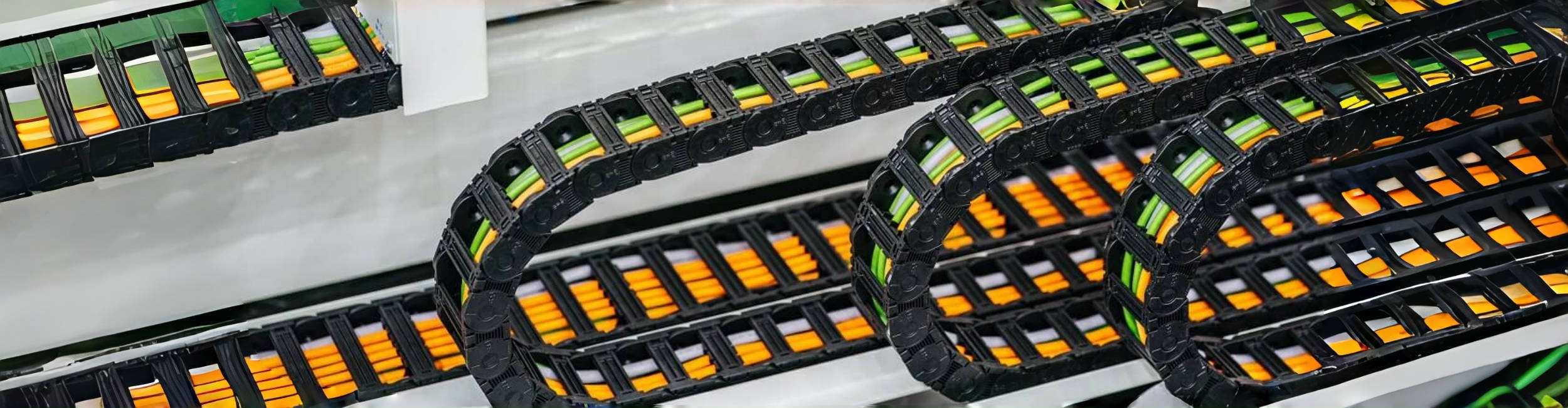
Nylon cable drag chains, often referred to as energy chains, play a crucial role in the operation of various machinery, especially in the manufacturing and machining sectors. These components are designed to manage and protect cables and hoses in moving applications, ensuring that they remain organized and free from wear and tear. The significance of using high-quality drag chains cannot be overst
2026-06-12
One of the primary advantages of nylon cable drag chains is their lightweight yet durable construction. Nylon, a type of synthetic polymer, provides excellent resistance to wear, impact, and chemical exposure. This makes nylon drag chains particularly suitable for environments where machinery operates under heavy loads or in harsh conditions. Additionally, the flexibility of nylon allows for easy installation and adjustment, making it a preferred choice for many manufacturers.
Another key benefit of nylon cable drag chains is their ability to reduce cable strain. In dynamic applications, cables and hoses can become tangled or damaged, leading to downtime and costly repairs. By using a drag chain, cables can be kept neatly arranged and securely guided, minimizing the risk of kinking or fraying. This not only enhances the lifespan of the cables but also improves the overall safety of the machinery, as properly managed cables are less likely to result in accidents or operational failures.
Nylon cable drag chains come in various sizes and configurations, allowing for customization based on specific machinery requirements. Manufacturers can choose from different chain widths and heights, as well as various link designs, to ensure optimal compatibility with their equipment. This versatility enables users to tailor the drag chain system to their unique operational needs, enhancing both performance and productivity.
Moreover, the maintenance of nylon cable drag chains is relatively straightforward. Regular inspections can help identify any signs of wear or damage, allowing for timely replacements or repairs. This proactive approach not only extends the life of the drag chain but also contributes to smoother operations and reduced maintenance costs over time.
In conclusion, nylon cable drag chains are vital for the efficient functioning of machinery in the manufacturing and machining industry. Their lightweight, durable design, coupled with the ability to manage and protect cables effectively, makes them an essential component for any operation looking to enhance productivity and safety. As industries continue to evolve, the importance of reliable and efficient accessories like nylon cable drag chains will only grow, making them a valuable investment for any manufacturer.
Related News

Maximizing Efficiency with Cable Drag Chains in Manufacturing
In the realm of manufacturing and machining, the need for organized, efficient, and safe cable management is paramount. This is where cable drag chains come into play. A cable drag chain is designed to house and protect cables, hoses, and other components, allowing for smooth, unhindered movement in machinery. With a variety of designs and configurations available, they cater to specific requireme
How to Troubleshoot Issues with Your Plastic Drag Chain Table of Contents Understanding Plastic Drag Chains Common Issues with Plastic Drag Chains Identifying the Symptoms of Drag Chain Failure Step-by-Step Troubleshooting Guide Preventative Maintenance Tips for Plastic Drag Chains When to Replace Your Drag Chain Best Practices for Installing Drag Chains Conclusion
Subscribe to
Get the latest information on company products


Contact
Add: 14-2,Liandong U Valley,Manufacturing Industrial Park,Tangxia Town,Pengjiang District,Jiangmen City Guangdong Province, China