Krius Intelligent Manufacturing (Jiangmen) Co., Ltd.

Exploring the Cost Benefits of Using Plastic Cable Drag Chains in Manufacturing
Exploring the Cost Benefits of Using Plastic Cable Drag Chains in Manufacturing Introduction to Plastic Cable Drag Chains Plastic cable drag chains, also known as energy chains, serve as vital components in various manufacturing processes. These chains are designed to guide and protect moving cables, hoses, and other flexible elements, ensuring smooth motion and operational efficiency. As industri
2026-06-09
Exploring the Cost Benefits of Using Plastic Cable Drag Chains in Manufacturing
Introduction to Plastic Cable Drag Chains
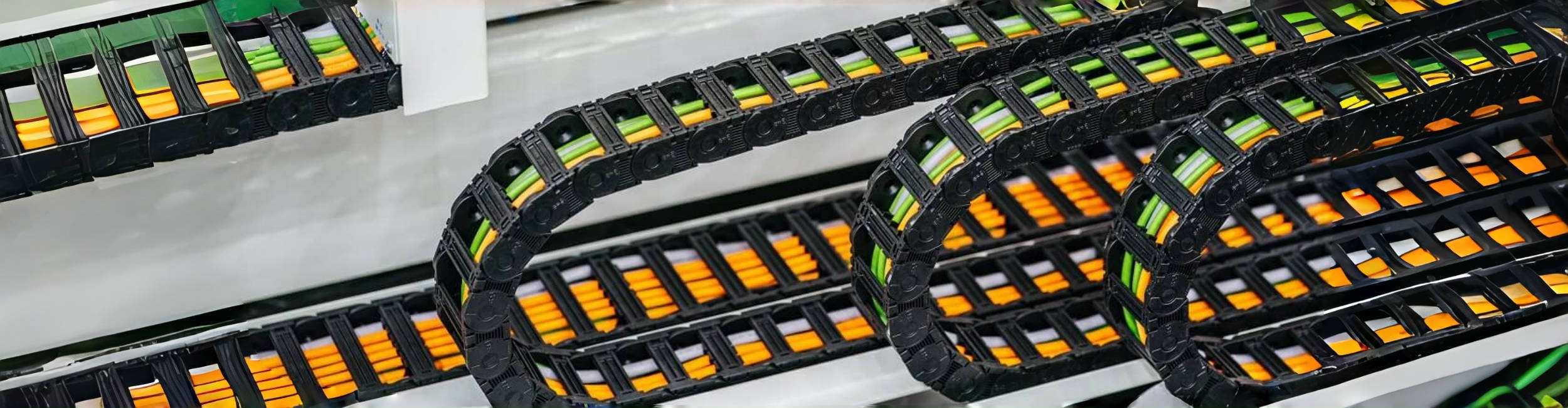
Plastic cable drag chains, also known as energy chains, serve as vital components in various manufacturing processes. These chains are designed to guide and protect moving cables, hoses, and other flexible elements, ensuring smooth motion and operational efficiency. As industries continuously evolve, the demand for innovative and cost-effective solutions has surged, leading to the widespread adoption of plastic cable drag chains.
This article explores the numerous **cost benefits** of using plastic cable drag chains in manufacturing. We will examine their construction, advantages, applications, and considerations for implementation, thereby providing a comprehensive understanding of their role in modern manufacturing environments.
Understanding the Construction of Plastic Cable Drag Chains
Plastic cable drag chains are intricately designed to cater to diverse industrial requirements. Typically manufactured from high-strength polymers, these chains are lightweight yet durable, making them ideal for demanding applications.
Materials Used in Drag Chains
The materials used in plastic cable drag chains are crucial to their performance. Common materials include:
- **Polyamide (Nylon)**: Offers excellent wear resistance and flexibility.
- **Polypropylene**: Known for its chemical resistance and lightweight properties.
- **Polyurethane**: Provides superior abrasion resistance and durability.
These materials contribute to the overall functionality and longevity of drag chains, ultimately affecting cost benefits.
Design Features of Plastic Drag Chains
Plastic drag chains come with various design features that enhance their usability:
- **Modular Design**: Allows for easy assembly and customization based on specific needs.
- **Bend Radius Options**: Different bend radii accommodate various applications, ensuring flexibility and efficiency.
- **Integrated Cable Management**: Reduces the risk of tangling and wear, promoting smoother operation.
These features not only facilitate effective cable management but also contribute to reducing maintenance costs and downtime.
Cost Benefits of Plastic Cable Drag Chains
Investing in plastic cable drag chains can yield significant cost benefits for manufacturers. Below, we delve into the key advantages that contribute to overall savings and enhanced operational efficiency.
1. Reduced Maintenance Costs
One of the primary advantages of using plastic cable drag chains is their low maintenance requirements. Unlike traditional metal chains that often require lubrication and frequent adjustments, plastic chains operate smoothly with minimal upkeep. This translates to lower labor costs and reduced downtime, enhancing productivity.
2. Lower Replacement Costs
The durability of plastic drag chains greatly reduces the frequency of replacements. Their resistance to wear and tear leads to longer life spans, which means less frequent purchases. Over time, this can lead to substantial savings, particularly in high-cycle environments.
3. Enhanced Energy Efficiency
Plastic cable drag chains are designed to minimize resistance and friction during operation. This improves energy efficiency in machinery, ultimately resulting in lower energy costs. Manufacturers can experience a significant reduction in their energy bills, contributing to overall cost savings.
4. Lightweight Construction
The lightweight nature of plastic drag chains reduces the overall weight of machinery, enabling faster movement and less strain on motors. This not only enhances the efficiency of the machinery but also leads to decreased energy consumption, resulting in further cost savings.
5. Versatility Across Applications
Plastic cable drag chains are suitable for a wide range of applications, from CNC machines to robotics. Their versatility allows manufacturers to standardize components across various machines, reducing inventory costs and simplifying maintenance.
Applications of Plastic Cable Drag Chains
Plastic cable drag chains find applications in various industries due to their adaptability and cost benefits.
CNC Machining
In CNC machining environments, plastic drag chains protect and manage the cables and hoses that facilitate movement. Their ability to handle high cycle rates while maintaining functionality makes them an ideal choice for CNC applications.
Robotics
The use of plastic drag chains in robotics is becoming increasingly common. They provide reliable management of cables in robotic arms and automated systems, ensuring that movements remain unhindered.
Automated Manufacturing Systems
In automated manufacturing systems, drag chains play a crucial role in maintaining organized cable management. This organization contributes to streamlined operations and reduced downtime, enhancing overall productivity.
Choosing the Right Plastic Cable Drag Chain
When selecting the appropriate plastic cable drag chain for your application, several factors should be considered:
1. Load Capacity
Understanding the load capacity of the drag chain is essential to ensure that it can handle the weight of the cables and hoses it will contain.
2. Environmental Conditions
Consider the operating environment, including temperature fluctuations, exposure to chemicals, and moisture levels. Different materials and designs may be required based on these conditions.
3. Bend Radius
The bend radius of the chain is critical for ensuring that cables are not damaged during movement. Selecting a chain with the appropriate bend radius will enhance longevity and performance.
4. Length and Configuration
Determine the required length and configuration of the drag chain to meet specific operational needs. Customizable options may be available to cater to unique setups.
Installation Best Practices for Plastic Cable Drag Chains
Proper installation of plastic cable drag chains is vital for maximizing their benefits. Follow these best practices to ensure optimal performance:
1. Plan Cable Layouts
Before installation, plan the layout of cables to minimize stress on the drag chain. This planning aids in preventing tangling and wear.
2. Secure Mounting
Ensure that the drag chain is securely mounted to prevent any movement or vibration that could lead to damage.
3. Regular Inspections
Conduct regular inspections to identify any signs of wear or damage. Early detection can prevent costly replacements and ensure smooth operation.
Environmental Benefits of Plastic Cable Drag Chains
Beyond cost savings, plastic cable drag chains also offer environmental advantages:
Sustainability and Recyclability
Many plastic drag chains are produced using recyclable materials, contributing to a reduction in waste. Opting for sustainable solutions not only benefits manufacturers economically but also aligns with corporate social responsibility goals.
Reduced Energy Consumption
As previously mentioned, the energy-efficient design of plastic drag chains leads to lower energy consumption. This reduction directly impacts the carbon footprint of manufacturing operations.
Conclusion
The adoption of plastic cable drag chains in manufacturing environments presents numerous cost benefits that can enhance operational efficiency and sustainability. Their lightweight construction, low maintenance requirements, and versatility across applications make them an ideal choice for modern manufacturing processes. By carefully selecting and implementing the right drag chains, manufacturers can achieve significant savings while contributing to environmentally friendly practices.
Frequently Asked Questions (FAQs)
1. What are plastic cable drag chains used for?
Plastic cable drag chains are used to guide and protect moving cables and hoses in various industrial applications, ensuring smooth operation and reducing wear.
2. How do plastic drag chains compare to metal chains?
Plastic drag chains are lighter, require less maintenance, and offer better resistance to wear and environmental factors compared to metal chains.
3. Can plastic cable drag chains be used in outdoor environments?
Yes, but it’s essential to select chains made from materials that can withstand environmental exposure, such as UV rays and moisture.
4. How do I choose the right size drag chain for my application?
Consider factors such as load capacity, bend radius, length, and environmental conditions when selecting the appropriate drag chain.
5. Are plastic cable drag chains recyclable?
Many plastic cable drag chains are made from recyclable materials, contributing to sustainable manufacturing practices.
Related News

Maximizing Efficiency with Cable Drag Chains in Manufacturing
In the realm of manufacturing and machining, the need for organized, efficient, and safe cable management is paramount. This is where cable drag chains come into play. A cable drag chain is designed to house and protect cables, hoses, and other components, allowing for smooth, unhindered movement in machinery. With a variety of designs and configurations available, they cater to specific requireme
How to Troubleshoot Issues with Your Plastic Drag Chain Table of Contents Understanding Plastic Drag Chains Common Issues with Plastic Drag Chains Identifying the Symptoms of Drag Chain Failure Step-by-Step Troubleshooting Guide Preventative Maintenance Tips for Plastic Drag Chains When to Replace Your Drag Chain Best Practices for Installing Drag Chains Conclusion
Subscribe to
Get the latest information on company products


Contact
Add: 14-2,Liandong U Valley,Manufacturing Industrial Park,Tangxia Town,Pengjiang District,Jiangmen City Guangdong Province, China