Krius Intelligent Manufacturing (Jiangmen) Co., Ltd.

Understanding Nylon Drag Chains: Essential Components for Efficient Machinery Operation
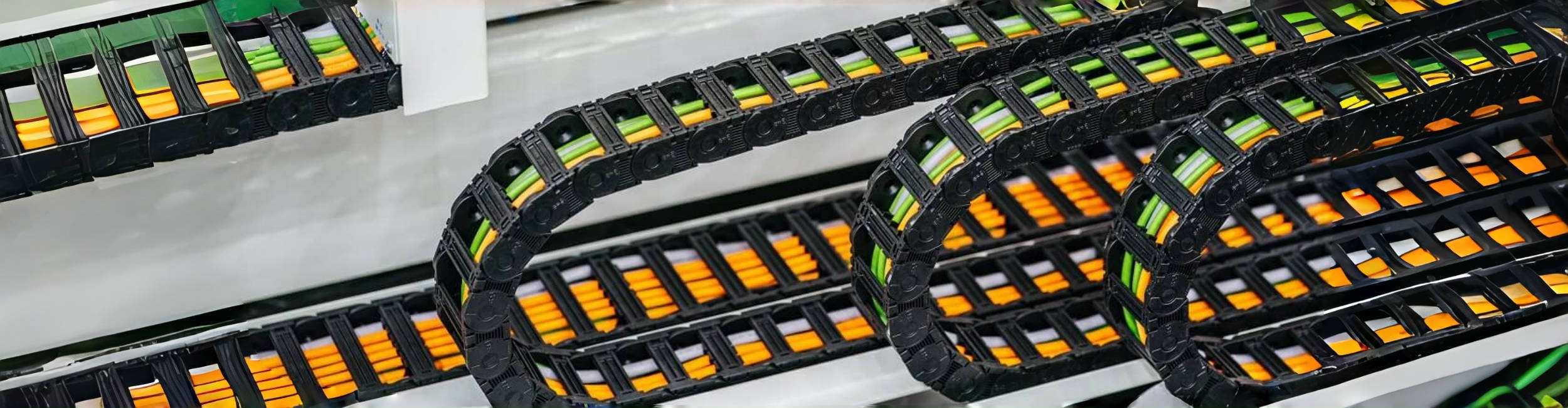
Nylon drag chains, also known as cable carriers or energy chains, are integral components used in various manufacturing and machining processes. Their primary function is to manage and protect cables and hoses while ensuring they remain organized and free from wear and tear. These chains are particularly advantageous in environments where machinery experiences repetitive motion, such as CNC machin
2026-06-06
One of the significant benefits of nylon drag chains is their lightweight yet durable construction. Nylon, a synthetic polymer, offers excellent resistance to abrasions, impacts, and chemicals, making it ideal for high-performance applications. The flexibility of nylon allows for various configurations, accommodating different cable sizes and types, which is crucial in optimizing space and reducing clutter in manufacturing setups.
When selecting a nylon drag chain, it is essential to consider several factors. First, the operational environment plays a critical role. For instance, if the drag chain will be used in a setting exposed to high temperatures or harsh chemicals, choosing a type with enhanced resistance properties is advisable. Additionally, the radius of the chain's bend should be taken into account, as this can affect the longevity and functionality of the cables housed within.
Installation and maintenance of nylon drag chains are relatively straightforward, yet proper attention is required to prevent premature wear. Regular inspections can help identify any signs of damage or stress, ensuring timely replacements or repairs. Furthermore, using appropriate lubrication on the moving parts of the chain can significantly enhance its lifespan and operational efficiency.
Nylon drag chains are widely used across various industries, including automotive, aerospace, and robotics. Their versatility allows manufacturers to customize solutions that cater to specific needs, such as shielding against dust and debris or providing additional support for heavier loads. This adaptability not only improves machinery performance but also minimizes downtime, ultimately leading to increased productivity.
In conclusion, nylon drag chains are indispensable for modern manufacturing processes. Their robust design, combined with ease of maintenance and installation, makes them a preferred choice for professionals seeking to enhance the efficiency and longevity of their machinery. By understanding the features and applications of nylon drag chains, professionals can make informed decisions that lead to improved operational outcomes in their respective industries.
Related News

Maximizing Efficiency with Cable Drag Chains in Manufacturing
In the realm of manufacturing and machining, the need for organized, efficient, and safe cable management is paramount. This is where cable drag chains come into play. A cable drag chain is designed to house and protect cables, hoses, and other components, allowing for smooth, unhindered movement in machinery. With a variety of designs and configurations available, they cater to specific requireme
How to Troubleshoot Issues with Your Plastic Drag Chain Table of Contents Understanding Plastic Drag Chains Common Issues with Plastic Drag Chains Identifying the Symptoms of Drag Chain Failure Step-by-Step Troubleshooting Guide Preventative Maintenance Tips for Plastic Drag Chains When to Replace Your Drag Chain Best Practices for Installing Drag Chains Conclusion
Subscribe to
Get the latest information on company products


Contact
Add: 14-2,Liandong U Valley,Manufacturing Industrial Park,Tangxia Town,Pengjiang District,Jiangmen City Guangdong Province, China