Krius Intelligent Manufacturing (Jiangmen) Co., Ltd.

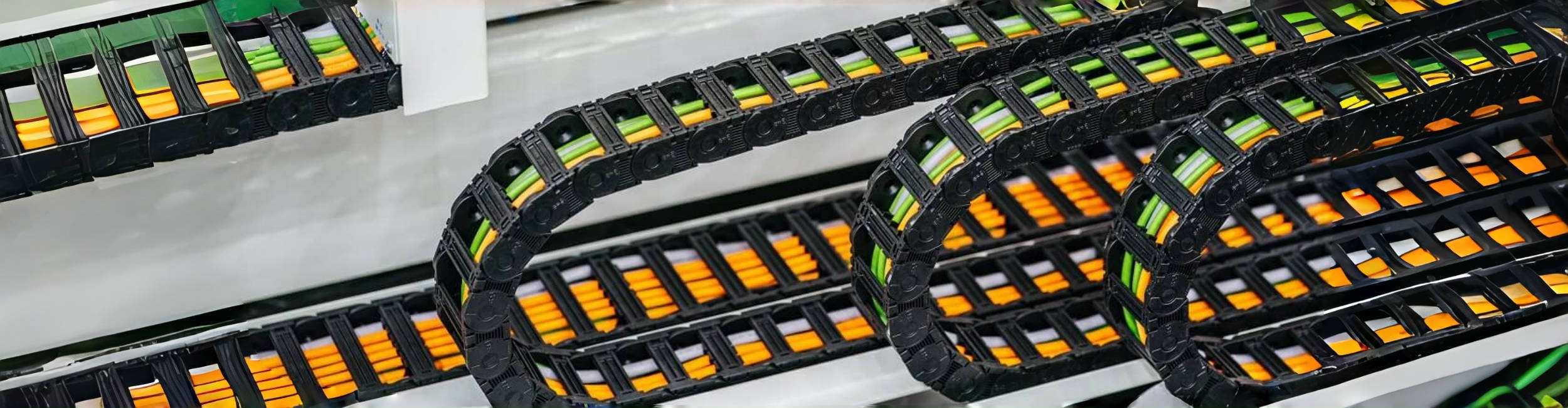
Discover the Strength: Why Heavy Duty Tow Chains Are Essential for Your Machinery
Discover the Strength: Why Heavy Duty Tow Chains Are Essential for Your Machinery Table of Contents 1. Introduction to Heavy Duty Tow Chains 2. The Importance of Heavy Duty Tow Chains in Manufacturing 3. Key Features of Heavy Duty Tow Chains 3.1 Material Strength and Durability 3.2 Load Capacity and Weight Distribution 3.3 Corrosion Resistance 4. Applications of Heavy Duty Tow Chai
2026-06-03
Discover the Strength: Why Heavy Duty Tow Chains Are Essential for Your Machinery
Table of Contents
1. Introduction to Heavy Duty Tow Chains
2. The Importance of Heavy Duty Tow Chains in Manufacturing
3. Key Features of Heavy Duty Tow Chains
3.1 Material Strength and Durability
3.2 Load Capacity and Weight Distribution
3.3 Corrosion Resistance
4. Applications of Heavy Duty Tow Chains
4.1 Industrial Machinery
4.2 Construction Equipment
4.3 Automotive Industry
5. How to Choose the Right Heavy Duty Tow Chain
5.1 Understanding Load Requirements
5.2 Evaluating Chain Length and Size
5.3 Considering Environmental Factors
6. Maintenance Tips for Heavy Duty Tow Chains
6.1 Regular Inspections
6.2 Proper Lubrication Techniques
7. Frequently Asked Questions
8. Conclusion
1. Introduction to Heavy Duty Tow Chains
Heavy duty tow chains play a pivotal role in the machinery and manufacturing sectors. These chains are designed to withstand heavy loads, ensuring that equipment can be securely towed or lifted without risk of failure. Their robust construction and reliable performance make them essential components in any industrial environment.
2. The Importance of Heavy Duty Tow Chains in Manufacturing
In the manufacturing industry, efficiency and safety are paramount. Heavy duty tow chains facilitate the movement of machinery and materials, enhancing workflow and reducing downtime. By ensuring that equipment can be reliably transported, these chains contribute to streamlined operations. Furthermore, using quality tow chains minimizes the risk of accidents and equipment damage, protecting both personnel and investments.
3. Key Features of Heavy Duty Tow Chains
Understanding what makes heavy duty tow chains reliable is crucial for anyone involved in machinery operations.
3.1 Material Strength and Durability
Heavy duty tow chains are typically made from high-grade steel or other durable materials. This allows them to handle significant stress without breaking or deforming. The choice of material is fundamental in determining the chain’s load-bearing capabilities and overall lifespan.
3.2 Load Capacity and Weight Distribution
One of the most important features of heavy duty tow chains is their ability to distribute weight evenly. This characteristic is vital for preventing equipment from tipping or becoming unstable during transport. Manufacturers often provide detailed specifications regarding the load capacity of their chains, helping users select the appropriate type for their needs.
3.3 Corrosion Resistance
In many industrial environments, exposure to moisture and chemicals is a common concern. Heavy duty tow chains often come with protective coatings or are made from corrosion-resistant materials, ensuring longevity even in harsh conditions. This resistance to corrosion is essential in maintaining the integrity of the chain over time.
4. Applications of Heavy Duty Tow Chains
Heavy duty tow chains find application across various industries, each relying on their strength and reliability.
4.1 Industrial Machinery
In factories and warehouses, heavy duty tow chains are used to move large machinery, enhancing productivity and efficiency. They are integral in assembly lines, where quick and safe transportation is necessary.
4.2 Construction Equipment
Construction sites often require the movement of heavy equipment. Tow chains provide the necessary strength to tow or lift this machinery, making them indispensable for construction projects. Their reliability ensures that operations can continue without unnecessary delays.
4.3 Automotive Industry
In automotive manufacturing and repair, heavy duty tow chains are used to transport vehicles and parts. Their strength and durability ensure that heavy vehicles can be moved safely throughout the production process or during repairs.
5. How to Choose the Right Heavy Duty Tow Chain
Selecting an appropriate heavy duty tow chain involves understanding specific requirements and considerations.
5.1 Understanding Load Requirements
Before purchasing a tow chain, it is essential to assess the load requirements. Consideration of the maximum weight that will be towed or lifted will guide the selection process and ensure safety during operation.
5.2 Evaluating Chain Length and Size
The length and size of the chain also play a critical role in its effectiveness. A chain that is too short may not provide the needed reach, while one that is too long may become unwieldy. Proper sizing ensures optimal performance.
5.3 Considering Environmental Factors
Environmental conditions can significantly impact the performance of tow chains. Factors such as humidity, temperature fluctuations, and exposure to chemicals should be taken into account when selecting a chain to ensure it can withstand the specific challenges of the operating environment.
6. Maintenance Tips for Heavy Duty Tow Chains
Maintaining heavy duty tow chains is vital for ensuring their longevity and effectiveness.
6.1 Regular Inspections
Conducting regular inspections of tow chains helps identify any signs of wear and tear. Look for frayed links, corrosion, or deformation, and replace any damaged chains immediately to prevent accidents.
6.2 Proper Lubrication Techniques
Lubrication is essential for reducing friction and preventing wear on the chain. Use the manufacturer-recommended lubricants and follow proper lubrication techniques to maintain the chain's performance.
7. Frequently Asked Questions
**Q1: How do I determine the right size of a heavy duty tow chain for my machinery?**
To determine the correct size, assess the load requirements and consider the machinery’s dimensions to ensure proper fit and functionality.
**Q2: What is the average lifespan of a heavy duty tow chain?**
The lifespan varies based on usage, maintenance, and environmental factors, but quality chains can last several years with proper care.
**Q3: Can heavy duty tow chains be used for outdoor applications?**
Yes, but it is important to choose chains that are specifically designed to resist corrosion and wear from environmental elements.
**Q4: How often should I inspect my heavy duty tow chains?**
Regular inspections should be conducted before each use, and more thorough checks should be performed at least once a month.
**Q5: Are there any safety precautions I should take when using tow chains?**
Always ensure that chains are rated for the load they will bear, avoid overloading, and follow proper attachment techniques to prevent accidents.
8. Conclusion
Heavy duty tow chains are indispensable tools in the machinery and manufacturing sectors, providing the strength, reliability, and safety needed for effective operations. By understanding their key features, applications, and maintenance requirements, businesses can enhance their machinery performance and ensure a safer working environment. Investing in quality tow chains not only boosts efficiency but also contributes to the longevity of your machinery. As such, they are an essential component for any manufacturer looking to optimize their operations.
Related News

Maximizing Efficiency with Cable Drag Chains in Manufacturing
In the realm of manufacturing and machining, the need for organized, efficient, and safe cable management is paramount. This is where cable drag chains come into play. A cable drag chain is designed to house and protect cables, hoses, and other components, allowing for smooth, unhindered movement in machinery. With a variety of designs and configurations available, they cater to specific requireme
How to Troubleshoot Issues with Your Plastic Drag Chain Table of Contents Understanding Plastic Drag Chains Common Issues with Plastic Drag Chains Identifying the Symptoms of Drag Chain Failure Step-by-Step Troubleshooting Guide Preventative Maintenance Tips for Plastic Drag Chains When to Replace Your Drag Chain Best Practices for Installing Drag Chains Conclusion
Subscribe to
Get the latest information on company products


Contact
Add: 14-2,Liandong U Valley,Manufacturing Industrial Park,Tangxia Town,Pengjiang District,Jiangmen City Guangdong Province, China