Krius Intelligent Manufacturing (Jiangmen) Co., Ltd.

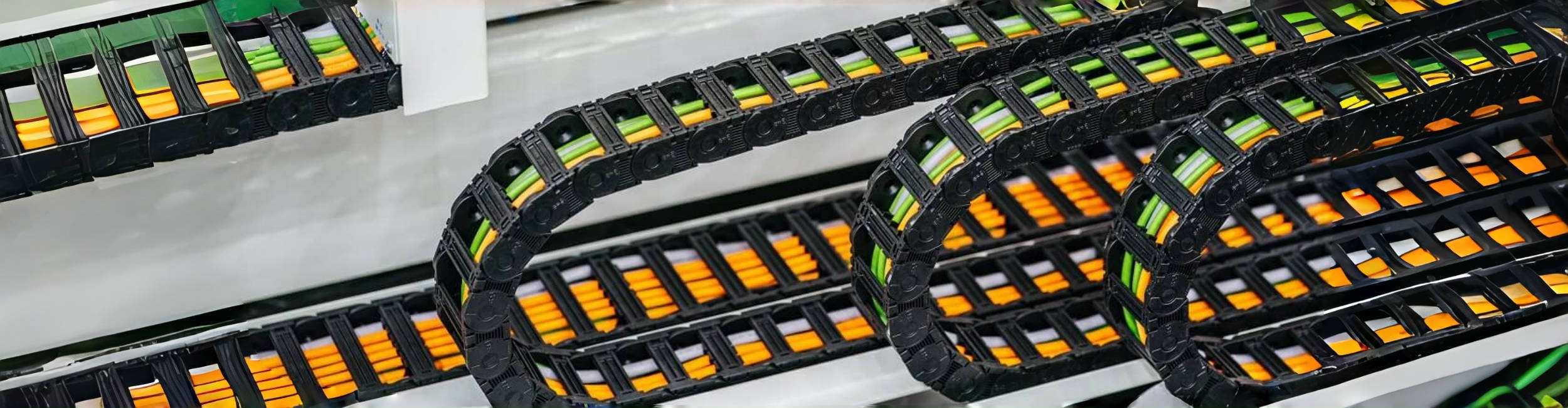
Understanding Cable Drag Chains: Essential Components for Efficient Machine Tool Operations
In the realm of manufacturing and machining, the importance of efficient cable management cannot be overstated. Cable drag chains, also known as energy chains or drag chains, are crucial components that facilitate the neat and organized movement of electrical cables, hydraulic hoses, and pneumatic tubing. They are designed to protect these vital connections while allowing for dynamic motion in mac
2026-05-31
A cable drag chain consists of a series of interconnected links that create a flexible, elongated channel through which cables can freely move. One of the primary benefits of using cable drag chains is their ability to minimize wear and tear on cables and hoses. By keeping them protected from external influences such as dirt, debris, and mechanical damage, these chains significantly extend the lifespan of the cables, reducing the frequency of replacements and repairs.
In addition to protection, drag chains enhance the efficiency of machinery operations. When cables and hoses are properly organized and channeled, it reduces the risk of tangling or snagging, which can lead to downtime and operational disruptions. This organized setup not only ensures smoother movement but also simplifies maintenance and troubleshooting tasks, as cables are easily accessible and identifiable.
Another essential aspect of cable drag chains is their adaptability. They come in various sizes, shapes, and materials, allowing manufacturers to choose the right chain for their specific applications. Whether it’s for high-speed automation equipment or heavy-duty industrial machinery, there’s a drag chain solution available that meets the unique needs of different workflows. Moreover, many drag chains are designed to be lightweight yet durable, often made from robust plastics or metals that can withstand harsh environments.
When selecting a cable drag chain, it’s essential to consider factors such as the maximum cable diameter, the total length of the chain, and the bend radius required for your specific machinery. Additionally, evaluating the operating environment—such as exposure to chemicals, temperature variations, or physical abrasions—can guide your choice of material and design.
In conclusion, cable drag chains are indispensable tools in the manufacturing sector, particularly in the machining of tools and equipment. Their benefits encompass enhanced cable protection, improved operational efficiency, and adaptability to various applications. By investing in high-quality cable drag chains, manufacturers can ensure that their machinery operates smoothly, ultimately leading to increased productivity and reduced operational costs.
Related News

Maximizing Efficiency with Cable Drag Chains in Manufacturing
In the realm of manufacturing and machining, the need for organized, efficient, and safe cable management is paramount. This is where cable drag chains come into play. A cable drag chain is designed to house and protect cables, hoses, and other components, allowing for smooth, unhindered movement in machinery. With a variety of designs and configurations available, they cater to specific requireme
How to Troubleshoot Issues with Your Plastic Drag Chain Table of Contents Understanding Plastic Drag Chains Common Issues with Plastic Drag Chains Identifying the Symptoms of Drag Chain Failure Step-by-Step Troubleshooting Guide Preventative Maintenance Tips for Plastic Drag Chains When to Replace Your Drag Chain Best Practices for Installing Drag Chains Conclusion
Subscribe to
Get the latest information on company products


Contact
Add: 14-2,Liandong U Valley,Manufacturing Industrial Park,Tangxia Town,Pengjiang District,Jiangmen City Guangdong Province, China