Krius Intelligent Manufacturing (Jiangmen) Co., Ltd.

How Plastic Drag Chains Enhance Safety in Manufacturing Environments
How Plastic Drag Chains Enhance Safety in Manufacturing Environments Manufacturing environments are replete with hazards that can compromise not only productivity but also the safety of personnel. Among the many components used in these settings, **plastic drag chains** stand out as essential tools for promoting safety and efficiency. This article delves deep into the ways plastic drag chains impr
2026-05-10
How Plastic Drag Chains Enhance Safety in Manufacturing Environments
Manufacturing environments are replete with hazards that can compromise not only productivity but also the safety of personnel. Among the many components used in these settings, **plastic drag chains** stand out as essential tools for promoting safety and efficiency. This article delves deep into the ways plastic drag chains improve safety in manufacturing scenarios, providing insights into their design, benefits, and best practices for implementation.
Table of Contents
- Understanding Plastic Drag Chains
- Safety Benefits of Plastic Drag Chains
- Components and Design of Plastic Drag Chains
- Installation Best Practices for Drag Chains
- Maintenance and Care of Plastic Drag Chains
- Cost-Effectiveness of Plastic Drag Chains
- Real-World Examples of Safety Improvements
- Common Questions About Plastic Drag Chains
- Conclusion
Understanding Plastic Drag Chains
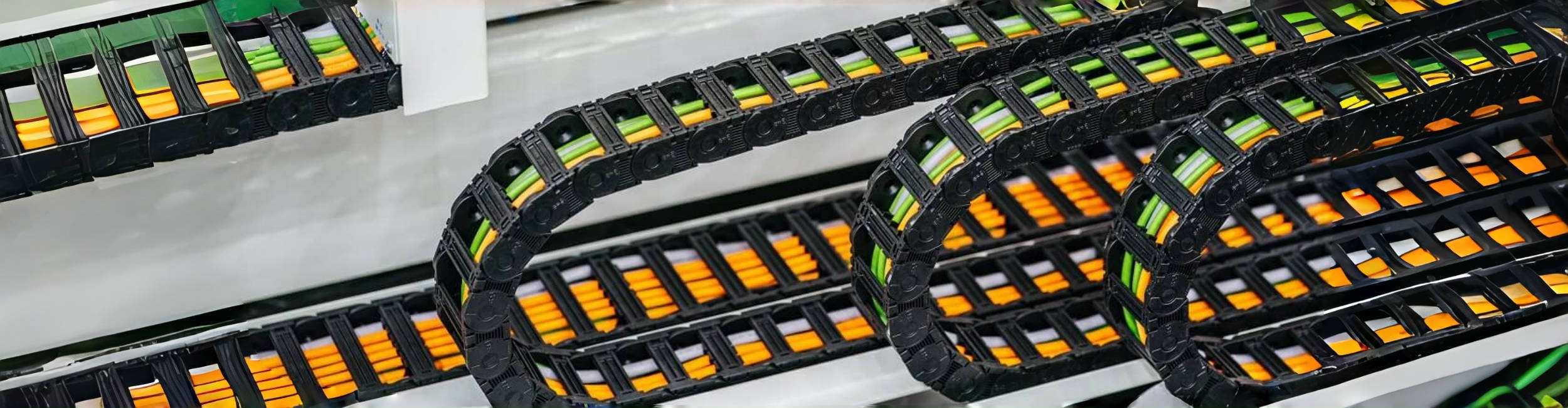
Plastic drag chains, also known as cable carriers or energy chains, serve as protective conduit systems that manage and guide flexible cables and hoses in manufacturing environments. Unlike metal alternatives, plastic drag chains provide a lightweight and flexible solution, making them ideal for various applications including CNC machines, robotics, and assembly lines. The ability to minimize tangles and wear of moving parts is crucial for maintaining a safe working environment.
Safety Benefits of Plastic Drag Chains
**1. Minimizing Trip Hazards**
One of the primary safety benefits of plastic drag chains is their ability to **minimize trip hazards**. By keeping cables and hoses organized and secured, drag chains prevent loose wires from lying on the floor where they can pose a serious risk to workers. This organization not only enhances safety but also contributes to a more streamlined workflow.
**2. Reducing Wear and Tear on Cables**
Plastic drag chains are designed to reduce friction and wear on cables and hoses. This is vital because damaged cables can lead to electrical shorts or mechanical failures, putting employees at risk. By providing a protective housing, drag chains extend the life of cables and hoses, ensuring they remain functional and safe.
**3. Enhancing Workplace Efficiency**
A well-organized system using plastic drag chains improves workplace efficiency. Cables that are properly managed reduce downtime caused by maintenance or repairs. This efficiency contributes to a safer working environment, as employees spend less time troubleshooting problems related to cable management.
**4. Preventing Equipment Damage**
When cables and hoses are properly routed within drag chains, there is a lower risk of equipment damage due to snagging or tangling. Equipment malfunctions can lead to accidents, and by using drag chains, manufacturers can mitigate these risks effectively.
Components and Design of Plastic Drag Chains
Understanding the components and design of plastic drag chains is essential for appreciating how they enhance safety.
Key Components of Plastic Drag Chains
- **Chain Links**: The individual segments that connect to form the chain, allowing flexibility and movement.
- **Inner Width and Height**: These dimensions are critical for determining the size of the cables or hoses that can be accommodated.
- **Guide Plates**: These ensure that cables remain secure within the chain and are less prone to movement that could cause stress or damage.
Design Innovations
Modern plastic drag chains incorporate design innovations that further enhance their safety features. Some chains come with **anti-twist designs**, preventing cables from twisting during operation. Others include **integrated noise dampening materials**, which can reduce the noise level in busy manufacturing environments, making it easier for workers to communicate and stay aware of their surroundings.
Installation Best Practices for Drag Chains
Proper installation of plastic drag chains is crucial to maximizing their safety benefits.
Step-by-Step Installation Guide
**1. Planning the Layout**: Before installation, plan the route of the drag chain carefully. Ensure it avoids sharp turns and is positioned to allow for maximum movement without obstruction.
**2. Mounting**: Secure the drag chain to a stable surface. Use appropriate hardware to ensure that it remains affixed during operation.
**3. Cable Routing**: Insert cables and hoses into the drag chain, ensuring they are not overly tight or loose. A snug fit prevents movement that could lead to wear.
**4. Testing**: Once installed, run tests to ensure that the drag chain operates smoothly. Monitor for any signs of wear or malfunction.
Maintenance and Care of Plastic Drag Chains
Regular maintenance of plastic drag chains is essential to ensure their longevity and effectiveness in enhancing safety.
Routine Inspections
Conduct routine inspections to check for signs of wear, cracks, or other damage. Early detection allows for timely repairs or replacements, preventing potential safety hazards.
Cleaning and Lubrication
Keep the drag chains clean and free from debris that could interfere with their operation. Lubricate any moving parts as recommended by the manufacturer to ensure smooth functionality.
Cost-Effectiveness of Plastic Drag Chains
While there may be an initial investment in plastic drag chains, their long-term cost-effectiveness is undeniable.
**1. Reduced Downtime**: By minimizing the risk of cable damage and equipment failure, manufacturers can significantly reduce downtime, leading to increased productivity and profits.
**2. Longevity**: The durability of plastic drag chains means that they often outlast other solutions, offering savings on replacement costs over time.
**3. Lower Maintenance Costs**: With fewer issues arising from cable management, the overall maintenance costs associated with equipment can be reduced.
Real-World Examples of Safety Improvements
Many manufacturers have successfully integrated plastic drag chains into their operations, resulting in notable safety improvements.
**Case Study: Automotive Manufacturing Facility**
In a bustling automotive manufacturing facility, the implementation of plastic drag chains led to a **50% reduction in cable-related accidents**. By managing cables efficiently, employees reported fewer trips and falls, showcasing the effectiveness of drag chains in enhancing safety.
**Case Study: Robotics Production Line**
A company specializing in robotics integrated plastic drag chains into their production line. They noted a significant **decrease in equipment downtime** due to improved cable management, which not only kept the workplace safer but also increased their overall throughput.
Common Questions About Plastic Drag Chains
**1. What materials are plastic drag chains made from?**
Plastic drag chains are typically made from high-quality polymer materials, which provide durability and flexibility.
**2. Can plastic drag chains be used in outdoor environments?**
Yes, many plastic drag chains are designed to withstand outdoor conditions, but it’s essential to choose materials that are UV resistant if exposed.
**3. Are plastic drag chains easy to install?**
With proper planning and a step-by-step approach, plastic drag chains can be installed relatively easily, even by those with basic mechanical skills.
**4. How often should plastic drag chains be maintained?**
Regular inspections should be conducted, ideally monthly, to ensure that any wear is addressed promptly.
**5. What types of cables can be used with drag chains?**
Plastic drag chains are versatile and can accommodate a variety of cables, including power, data, and pneumatic hoses, depending on the size specifications.
Conclusion
In conclusion, plastic drag chains are invaluable in enhancing safety within manufacturing environments. By minimizing trip hazards, reducing wear and tear on cables, and improving overall workplace efficiency, they contribute significantly to a safer operational landscape. Offering cost-effectiveness and ease of maintenance, plastic drag chains are a smart investment for manufacturers striving to create a safer and more efficient workplace. As we continue to evolve in the manufacturing sector, the role of plastic drag chains will undoubtedly remain pivotal in promoting safety and operational excellence.
Related News

Maximizing Efficiency with Cable Drag Chains in Manufacturing
In the realm of manufacturing and machining, the need for organized, efficient, and safe cable management is paramount. This is where cable drag chains come into play. A cable drag chain is designed to house and protect cables, hoses, and other components, allowing for smooth, unhindered movement in machinery. With a variety of designs and configurations available, they cater to specific requireme
How to Troubleshoot Issues with Your Plastic Drag Chain Table of Contents Understanding Plastic Drag Chains Common Issues with Plastic Drag Chains Identifying the Symptoms of Drag Chain Failure Step-by-Step Troubleshooting Guide Preventative Maintenance Tips for Plastic Drag Chains When to Replace Your Drag Chain Best Practices for Installing Drag Chains Conclusion
Subscribe to
Get the latest information on company products


Contact
Add: 14-2,Liandong U Valley,Manufacturing Industrial Park,Tangxia Town,Pengjiang District,Jiangmen City Guangdong Province, China