Krius Intelligent Manufacturing (Jiangmen) Co., Ltd.

Understanding Nylon Cable Drag Chains: Essential for Manufacturing Success
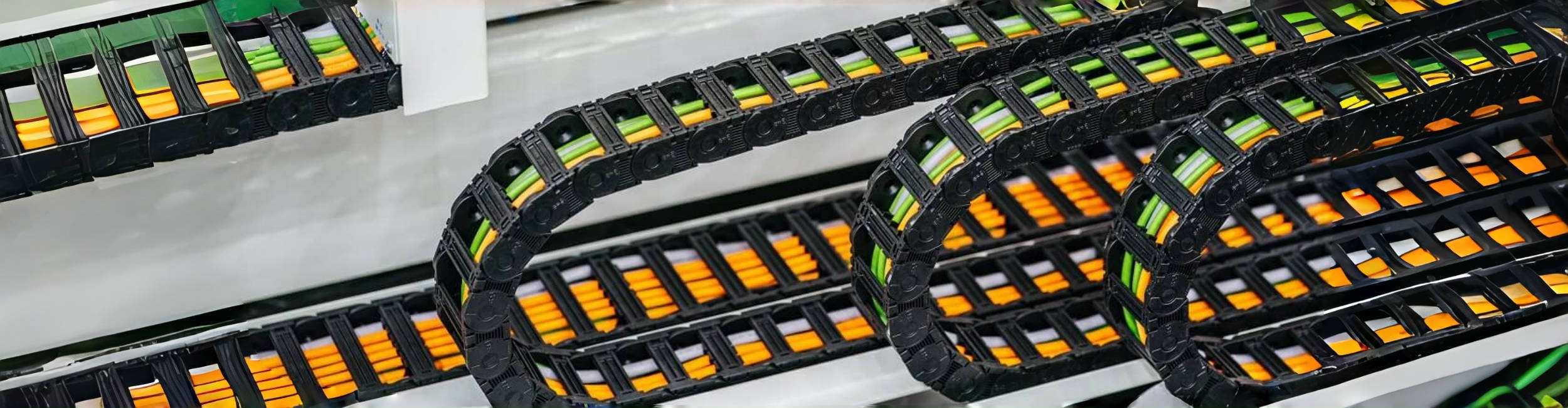
Nylon cable drag chains, also known as energy chains or cable carriers, are designed to manage and protect cables and hoses in dynamic applications. They play a vital role in machinery where movement is constant, such as CNC machines, robotic arms, and other automated systems. Constructed from durable nylon, these drag chains offer a balance of flexibility, strength, and lightweight characteristic
2026-05-07
One of the primary advantages of nylon cable drag chains is their ability to reduce wear and tear on cables and hoses, prolonging their lifespan. In environments where cables may rub against surfaces or be subject to friction, drag chains create a protective barrier. This not only prevents damage but also minimizes downtime associated with cable replacements, ultimately leading to increased operational efficiency.
Another critical aspect of nylon drag chains is their modular design. They can be easily assembled and customized to fit specific applications, allowing manufacturers to adapt to various machinery configurations. This versatility means that businesses can optimize their setups without the need for extensive modifications, saving both time and resources.
When it comes to installation, nylon cable drag chains are user-friendly. They can be integrated into existing machinery with minimal disruption, and their lightweight nature simplifies the installation process. For manufacturers looking to enhance their operational capabilities, the straightforward integration of nylon drag chains can be a game-changer.
In addition to their functional benefits, nylon cable drag chains are also designed to withstand a range of environmental conditions. They exhibit excellent resistance to chemicals, oils, and abrasion, making them suitable for demanding manufacturing environments. Their ability to maintain performance under various temperatures further enhances their appeal for industrial applications.
Moreover, choosing nylon cable drag chains contributes to a cleaner workspace. By organizing cables and hoses neatly within the drag chain, manufacturers can reduce clutter and improve safety. This organization not only enhances the appearance of the workspace but also minimizes hazards associated with loose cables, promoting a more efficient working environment.
In conclusion, nylon cable drag chains are an indispensable tool in the manufacturing and machining industries. Their durability, flexibility, ease of installation, and ability to protect cables and hoses make them a preferred choice for machine tool accessories. By incorporating nylon cable drag chains into your operations, you can enhance efficiency, reduce downtime, and create a safer work environment, ultimately contributing to your company's overall success.
Related News

Maximizing Efficiency: Choosing the Right Heavy Duty Tow Chain for Your Equipment
Maximizing Efficiency: Choosing the Right Heavy Duty Tow Chain for Your Equipment Table of Contents 1. Introduction 2. Understanding Heavy Duty Tow Chains 3. Types of Heavy Duty Tow Chains 4. Key Factors in Choosing a Tow Chain 5. Maintenance and Care of Tow Chains 6. Applications of Heavy Duty Tow Chains 7. Safety Considerations When Using Tow Chains 8. Frequently
Understanding Cable Drag Chains: Essential Components for Efficient Machinery Operation
Cable drag chains, also known as energy chains, play a vital role in the manufacturing and machining industry, particularly in the operation of machine tools and various automated systems. These chains are designed to manage and protect flexible cables and hoses as they move with the machinery, ensuring safety, efficiency, and longevity of the components involved. One of the primary functions of a
Subscribe to
Get the latest information on company products


Contact
Add: 14-2,Liandong U Valley,Manufacturing Industrial Park,Tangxia Town,Pengjiang District,Jiangmen City Guangdong Province, China