Krius Intelligent Manufacturing (Jiangmen) Co., Ltd.

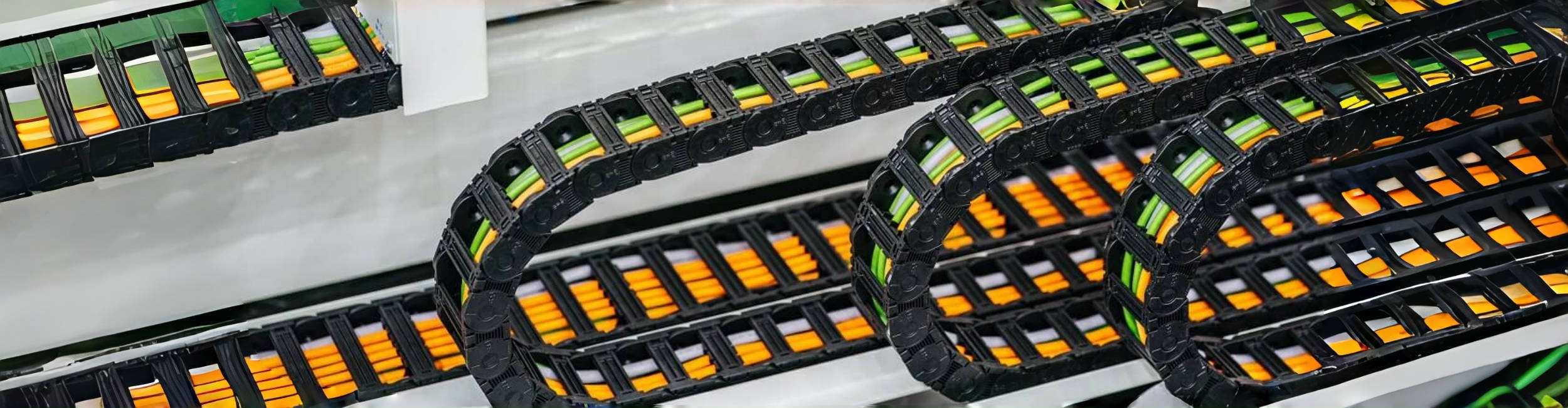
How Plastic Cable Drag Chains Reduce Friction in Machinery for Enhanced Performance
How Plastic Cable Drag Chains Reduce Friction in Machinery for Enhanced Performance Table of Contents 1. Introduction to Plastic Cable Drag Chains 2. Understanding Friction in Machinery 3. The Role of Plastic Cable Drag Chains 4. Construction and Materials of Plastic Drag Chains 5. Key Benefits of Utilizing Plastic Cable Drag Chains 6. Applications of Plastic Cable Drag Chains in Various Industri
2026-05-04
How Plastic Cable Drag Chains Reduce Friction in Machinery for Enhanced Performance
Table of Contents
- 1. Introduction to Plastic Cable Drag Chains
- 2. Understanding Friction in Machinery
- 3. The Role of Plastic Cable Drag Chains
- 4. Construction and Materials of Plastic Drag Chains
- 5. Key Benefits of Utilizing Plastic Cable Drag Chains
- 6. Applications of Plastic Cable Drag Chains in Various Industries
- 7. Installation and Maintenance of Plastic Drag Chains
- 8. Frequently Asked Questions (FAQs)
- 9. Conclusion
1. Introduction to Plastic Cable Drag Chains
In modern machinery, efficiency is paramount. As industries continuously strive for enhanced performance and longevity of equipment, understanding the components that contribute to these goals becomes essential. One such component that plays a critical role in reducing friction are **plastic cable drag chains**. These innovative structures guide and protect moving cables and hoses, ensuring smooth operation while minimizing wear and tear.
2. Understanding Friction in Machinery
Friction is a force that opposes motion when two surfaces in contact move against each other. In machinery, excessive friction can lead to several issues, including increased wear on components, overheating, and reduced efficiency. Understanding the factors that contribute to friction is vital for optimizing machinery performance.
The Mechanics of Friction
Friction occurs due to the microscopic roughness of surfaces in contact. When parts move, these rough surfaces interact, generating heat and resistance. In machinery, this can slow down operations and lead to premature failures. Therefore, reducing friction is crucial for maintaining optimal performance.
Types of Friction in Machinery
There are two primary types of friction relevant to machinery: static friction and kinetic friction. Static friction occurs when an object is at rest, while kinetic friction arises when the object is in motion. Managing both types effectively can result in improved machinery performance and durability.
3. The Role of Plastic Cable Drag Chains
Plastic cable drag chains are designed to provide a protective conduit for moving cables and hoses, significantly reducing friction. By guiding these elements along a predetermined path, drag chains prevent tangling and wear that can lead to failures.
How Drag Chains Work
When cables and hoses move back and forth, drag chains ensure they remain organized and free from obstructions. The flexible design of plastic drag chains allows for smooth movement, reducing the risk of friction and enhancing the overall function of the machinery.
4. Construction and Materials of Plastic Drag Chains
Plastic drag chains are engineered from high-quality materials that contribute to their effectiveness in reducing friction. Common materials include durable thermoplastics that offer flexibility and strength.
Types of Materials Used
- **Polyamide (Nylon):** Known for its strength and resistance to wear, polyamide is a popular choice for drag chains.
- **Polypropylene:** This lightweight material provides good chemical resistance and is often used in less demanding applications.
- **Polyester:** Known for its UV resistance, polyester is ideal for outdoor applications where exposure to sunlight is a concern.
Design Features to Reduce Friction
Plastic drag chains come with unique design features, such as:
- **Smooth Inner Surfaces:** These surfaces minimize contact friction as cables move through the drag chain.
- **Flexible Links:** Allow for easier movement and adaptability to various machinery orientations.
- **Rounded Edges:** Reduces wear on cables and hoses and enhances the overall lifespan of the system.
5. Key Benefits of Utilizing Plastic Cable Drag Chains
Integrating plastic cable drag chains into machinery comes with several significant advantages that contribute to overall efficiency.
Enhanced Durability
Plastic drag chains are designed to withstand harsh operating conditions. Their robust construction ensures they can handle the rigors of movement without breaking down or causing damage to cables and hoses.
Reduced Maintenance Costs
By minimizing friction, plastic drag chains reduce the wear and tear on machinery parts. This translates into lower maintenance costs and fewer interruptions in operations due to repairs.
Increased Efficiency
With reduced friction, machinery can operate more smoothly and at higher speeds. This increase in efficiency can lead to enhanced productivity and reduced energy consumption.
Improved Safety
Organized cables and hoses minimize the risk of entanglement, leading to a safer working environment. Reducing friction also lessens the chances of overheating or failure, contributing to a safer overall operation.
6. Applications of Plastic Cable Drag Chains in Various Industries
Plastic cable drag chains find applications across numerous industries due to their versatility and efficiency.
Manufacturing
In manufacturing environments, drag chains are essential for guiding cables in automated machinery, such as CNC machines and robotic arms. They ensure smooth operation and protect cables from damage.
Automotive
In the automotive industry, drag chains are used in assembly lines where precision and speed are critical. They help manage cables in machinery that requires consistent movement and high safety standards.
Textile Industry
Textile machines often utilize plastic cable drag chains to manage the extensive cables involved in weaving and sewing processes. Here, the reduction of friction is essential for maintaining high-speed operations.
Aerospace
The aerospace sector employs drag chains in various applications, from assembly to maintenance equipment. Their ability to reduce friction while maintaining structural integrity is paramount in this industry.
7. Installation and Maintenance of Plastic Drag Chains
Understanding how to properly install and maintain plastic drag chains is crucial for maximizing their efficiency and lifespan.
Installation Guidelines
- **Identify Cable Needs:** Assess the quantity and type of cables that will be used within the drag chain.
- **Determine Chain Size:** Select a drag chain size that accommodates the cables while allowing for movement.
- **Secure Mounting:** Ensure the drag chain is securely mounted to prevent movement that could lead to friction.
Maintenance Tips
- **Regular Inspections:** Conduct routine checks for wear and tear, ensuring the drag chain is functioning optimally.
- **Lubrication:** In some cases, lubrication may be necessary to further reduce friction, although many plastic drag chains are designed to operate without it.
- **Cleaning:** Maintain cleanliness by removing dust and debris that may accumulate within the chains, potentially causing friction.
8. Frequently Asked Questions (FAQs)
What is the primary purpose of plastic cable drag chains?
Plastic cable drag chains are designed to guide and protect moving cables and hoses, reducing friction and wear within machinery.
How do plastic drag chains reduce friction?
They minimize contact between cables and surfaces, utilize smooth inner surfaces, and feature flexible designs that allow for organized movement.
What materials are used to make plastic drag chains?
Common materials include polyamide (nylon), polypropylene, and polyester, each selected for their durability and resistance to wear.
Can plastic drag chains be used in outdoor environments?
Yes, certain materials, such as polyester, are designed to withstand UV exposure and can be used in outdoor applications.
How often should plastic drag chains be inspected?
Regular inspections are recommended, ideally every few months, to ensure they remain in optimal condition and continue to reduce friction effectively.
9. Conclusion
In conclusion, **plastic cable drag chains** serve an indispensable role in reducing friction within machinery, leading to enhanced performance, durability, and safety. Their unique construction and benefits make them a vital component across various industries. By understanding their function and implementing them effectively, businesses can achieve greater efficiency while minimizing maintenance costs. Embracing this technology is not just a trend but a critical step towards future-proofing machinery against the challenges of friction and wear.
Related News

Maximizing Efficiency with Cable Drag Chains in Manufacturing
In the realm of manufacturing and machining, the need for organized, efficient, and safe cable management is paramount. This is where cable drag chains come into play. A cable drag chain is designed to house and protect cables, hoses, and other components, allowing for smooth, unhindered movement in machinery. With a variety of designs and configurations available, they cater to specific requireme
How to Troubleshoot Issues with Your Plastic Drag Chain Table of Contents Understanding Plastic Drag Chains Common Issues with Plastic Drag Chains Identifying the Symptoms of Drag Chain Failure Step-by-Step Troubleshooting Guide Preventative Maintenance Tips for Plastic Drag Chains When to Replace Your Drag Chain Best Practices for Installing Drag Chains Conclusion
Subscribe to
Get the latest information on company products


Contact
Add: 14-2,Liandong U Valley,Manufacturing Industrial Park,Tangxia Town,Pengjiang District,Jiangmen City Guangdong Province, China