Krius Intelligent Manufacturing (Jiangmen) Co., Ltd.

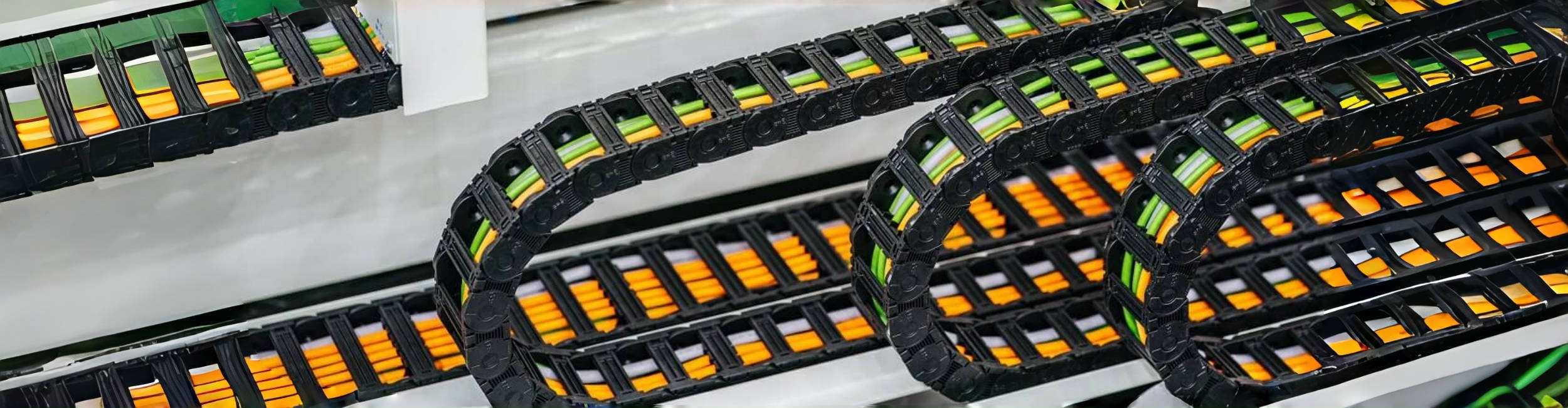
Understanding Nylon Drag Chains: Essential Components for Manufacturing Machinery
Nylon drag chains, often referred to as energy chains or cable carriers, play a pivotal role in the manufacturing and machining industries. These components are designed to manage and organize the movement of cables and hoses, facilitating a smooth operation in various machinery applications. By understanding the characteristics and advantages of nylon drag chains, professionals in the industry ca
2026-05-01
Constructed primarily from high-quality nylon, these drag chains are known for their durability and flexibility. Unlike traditional metal chains, nylon offers a lightweight alternative that reduces wear and tear on machinery components. This is particularly beneficial in dynamic environments where movement is constant. Nylon drag chains are designed to accommodate a wide range of cable and hose sizes, ensuring compatibility with various machines and systems.
One of the key advantages of nylon drag chains is their ability to minimize friction and abrasion. The smooth inner surfaces of these chains allow cables to move freely, reducing the risk of damage caused by rubbing against other components. This feature not only extends the lifespan of the cables but also enhances the overall performance of the machinery. Moreover, many nylon drag chains come with integrated wear strips, further optimizing their longevity and reliability.
In addition to durability, nylon drag chains are also resistant to various environmental factors, such as chemicals, oils, and UV radiation. This resistance is crucial in manufacturing settings where exposure to harsh substances is common. By utilizing nylon drag chains, manufacturers can be assured that their equipment will remain operational, even in challenging conditions.
The applications of nylon drag chains are vast, spanning across industries such as robotics, CNC machining, and assembly lines. In robotics, for instance, these chains are essential for maintaining the organization of cables that power and control robotic arms. Similarly, in CNC machining, they help manage the extensive wiring required for automation systems, thus promoting efficiency and reducing downtime.
In conclusion, nylon drag chains are integral components in modern manufacturing machinery. Their lightweight, durable, and flexible nature provides numerous benefits, including reduced wear on cables and enhanced operational efficiency. By incorporating nylon drag chains into their systems, professionals can significantly improve the functionality and reliability of their machinery. As the manufacturing landscape continues to evolve, understanding and utilizing such components will be key to maintaining a competitive edge in the industry.
Related News

Maximizing Efficiency with Cable Drag Chains in Manufacturing
In the realm of manufacturing and machining, the need for organized, efficient, and safe cable management is paramount. This is where cable drag chains come into play. A cable drag chain is designed to house and protect cables, hoses, and other components, allowing for smooth, unhindered movement in machinery. With a variety of designs and configurations available, they cater to specific requireme
How to Troubleshoot Issues with Your Plastic Drag Chain Table of Contents Understanding Plastic Drag Chains Common Issues with Plastic Drag Chains Identifying the Symptoms of Drag Chain Failure Step-by-Step Troubleshooting Guide Preventative Maintenance Tips for Plastic Drag Chains When to Replace Your Drag Chain Best Practices for Installing Drag Chains Conclusion
Subscribe to
Get the latest information on company products


Contact
Add: 14-2,Liandong U Valley,Manufacturing Industrial Park,Tangxia Town,Pengjiang District,Jiangmen City Guangdong Province, China