Krius Intelligent Manufacturing (Jiangmen) Co., Ltd.

Understanding Cable Drag Chains: Essential Components for Efficient Machine Operation
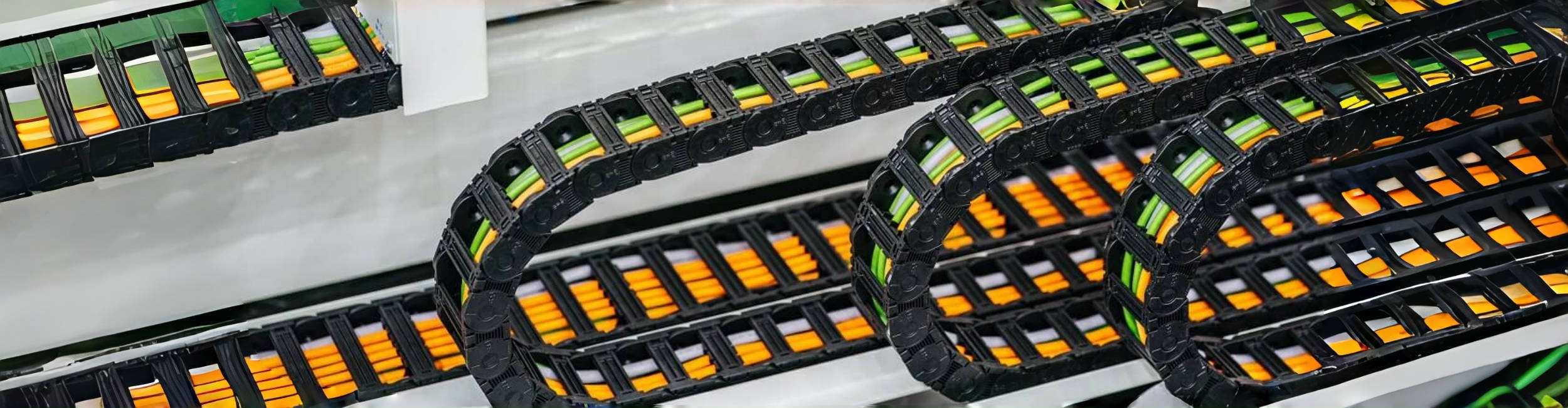
Cable drag chains, also known as energy chains or drag chains, are essential components in the manufacturing and machine tool industry. These chains manage and protect cables, hoses, and other flexible connections that move with machinery. Their design allows for efficient movement while preventing damage to the cables or hoses, which can lead to costly downtimes and repairs. The primary purpose o
2026-05-13
The primary purpose of a cable drag chain is to organize and guide flexible cables and hoses. In environments where machinery operates in a linear motion, such as CNC machines or robotic arms, the cables must remain flexible while avoiding tangling or abrasion. Cable drag chains are engineered to facilitate this movement, effectively reducing wear and tear on the cables, thereby prolonging their lifespan.
In addition to protection, cable drag chains enhance safety in the workplace. By keeping cables organized and away from moving parts, the risk of accidents and equipment malfunction is minimized. Moreover, the use of drag chains can lead to improved aesthetics in industrial settings, as they keep the work area tidy and professional-looking.
When selecting a cable drag chain, it is important to consider several factors, including the type and number of cables, the length of travel, and the environmental conditions. For instance, certain chains are designed for heavy-duty applications, while others may be more suitable for lighter operations. Additionally, factors such as temperature extremes, exposure to chemicals, or dust can influence the choice of material for the drag chain, ensuring it meets the specific demands of the operating environment.
The installation of cable drag chains is relatively straightforward but requires careful planning. Proper installation not only ensures optimal performance but also minimizes potential issues down the line. It is advisable to consult with professionals who can provide guidance on the best practices for installation and maintenance.
In conclusion, cable drag chains are a vital component in the manufacturing process, offering protection, organization, and enhanced safety for flexible connections. Understanding their importance and functionality will help you make informed decisions when integrating them into your machinery. By investing in quality cable drag chains, manufacturers can increase operational efficiency, reduce maintenance costs, and improve overall productivity.
Related News

Maximizing Efficiency with Cable Drag Chains in Manufacturing
In the realm of manufacturing and machining, the need for organized, efficient, and safe cable management is paramount. This is where cable drag chains come into play. A cable drag chain is designed to house and protect cables, hoses, and other components, allowing for smooth, unhindered movement in machinery. With a variety of designs and configurations available, they cater to specific requireme
How to Troubleshoot Issues with Your Plastic Drag Chain Table of Contents Understanding Plastic Drag Chains Common Issues with Plastic Drag Chains Identifying the Symptoms of Drag Chain Failure Step-by-Step Troubleshooting Guide Preventative Maintenance Tips for Plastic Drag Chains When to Replace Your Drag Chain Best Practices for Installing Drag Chains Conclusion
Subscribe to
Get the latest information on company products


Contact
Add: 14-2,Liandong U Valley,Manufacturing Industrial Park,Tangxia Town,Pengjiang District,Jiangmen City Guangdong Province, China