Krius Intelligent Manufacturing (Jiangmen) Co., Ltd.

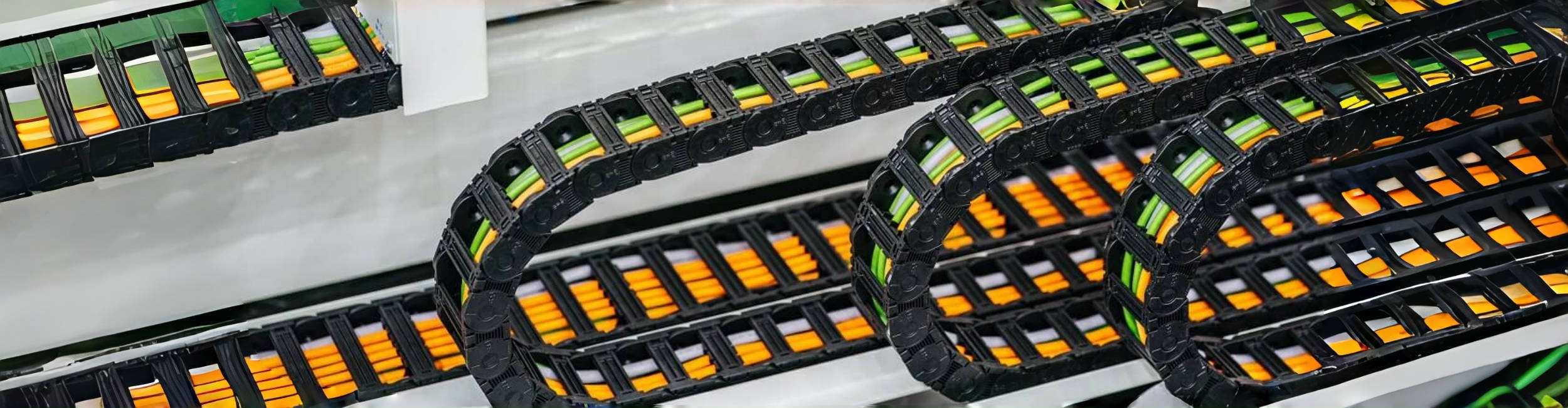
Understanding Nylon Cable Drag Chains: A Key Component in Manufacturing Machinery
Nylon cable drag chains, often referred to simply as drag chains, play a critical role in the manufacturing and machining sectors. These components are designed to guide and protect moving cables, hoses, and other flexible connections, ensuring that they operate efficiently and safely within machinery. By minimizing wear and tear on cables, drag chains help to prolong their lifespan and enhance ov
2026-04-23
One of the primary advantages of using nylon cable drag chains is their lightweight yet robust construction. Nylon is known for its excellent tensile strength and durability, making it an ideal material for environments that require flexibility and resistance to abrasion. Moreover, the inherent properties of nylon allow these chains to withstand a wide range of temperatures and chemicals, adding to their versatility across various industrial applications.
In practical terms, nylon cable drag chains can be found in numerous settings, from CNC machines to assembly lines and robotics. Their ability to organize and route cables not only improves the aesthetics of the machinery but also reduces the risk of entanglement and damage. This organization is vital in maintaining smooth operations, as it prevents downtime caused by cable-related issues.
Another significant factor to consider is the ease of installation and maintenance. Many nylon drag chains feature a modular design that allows for quick assembly and disassembly. This can be particularly beneficial in environments where modifications or upgrades to machinery are common. Additionally, the low friction properties of nylon enable smooth movement of cables within the drag chain, reducing the likelihood of wear and enhancing efficiency.
When selecting a nylon cable drag chain, professionals should consider several factors, including the size and weight of the cables or hoses being managed, the operating environment, and the required range of motion. It is crucial to ensure that the drag chain's dimensions and load capacity align with the specific requirements of the application to maximize performance.
In conclusion, nylon cable drag chains are indispensable in the manufacturing and machining industries, offering a blend of durability, flexibility, and efficiency. By investing in high-quality drag chains, professionals can ensure the longevity of their machinery and reduce maintenance costs, ultimately leading to a more productive and efficient manufacturing process. Understanding the benefits and proper applications of nylon cable drag chains will empower industry professionals to make informed decisions that enhance their operational capabilities.
Related News

Maximizing Efficiency with Cable Drag Chains in Manufacturing
In the realm of manufacturing and machining, the need for organized, efficient, and safe cable management is paramount. This is where cable drag chains come into play. A cable drag chain is designed to house and protect cables, hoses, and other components, allowing for smooth, unhindered movement in machinery. With a variety of designs and configurations available, they cater to specific requireme
How to Troubleshoot Issues with Your Plastic Drag Chain Table of Contents Understanding Plastic Drag Chains Common Issues with Plastic Drag Chains Identifying the Symptoms of Drag Chain Failure Step-by-Step Troubleshooting Guide Preventative Maintenance Tips for Plastic Drag Chains When to Replace Your Drag Chain Best Practices for Installing Drag Chains Conclusion
Subscribe to
Get the latest information on company products


Contact
Add: 14-2,Liandong U Valley,Manufacturing Industrial Park,Tangxia Town,Pengjiang District,Jiangmen City Guangdong Province, China