Krius Intelligent Manufacturing (Jiangmen) Co., Ltd.

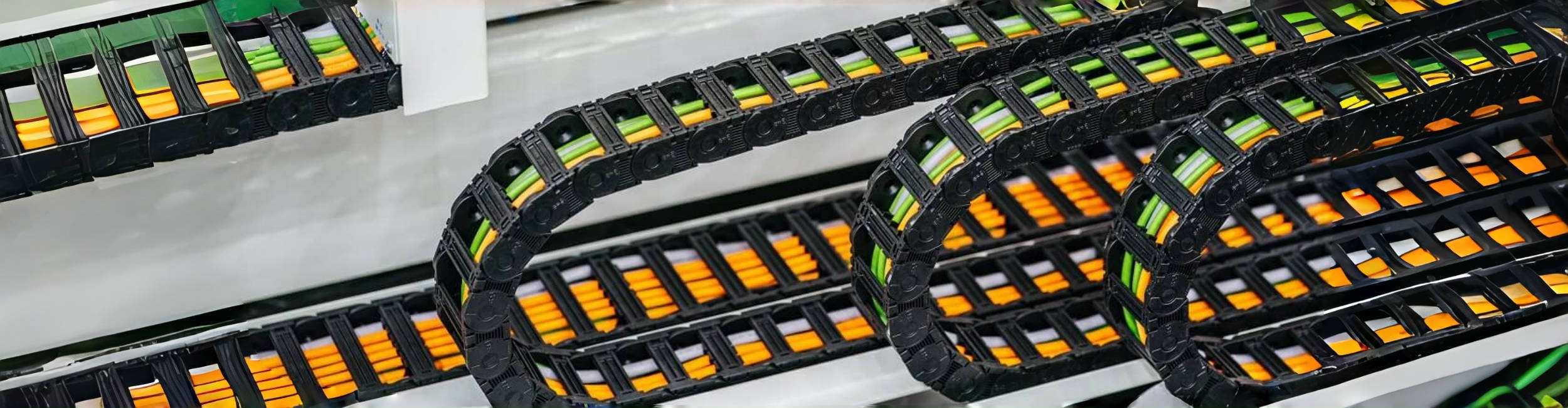
Plastic Drag Chains: A Vital Component in CNC Machining
Plastic Drag Chains: A Vital Component in CNC Machining Table of Contents 1. Introduction to Plastic Drag Chains in CNC Machining 2. Understanding Drag Chains: Definition and Purpose 3. Key Design Features of Plastic Drag Chains 4. Advantages of Using Plastic Drag Chains in CNC Machines 5. Applications of Plastic Drag Chains in CNC Machining 6. Installation and Maintenance of Plas
2026-04-22
Plastic Drag Chains: A Vital Component in CNC Machining
Table of Contents
- 1. Introduction to Plastic Drag Chains in CNC Machining
- 2. Understanding Drag Chains: Definition and Purpose
- 3. Key Design Features of Plastic Drag Chains
- 4. Advantages of Using Plastic Drag Chains in CNC Machines
- 5. Applications of Plastic Drag Chains in CNC Machining
- 6. Installation and Maintenance of Plastic Drag Chains
- 7. Trends and Innovations in Plastic Drag Chains
- 8. Conclusion
- 9. Frequently Asked Questions
1. Introduction to Plastic Drag Chains in CNC Machining
In the realm of CNC machining, efficiency and precision are paramount. **Plastic drag chains** play an essential role in facilitating these goals, acting as protective conduits for cables and hoses. They ensure smooth movement of essential components within machinery, preventing wear and tear. This article elucidates the significance of plastic drag chains in CNC environments, exploring their design, advantages, and various applications across the manufacturing landscape.
2. Understanding Drag Chains: Definition and Purpose
Plastic drag chains, often referred to as energy chains or cable carriers, are specialized structures designed to house and protect cables, wires, and pneumatic hoses in dynamic environments. Their primary purpose is to provide a consistent pathway for energy transfer systems, ensuring that cables are secured and organized during machine movement.
2.1 Function of Plastic Drag Chains
The function of plastic drag chains extends beyond mere cable housing; they are critical in minimizing friction and wear during machine operation. These chains allow for **free movement** in multiple axes, significantly enhancing the **flexibility** of robotic and CNC systems.
2.2 Components of Drag Chains
A typical plastic drag chain consists of multiple links connected, allowing for bending and rotation. Each link is crafted from durable plastic materials, engineered to withstand mechanical stress and environmental factors. The various components include:
- **Outer Shell**: Provides protection and structural integrity.
- **Inner Divider**: Segments the chain to accommodate multiple cables and hoses.
- **End Fittings**: Facilitate easy attachment to machinery, securing the chain in place.
3. Key Design Features of Plastic Drag Chains
Understanding the design features is crucial for selecting the right drag chain for specific CNC applications. Here are several noteworthy aspects:
3.1 Material Composition
Most plastic drag chains are made from high-quality engineering plastics, such as **polyamide** and **polypropylene**, which offer excellent durability and resistance to abrasion, chemicals, and temperature fluctuations.
3.2 Flexibility and Range of Motion
Modern plastic drag chains are engineered for enhanced flexibility, allowing them to adapt to various movements without kinking or jamming. They can handle **linear**, **rotational**, and **3D motions**, making them suitable for a wide range of applications.
3.3 Noise Reduction Features
Advanced design features often include noise dampening elements, which reduce operational noise during movement. This contributes to a more pleasant working environment and can enhance machine longevity.
4. Advantages of Using Plastic Drag Chains in CNC Machines
Plastic drag chains offer numerous advantages that contribute to their widespread adoption in CNC machining:
4.1 Enhanced Cable Protection
One of the most significant benefits of plastic drag chains is the protection they offer to cables and hoses. By encasing them within a structured pathway, the risk of damage due to mechanical stress is significantly reduced.
4.2 Improved Efficiency and Productivity
With organized cables and hoses, CNC machines operate more efficiently. Plastic drag chains eliminate tangling and snagging, ensuring uninterrupted workflow, which directly increases productivity.
4.3 Cost-Effectiveness
Investing in plastic drag chains can lead to long-term cost savings. Reduced wear on cables leads to fewer replacements, and the enhanced efficiency can cut operational costs overall.
5. Applications of Plastic Drag Chains in CNC Machining
Plastic drag chains find applications across various domains within CNC machining, enhancing functionality and efficiency:
5.1 CNC Milling Machines
In CNC milling machines, drag chains protect the cables that power moving parts. Their ability to handle multi-directional movement is crucial for maintaining precision in milling operations.
5.2 Robotic Automation
Robots equipped with plastic drag chains benefit from organized power supply pathways, facilitating smoother movements and reducing the likelihood of mechanical failures.
5.3 Laser Cutting Machines
In laser cutting applications, drag chains safeguard sensitive cables from damage, ensuring optimal performance and reducing downtime.
6. Installation and Maintenance of Plastic Drag Chains
Proper installation and maintenance are key to maximizing the lifespan and efficiency of plastic drag chains:
6.1 Installation Process
Installing plastic drag chains involves securing the end fittings to the machine and routing cables correctly within the chain. **Careful attention to bending radii** and movement limitations is essential to ensure optimal performance.
6.2 Regular Maintenance Checks
Routine inspections should include checking for wear on the chain links and ensuring that cables are not fraying. Regular maintenance can prevent failures and prolong the life of both the drag chain and the connected cables.
7. Trends and Innovations in Plastic Drag Chains
The industry is witnessing several trends and innovations in the design and functionality of plastic drag chains:
7.1 Smart Drag Chains
With advancements in IoT, smart drag chains equipped with sensors can monitor the status of cables in real-time, alerting operators to potential issues before they lead to failures.
7.2 Customizable Designs
Manufacturers are increasingly offering customizable drag chains to meet specific application requirements, including size, flexibility, and color, allowing for enhanced integration into various machines.
8. Conclusion
Plastic drag chains are indispensable components in CNC machining, providing essential protection and organization for cables and hoses that drive machine performance. Their numerous advantages, including improved efficiency, cost-effectiveness, and adaptability to various applications, make them a vital investment for any manufacturing operation. As trends in technology progress, the future of plastic drag chains looks promising, with innovations that will further enhance their functionality and reliability.
9. Frequently Asked Questions
9.1 What materials are used to manufacture plastic drag chains?
Plastic drag chains are typically made from high-performance plastics such as polyamide and polypropylene, known for their durability and resistance to wear.
9.2 How do I determine the right size drag chain for my CNC machine?
Choosing the right size involves assessing the diameter and number of cables you intend to route, as well as the specific movement requirements of your machine.
9.3 Can drag chains be used in outdoor applications?
While some plastic drag chains are designed for outdoor use, it’s essential to choose materials that are UV resistant and suitable for the specific environmental conditions.
9.4 How often should drag chains be inspected or replaced?
Regular inspections should occur at least every few months, with replacement considered when wear is evident or if operational efficiency declines.
9.5 Are there drag chains designed for high-speed applications?
Yes, there are specialized plastic drag chains designed to handle high-speed applications, which feature enhanced flexibility and reduced friction for optimal performance.
Related News

Maximizing Efficiency with Cable Drag Chains in Manufacturing
In the realm of manufacturing and machining, the need for organized, efficient, and safe cable management is paramount. This is where cable drag chains come into play. A cable drag chain is designed to house and protect cables, hoses, and other components, allowing for smooth, unhindered movement in machinery. With a variety of designs and configurations available, they cater to specific requireme
How to Troubleshoot Issues with Your Plastic Drag Chain Table of Contents Understanding Plastic Drag Chains Common Issues with Plastic Drag Chains Identifying the Symptoms of Drag Chain Failure Step-by-Step Troubleshooting Guide Preventative Maintenance Tips for Plastic Drag Chains When to Replace Your Drag Chain Best Practices for Installing Drag Chains Conclusion
Subscribe to
Get the latest information on company products


Contact
Add: 14-2,Liandong U Valley,Manufacturing Industrial Park,Tangxia Town,Pengjiang District,Jiangmen City Guangdong Province, China