Krius Intelligent Manufacturing (Jiangmen) Co., Ltd.

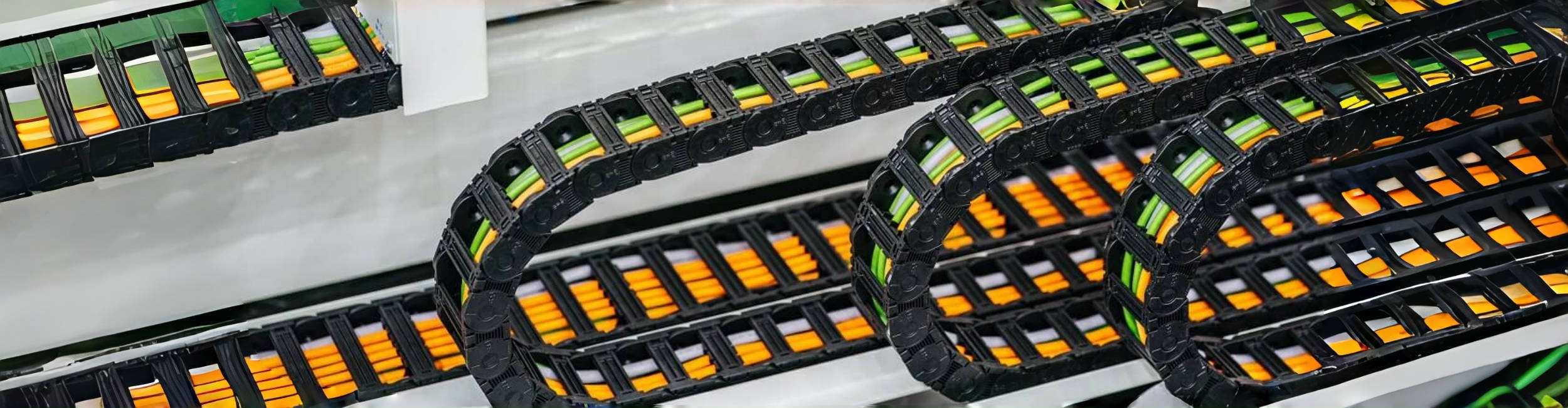
Exploring the Essential Role of Plastic Cable Drag Chains in Robotics Applications
Exploring the Essential Role of Plastic Cable Drag Chains in Robotics Applications Table of Contents 1. Introduction to Plastic Cable Drag Chains 2. Understanding Plastic Cable Drag Chains 3. Importance of Plastic Cable Drag Chains in Robotics 4. Key Design Features of Plastic Cable Drag Chains 5. Benefits of Using Plastic Cable Drag Chains in Robotics 6. Applications of P
2026-04-24
Exploring the Essential Role of Plastic Cable Drag Chains in Robotics Applications
Table of Contents
- 1. Introduction to Plastic Cable Drag Chains
- 2. Understanding Plastic Cable Drag Chains
- 3. Importance of Plastic Cable Drag Chains in Robotics
- 4. Key Design Features of Plastic Cable Drag Chains
- 5. Benefits of Using Plastic Cable Drag Chains in Robotics
- 6. Applications of Plastic Cable Drag Chains in Robotics
- 7. Comparison between Plastic and Metal Drag Chains
- 8. Maintenance Tips for Plastic Cable Drag Chains
- 9. Future Trends in Drag Chain Technology
- 10. Conclusion
- 11. Frequently Asked Questions
1. Introduction to Plastic Cable Drag Chains
In the realm of robotics, ensuring seamless movement and cable management is critical for optimal performance. **Plastic cable drag chains** serve as a vital component in this domain, providing protection and organization for cables and hoses used in robotic systems. By facilitating smooth motion and minimizing wear, these drag chains contribute significantly to the longevity and efficiency of robotic equipment.
2. Understanding Plastic Cable Drag Chains
Plastic cable drag chains, often referred to as energy chains, are specialized devices designed to guide and protect flexible cables and hoses in dynamic applications. The construction consists of linked segments that allow for bending and twisting without compromising the integrity of the cables housed within.
These chains are engineered to withstand harsh environments while maintaining flexibility, making them ideal for various applications in robotics, manufacturing, and automation.
3. Importance of Plastic Cable Drag Chains in Robotics
The role of plastic cable drag chains in robotics cannot be overstated. They provide the following critical functions:
- **Cable Management**: By organizing and protecting cables, drag chains minimize the risk of tangling and damage, which can lead to costly downtime.
- **Enhanced Mobility**: Drag chains allow for unrestricted movement, accommodating the dynamic motions of robotic arms and other automated systems.
- **Increased Lifespan**: By reducing friction and wear on cables and hoses, these systems prolong the lifespan of vital components, ultimately lowering maintenance costs.
4. Key Design Features of Plastic Cable Drag Chains
Understanding the design features of plastic cable drag chains is essential for selecting the right product for specific robotics applications. Here are some key elements to consider:
4.1 Material Composition
Plastic drag chains are commonly made from high-performance polymers such as **polyamide (nylon)** or **polypropylene**, which contribute to their lightweight yet durable construction.
4.2 Link Design
The links of a drag chain are designed to allow for **flexibility and articulation**, enabling the chain to bend and twist as required by the robotic movements.
4.3 Mounting Options
Effective mounting solutions are integral to ensuring that the drag chain remains secure during operation. Various mounting brackets and attachments are available to accommodate different robotic designs.
4.4 Size and Capacity
Drag chains come in various sizes, allowing for customization based on the volume and type of cables being managed. Manufacturers often provide load capacity specifications to help engineers select the appropriate chain for their applications.
5. Benefits of Using Plastic Cable Drag Chains in Robotics
Incorporating plastic cable drag chains into robotic systems offers several advantages:
5.1 Cost-Effectiveness
While initially more expensive than traditional cable management solutions, the long-term savings from reduced wear and tear on cables and lower maintenance costs make drag chains a cost-effective choice.
5.2 Noise Reduction
Plastic drag chains generally produce less noise than metal alternatives, contributing to a quieter working environment, which can enhance operator comfort and concentration.
5.3 Resistance to Chemicals and Environmental Factors
Many plastic drag chains are engineered to resist various chemicals, oils, and temperature extremes, making them suitable for a wide range of industrial applications.
6. Applications of Plastic Cable Drag Chains in Robotics
The versatility of plastic cable drag chains allows them to be employed in diverse robotics applications, including:
6.1 Industrial Automation
In manufacturing environments, plastic drag chains guide cables for robotic arms that perform tasks like welding, painting, and assembly.
6.2 Material Handling Robots
In warehouses and distribution centers, these chains are used in automated guided vehicles (AGVs) that transport goods, ensuring cables remain intact during movement.
6.3 Medical Robotics
In medical settings, robotic surgical systems utilize drag chains to manage cables while ensuring patient safety and equipment reliability.
6.4 Laboratory Robotics
Laboratory automation systems benefit from drag chains that protect sensitive cables while maintaining flexibility during complex analytical processes.
7. Comparison between Plastic and Metal Drag Chains
When selecting drag chains for robotics applications, it is essential to consider the differences between plastic and metal options:
7.1 Weight
Plastic chains are generally lighter than metal chains, which can enhance the overall efficiency of the robotic system.
7.2 Flexibility
Plastic chains offer superior flexibility compared to their metal counterparts, allowing for more complex movements without risking damage.
7.3 Cost
While metal chains may have a lower upfront cost, the long-term benefits and durability of plastic chains often justify their investment.
8. Maintenance Tips for Plastic Cable Drag Chains
To ensure optimal performance and longevity, regular maintenance of plastic cable drag chains is essential. Here are some tips:
8.1 Regular Inspections
Conduct visual inspections of the drag chains to identify any signs of wear or damage, ensuring that potential issues are addressed before they escalate.
8.2 Keep Clean
Debris can accumulate within the drag chain, leading to friction and wear. Regular cleaning helps maintain its functionality.
8.3 Lubrication
Some applications may require lubrication of the chain's pivot points to reduce friction and enhance movement.
9. Future Trends in Drag Chain Technology
As technology continues to evolve, so too does the design and functionality of plastic cable drag chains. Anticipated trends include:
9.1 Smart Drag Chains
The integration of smart technology into drag chains may lead to real-time monitoring and diagnostics, allowing for predictive maintenance and enhanced performance.
9.2 Sustainability
With growing environmental concerns, manufacturers are exploring biodegradable materials and recycling options for drag chains to reduce their ecological footprint.
9.3 Customization
As robotics applications become more specialized, the demand for customized drag chains that cater to specific needs will increase, leading to innovative designs and materials.
10. Conclusion
Plastic cable drag chains are indispensable in the world of robotics, providing essential support for cable management and protection. Their unique properties, coupled with their numerous advantages, make them an ideal choice for various applications in industrial automation, material handling, medical robotics, and laboratory automation. As technology advances, the role of drag chains will only expand, paving the way for more efficient and reliable robotic systems.
11. Frequently Asked Questions
11.1 What are plastic cable drag chains made of?
Plastic cable drag chains are typically constructed from high-performance polymers like nylon or polypropylene, providing durability and flexibility.
11.2 How do I choose the right size drag chain for my application?
Selecting the right size involves considering the volume and type of cables and hoses to be managed, along with the required bending radius.
11.3 Are plastic drag chains more cost-effective than metal chains?
While they may have a higher initial cost, the long-term savings from reduced cable wear and lower maintenance needs often make plastic drag chains more cost-effective.
11.4 Do plastic drag chains require maintenance?
Yes, regular inspections, cleaning, and occasional lubrication can help maximize the performance and longevity of plastic cable drag chains.
11.5 What advancements are expected in drag chain technology?
Future trends may include smart technology integration, sustainability efforts, and increased customization to suit specific robotics applications.
Related News

Maximizing Efficiency with Cable Drag Chains in Manufacturing
In the realm of manufacturing and machining, the need for organized, efficient, and safe cable management is paramount. This is where cable drag chains come into play. A cable drag chain is designed to house and protect cables, hoses, and other components, allowing for smooth, unhindered movement in machinery. With a variety of designs and configurations available, they cater to specific requireme
How to Troubleshoot Issues with Your Plastic Drag Chain Table of Contents Understanding Plastic Drag Chains Common Issues with Plastic Drag Chains Identifying the Symptoms of Drag Chain Failure Step-by-Step Troubleshooting Guide Preventative Maintenance Tips for Plastic Drag Chains When to Replace Your Drag Chain Best Practices for Installing Drag Chains Conclusion
Subscribe to
Get the latest information on company products


Contact
Add: 14-2,Liandong U Valley,Manufacturing Industrial Park,Tangxia Town,Pengjiang District,Jiangmen City Guangdong Province, China