Krius Intelligent Manufacturing (Jiangmen) Co., Ltd.

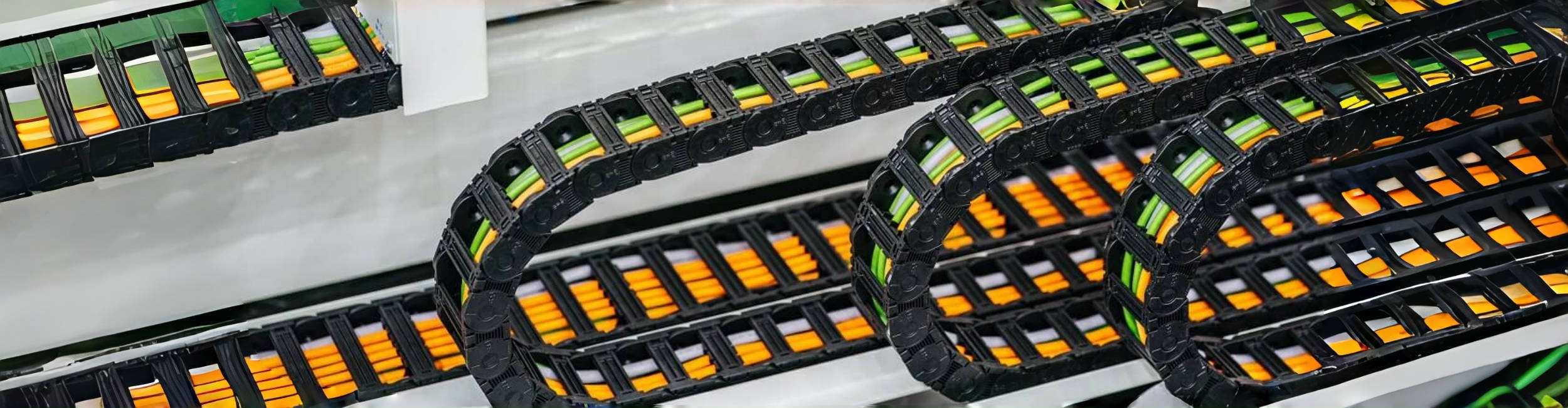
Cable Drag Chains: Enhancing Mobility in Automated Systems for Manufacturing and Machinery
Cable Drag Chains: Enhancing Mobility in Automated Systems Table of Contents 1. Introduction to Cable Drag Chains 2. What Are Cable Drag Chains? 3. Key Benefits of Cable Drag Chains 4. Applications of Cable Drag Chains in Manufacturing 5. How to Choose the Right Cable Drag Chain 6. Installation and Maintenance of Cable Drag Chains 7. Troubleshooting Common Issues with
2026-03-27
Cable Drag Chains: Enhancing Mobility in Automated Systems
Table of Contents
- 1. Introduction to Cable Drag Chains
- 2. What Are Cable Drag Chains?
- 3. Key Benefits of Cable Drag Chains
- 4. Applications of Cable Drag Chains in Manufacturing
- 5. How to Choose the Right Cable Drag Chain
- 6. Installation and Maintenance of Cable Drag Chains
- 7. Troubleshooting Common Issues with Cable Drag Chains
- 8. The Future of Cable Drag Chains in Automated Systems
- 9. Conclusion
- 10. Frequently Asked Questions
1. Introduction to Cable Drag Chains
In the realm of automated systems, **cable drag chains** have emerged as a transformative component, particularly within the manufacturing sector. These mechanisms are designed to guide and protect cables and hoses, allowing for **uninterrupted mobility** in equipment with high movement needs. Whether integrated into robotic arms, CNC machines, or conveyor systems, cable drag chains play a critical role in enhancing efficiency and safety.
2. What Are Cable Drag Chains?
Cable drag chains, also known as energy chains, are flexible systems that house and organize cables and hoses in an orderly manner. They are engineered to **accommodate various types of electrical and fluid connections**, enabling smooth movement across machines and systems. Typically made from durable materials such as **plastic or metal**, these chains are designed to withstand wear, impact, and environmental factors.
###
The Structure of Cable Drag Chains
Cable drag chains consist of links that connect together, forming a continuous loop. This structure allows them to flex and bend without damaging the internal cables. The links can be customized in size and shape to fit different applications, ensuring that they provide the necessary support and protection.
###
Types of Cable Drag Chains
There are several types of cable drag chains, each designed for specific applications:
- **Open Chains**: Allow for easy access and installation of cables.
- **Closed Chains**: Provide maximum protection for cables, ideal for harsh environments.
- **Heavy-Duty Chains**: Designed for high-load applications, offering superior strength and durability.
3. Key Benefits of Cable Drag Chains
The integration of cable drag chains into automated systems offers numerous advantages:
###
Enhanced Mobility
Cable drag chains streamline the movement of cables and hoses, reducing tangling and friction. This enhances the overall mobility of machinery, which is crucial in high-speed production environments.
###
Improved Safety
By organizing cables and hoses, cable drag chains minimize the risk of accidents caused by tripping over loose lines. They ensure that all connections are secure and protected from external damage.
###
Increased Equipment Longevity
Cable drag chains protect cables from abrasion, bending, and other forms of wear, significantly extending their lifespan. This proactive approach to maintenance can reduce operational costs associated with frequent replacements.
###
Environmental Protection
In harsh manufacturing environments, cable drag chains shield cables from contaminants like dust, moisture, and chemicals, which can degrade performance over time.
4. Applications of Cable Drag Chains in Manufacturing
The versatility of cable drag chains enables their use in various manufacturing applications, enhancing system performance across the board.
###
Robotics
In robotic systems, cable drag chains ensure that power and signal cables follow the movement of robotic arms without hindrance, facilitating seamless operations.
###
CNC Machines
CNC machines benefit from cable drag chains by maintaining organized wiring and preventing cable wear during repeated movements, ensuring consistent precision in manufacturing.
###
Conveyor Systems
In conveyor systems, cable drag chains support the movement of control and power cables, ensuring that these critical connections remain intact, even during heavy usage.
###
Automated Guided Vehicles (AGVs)
AGVs utilize cable drag chains to manage the power and data connections that keep them operational, enhancing their mobility and reducing maintenance issues.
5. How to Choose the Right Cable Drag Chain
Selecting the appropriate cable drag chain for your application involves several considerations:
###
Load Capacity
Evaluate the load requirements of your machinery to ensure the chain can handle the weight of the cables and hoses without risk of failure.
###
Environmental Factors
Consider the operational environment. For instance, if the system will be exposed to extreme temperatures or aggressive chemicals, choose materials that can withstand these conditions.
###
Flexibility and Movement
Determine the range of motion required for your application. Choose a design that offers sufficient flexibility for the specific movements of your machinery.
###
Customization Options
Look for suppliers that offer customizable options to tailor the drag chain to your unique specifications, including length, width, and internal configuration.
6. Installation and Maintenance of Cable Drag Chains
Proper installation and regular maintenance are essential to ensure optimal performance of cable drag chains.
###
Installation Steps
1. **Assess the System**: Analyze the layout and movement patterns of your machinery.
2. **Measure and Cut**: Measure the required length and cut the drag chain accordingly.
3. **Secure Mounting**: Attach the drag chain securely to its mounting points using appropriate fasteners.
4. **Load Cables**: Carefully load the cables into the drag chain, ensuring they are placed without undue tension or bends.
###
Maintenance Tips
- Regularly inspect the drag chains for wear and tear.
- Ensure cables are properly seated and not pinched or overextended.
- Clean the chains periodically to remove debris and contaminants.
7. Troubleshooting Common Issues with Cable Drag Chains
Even the best systems can encounter problems. Here are common issues and how to address them:
###
Excessive Friction
If you notice increased friction, inspect the cables for proper installation. Ensure that they are not too tight or improperly routed.
###
Wear and Tear
Frequent wear can indicate that the drag chain is not suited for the application. Assess the load and environmental conditions, and consider a sturdier chain if necessary.
###
Noise During Operation
Unusual noises can signify that the cables are not moving freely. Check for obstructions and ensure that the chain is clean and well-lubricated.
8. The Future of Cable Drag Chains in Automated Systems
As technology continues to evolve, cable drag chains are likely to see significant advancements. Innovations may include:
###
Smart Technology Integration
Future drag chains may incorporate sensors that monitor cable wear and chain performance, allowing for predictive maintenance and automated alerts to prevent failures.
###
Enhanced Materials
Advancements in materials science could lead to lighter, more durable drag chains that offer even greater protection against environmental factors.
###
Increased Customization
As industries demand more tailored solutions, manufacturers may offer increasingly customizable drag chains to meet specific operational needs.
9. Conclusion
Cable drag chains are indispensable components in modern automated systems, offering unparalleled mobility, safety, and protection for cables and hoses. By understanding their structure, benefits, and applications, as well as adhering to proper installation and maintenance techniques, industries can greatly enhance their operational efficiency. As we look to the future, innovations will continue to shape the evolution of cable drag chains, ensuring they remain a vital part of manufacturing and machinery.
10. Frequently Asked Questions
###
What is the primary function of cable drag chains?
Cable drag chains primarily serve to organize, protect, and guide cables and hoses, facilitating smooth movement in automated systems.
###
Can cable drag chains be used in outdoor environments?
Yes, but it’s crucial to select chains made from materials that can withstand environmental conditions like UV exposure, moisture, and temperature fluctuations.
###
How often should cable drag chains be inspected?
Regular inspections should be conducted every few months, or more frequently in high-use environments, to ensure optimal performance and safety.
###
What materials are commonly used in cable drag chains?
Cable drag chains are typically made from materials such as plastic, steel, or aluminum, depending on the application and environmental requirements.
###
Can cable drag chains be customized for specific applications?
Yes, many manufacturers offer customization options for length, size, and internal configuration to suit particular applications and requirements.
Related News

Maximizing Efficiency with Cable Drag Chains in Manufacturing
In the realm of manufacturing and machining, the need for organized, efficient, and safe cable management is paramount. This is where cable drag chains come into play. A cable drag chain is designed to house and protect cables, hoses, and other components, allowing for smooth, unhindered movement in machinery. With a variety of designs and configurations available, they cater to specific requireme
How to Troubleshoot Issues with Your Plastic Drag Chain Table of Contents Understanding Plastic Drag Chains Common Issues with Plastic Drag Chains Identifying the Symptoms of Drag Chain Failure Step-by-Step Troubleshooting Guide Preventative Maintenance Tips for Plastic Drag Chains When to Replace Your Drag Chain Best Practices for Installing Drag Chains Conclusion
Subscribe to
Get the latest information on company products


Contact
Add: 14-2,Liandong U Valley,Manufacturing Industrial Park,Tangxia Town,Pengjiang District,Jiangmen City Guangdong Province, China