Krius Intelligent Manufacturing (Jiangmen) Co., Ltd.

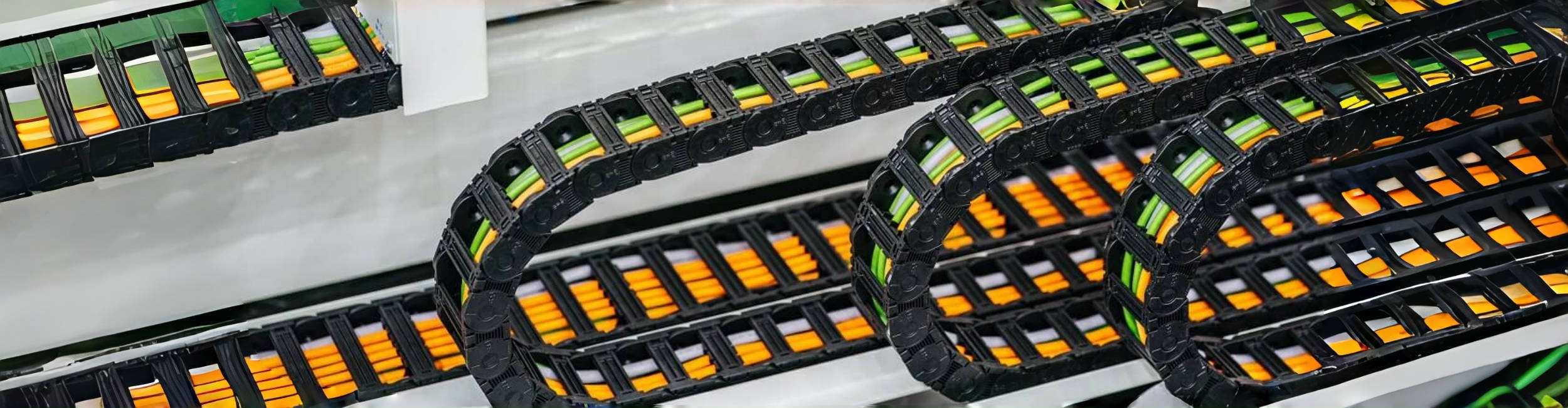
Enhancing Efficiency and Safety with Plastic Drag Chains in Machinery
Plastic drag chains are essential components in the realm of manufacturing and machining equipment, particularly in applications that require the organized routing of cables and hoses. These chains serve as protective conduits, ensuring that electrical wires, hydraulic hoses, and pneumatic tubes are secured and function without obstruction. By providing a structured pathway, plastic drag chains no
2026-03-28
One of the primary advantages of plastic drag chains is their lightweight nature. Unlike metal alternatives, plastic drag chains are easier to handle, which simplifies installation and maintenance. Their flexibility allows for easy routing in tight spaces, making them ideal for a variety of applications, from CNC machines to robotic arms. This adaptability is crucial in modern manufacturing settings, where space optimization can significantly impact productivity.
Another noteworthy feature of plastic drag chains is their resistance to wear and tear. Constructed from durable materials, they can withstand harsh operational environments, including exposure to oils, chemicals, and extreme temperatures. This resilience ensures that the drag chains maintain their integrity over time, minimizing the need for frequent replacements and reducing operational downtime.
Moreover, plastic drag chains come in various sizes and designs, allowing you to select the most suitable option for your specific application. This customization capability extends to the internal compartment sizing, which is critical for accommodating different types and sizes of cables and hoses. By effectively managing these components, drag chains help prevent tangling and friction, leading to smoother and safer operations.
In addition to their mechanical advantages, plastic drag chains contribute to safety in the workplace. By organizing cables and hoses away from moving parts, they reduce the risk of hazards associated with loose wires or hoses that can get caught in machinery. This organized setup not only protects the operators but also enhances the overall safety of the work environment.
To sum up, plastic drag chains play a pivotal role in the manufacturing process by ensuring that essential cables and hoses are protected, organized, and efficiently managed. Their lightweight and durable design, along with customizable options, makes them a practical choice for a wide range of machinery applications. By integrating plastic drag chains into your manufacturing equipment, you can enhance productivity, reduce maintenance costs, and create a safer working environment.
Related News

Maximizing Efficiency with Cable Drag Chains in Manufacturing
In the realm of manufacturing and machining, the need for organized, efficient, and safe cable management is paramount. This is where cable drag chains come into play. A cable drag chain is designed to house and protect cables, hoses, and other components, allowing for smooth, unhindered movement in machinery. With a variety of designs and configurations available, they cater to specific requireme
How to Troubleshoot Issues with Your Plastic Drag Chain Table of Contents Understanding Plastic Drag Chains Common Issues with Plastic Drag Chains Identifying the Symptoms of Drag Chain Failure Step-by-Step Troubleshooting Guide Preventative Maintenance Tips for Plastic Drag Chains When to Replace Your Drag Chain Best Practices for Installing Drag Chains Conclusion
Subscribe to
Get the latest information on company products


Contact
Add: 14-2,Liandong U Valley,Manufacturing Industrial Park,Tangxia Town,Pengjiang District,Jiangmen City Guangdong Province, China