Krius Intelligent Manufacturing (Jiangmen) Co., Ltd.

Understanding Nylon Drag Chains: A Comprehensive Guide for Manufacturing Professionals
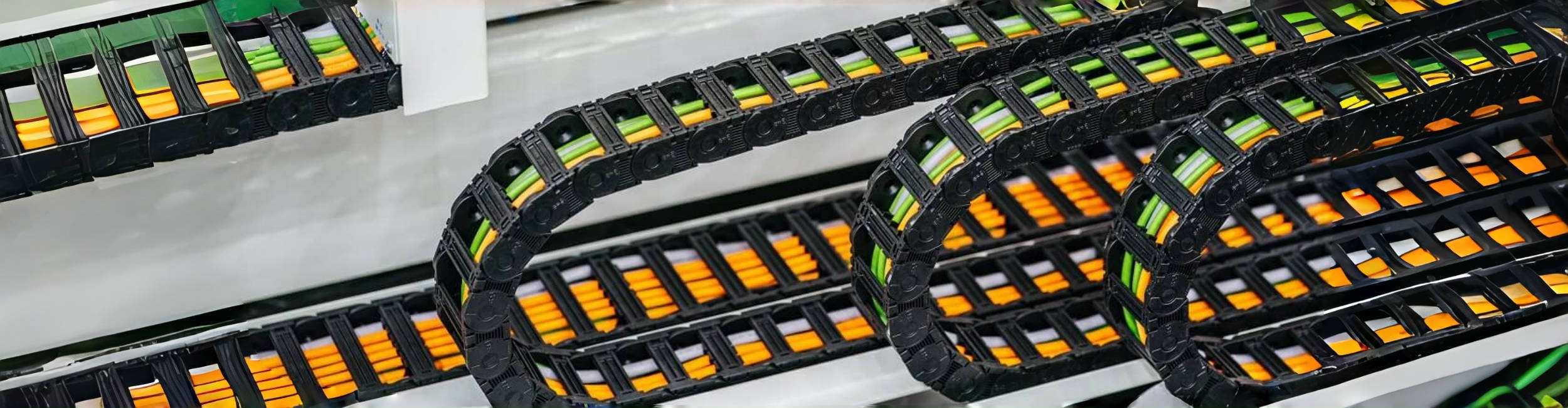
Nylon drag chains, also known as energy chains or drag links, are integral components in various manufacturing and machining processes. They are designed to manage and protect cables, hoses, and other flexible connections in moving machinery, ensuring safe and efficient operation. Understanding their features and benefits can significantly enhance productivity and equipment longevity in your opera
2026-03-26
One of the primary advantages of nylon drag chains is their lightweight yet durable construction. Nylon is known for its excellent resistance to wear and tear, which makes it an ideal material for environments where mechanical components experience constant movement. This durability translates into reduced maintenance costs and longer service life for both the drag chain and the cables it houses.
In addition to durability, nylon drag chains are designed with flexibility in mind. They can accommodate a wide range of cable types, including power, control, and data cables, allowing them to be utilized in various applications across different industries. Whether you're dealing with robotic arms, CNC machines, or conveyor systems, nylon drag chains are adaptable enough to meet the unique requirements of your setup.
Another important consideration is the ease of installation and routing provided by nylon drag chains. Many designs feature a modular approach, allowing for simple extension and customization based on specific project needs. When installed correctly, these chains help prevent tangling and damage to cables, which can lead to costly downtimes and safety hazards.
It is essential to maintain nylon drag chains to ensure their optimal performance. Regular inspection for signs of wear and any potential blockages is crucial. Additionally, lubricating the chains where necessary can enhance their movement and extend their lifespan. Keeping the drag chain clean and free of debris will also prevent unnecessary wear on both the chain and the cables enclosed within.
When selecting a nylon drag chain for your application, consider factors such as the required load capacity, the environment in which they will be used, and the specific cable types they need to accommodate. By assessing these elements, you can choose the most appropriate drag chain that will meet your operational needs effectively.
In conclusion, nylon drag chains offer excellent solutions for managing cables and hoses in manufacturing and machining environments. Their lightweight construction, durability, flexibility, and ease of maintenance make them a valuable choice for any professional looking to enhance the efficiency and safety of their machinery. Understanding the key features and benefits of nylon drag chains will ensure you make informed decisions that contribute to the success of your operations.
PREVIOUS:
Related News

Maximizing Efficiency with Cable Drag Chains in Manufacturing
In the realm of manufacturing and machining, the need for organized, efficient, and safe cable management is paramount. This is where cable drag chains come into play. A cable drag chain is designed to house and protect cables, hoses, and other components, allowing for smooth, unhindered movement in machinery. With a variety of designs and configurations available, they cater to specific requireme
How to Troubleshoot Issues with Your Plastic Drag Chain Table of Contents Understanding Plastic Drag Chains Common Issues with Plastic Drag Chains Identifying the Symptoms of Drag Chain Failure Step-by-Step Troubleshooting Guide Preventative Maintenance Tips for Plastic Drag Chains When to Replace Your Drag Chain Best Practices for Installing Drag Chains Conclusion
Subscribe to
Get the latest information on company products


Contact
Add: 14-2,Liandong U Valley,Manufacturing Industrial Park,Tangxia Town,Pengjiang District,Jiangmen City Guangdong Province, China