Krius Intelligent Manufacturing (Jiangmen) Co., Ltd.

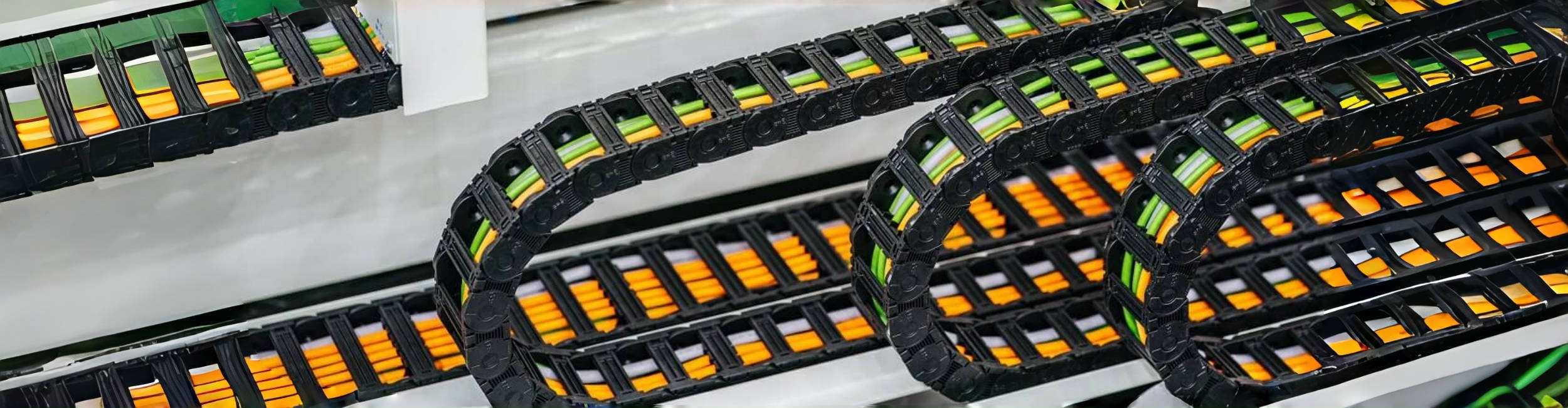
How to Select the Perfect Plastic Cable Drag Chain for Your Application
How to Select the Perfect Plastic Cable Drag Chain for Your Application Table of Contents Introduction to Plastic Cable Drag Chains Understanding Drag Chains: What to Know Types of Plastic Cable Drag Chains Material Considerations for Your Drag Chain Size and Dimensions: Getting It Right Environmental Factors That Affect Performance Installation and Maintenance of Drag Chains Comm
2026-03-25
How to Select the Perfect Plastic Cable Drag Chain for Your Application
Table of Contents
- Introduction to Plastic Cable Drag Chains
- Understanding Drag Chains: What to Know
- Types of Plastic Cable Drag Chains
- Material Considerations for Your Drag Chain
- Size and Dimensions: Getting It Right
- Environmental Factors That Affect Performance
- Installation and Maintenance of Drag Chains
- Common Applications for Plastic Cable Drag Chains
- Conclusion
- FAQs About Selecting Plastic Cable Drag Chains
Introduction to Plastic Cable Drag Chains
In the world of manufacturing and automation, **plastic cable drag chains** play an essential role in protecting and guiding cables and hoses in a variety of applications. These chains facilitate smooth movement and prevent tangling, ensuring operational efficiency. Understanding how to select the right drag chain for your specific needs is crucial for the longevity and performance of your machinery.
Understanding Drag Chains: What to Know
Before diving into the selection process, it’s important to understand what a **drag chain** is. Essentially, it is a flexible conduit that houses cables and hoses while allowing for controlled movement along a predetermined path. Unlike traditional cable management systems, drag chains are designed to withstand dynamic motion, making them ideal for numerous industrial applications.
Key Functions of Drag Chains
1. **Protection**: Drag chains shield cables from mechanical damage and environmental hazards.
2. **Organization**: They keep cables and hoses organized, reducing clutter and potential hazards in the work environment.
3. **Mobility**: Designed for dynamic environments, they allow for smooth movement of cables and hoses without tangling.
Types of Plastic Cable Drag Chains
Choosing the right type of plastic drag chain is vital for the efficiency of your application. Here are the common types available:
1. Open Drag Chains
Open drag chains have exposed links, allowing easy access for installation and maintenance. They are suitable for applications where the cables are frequently changed.
2. Closed Drag Chains
Closed drag chains are fully enclosed, offering maximum protection against dust, debris, and other contaminants, making them ideal for harsh environments.
3. Energy Chains
Energy chains are specialized drag chains designed to carry electrical cables and hoses in automated machinery. They allow for high flexibility and are usually found in CNC machines and robotic arms.
Material Considerations for Your Drag Chain
The material of the drag chain affects its durability and performance. Here are some common materials used in plastic drag chains:
1. Polyamide (Nylon)
Polyamide is known for its excellent mechanical properties and is often used in high-stress applications. It offers good impact resistance and can withstand a wide temperature range.
2. Polypropylene
This material is lightweight and provides good fatigue resistance. It's suitable for moderate applications and offers a competitive cost.
3. PEEK (Polyether Ether Ketone)
PEEK is a high-performance plastic that can withstand extreme temperatures and chemical exposure. It's ideal for specialized applications requiring enhanced durability.
Size and Dimensions: Getting It Right
Selecting the right size and dimensions for your drag chain is crucial. Here are factors to consider:
1. Cable Diameter
Measure the diameter of the cables and hoses that will be housed within the drag chain. Ensure that the internal dimensions of the chain exceed this measurement to allow for smooth movement.
2. Chain Length
Calculate the total length required based on the distance between the two points the chain will connect. This ensures that the drag chain can accommodate the complete range of motion.
3. Number of Cables
Consider how many cables or hoses you will be running through the drag chain. This will affect the width and overall design of the chain.
Environmental Factors That Affect Performance
The environment in which the drag chain operates can significantly impact its performance and lifespan. Here are some factors to keep in mind:
1. Temperature Extremes
Consider the operating temperature range. Choose materials that can withstand the specific temperature conditions of your application.
2. Chemical Exposure
If your application involves exposure to chemicals, select materials that are chemically resistant to avoid degradation.
3. Dust and Debris
In environments with high levels of dust or debris, opt for closed drag chains to protect the cables inside.
Installation and Maintenance of Drag Chains
Proper installation and maintenance of drag chains can enhance their lifespan and performance.
1. Installation Tips
- Ensure that the drag chain is mounted securely to prevent movement during operation.
- Allow for sufficient clearance and flexibility in the installation to accommodate the full range of motion.
2. Maintenance Guidelines
- Regularly inspect the drag chain for signs of wear or damage.
- Clean the chain periodically to remove dust and debris that can cause friction or damage.
Common Applications for Plastic Cable Drag Chains
Plastic cable drag chains are used in various applications across multiple industries. Some notable examples include:
1. CNC Machines
CNC machines often require drag chains to manage the numerous cables and hoses involved in their operation.
2. Robotics
In robotics, drag chains are essential for guiding electrical cables and hoses as the robot moves.
3. Packaging Machinery
Packaging machines utilize drag chains to ensure that electrical and pneumatic lines are organized and protected during automated processes.
Conclusion
Selecting the perfect plastic cable drag chain for your application is a multifaceted process that involves understanding the types, materials, sizes, and environmental factors at play. By taking the time to assess your specific needs and conditions, you can ensure that the drag chain you choose will provide optimal performance and durability.
With the right knowledge and careful consideration, you can enhance the efficiency of your operations and prolong the life of your equipment through effective cable management solutions.
FAQs About Selecting Plastic Cable Drag Chains
1. What are the primary functions of plastic cable drag chains?
Plastic cable drag chains primarily protect cables and hoses, keep them organized, and facilitate smooth mobility in dynamic environments.
2. How do I determine the right size for my drag chain?
Measure the diameter of the cables and hoses, calculate the required length based on the distance, and consider how many cables need to fit within the chain.
3. What materials are best for drag chains exposed to harsh environments?
Materials like PEEK are best suited for extreme temperatures and chemical exposure, while polyamide is ideal for high-stress applications.
4. How often should I inspect and maintain my drag chains?
Regular inspections should be conducted to check for wear and damage, with cleaning performed as needed to prevent buildup of dust and debris.
5. Can drag chains be used in outdoor applications?
Yes, but it is essential to choose drag chains made from UV-resistant materials if they will be exposed to sunlight for extended periods.
This comprehensive guide aims to equip you with all the necessary knowledge to select the perfect plastic cable drag chain for your specific application, helping you ensure optimal performance and longevity for your equipment.
Related News

Maximizing Efficiency with Cable Drag Chains in Manufacturing
In the realm of manufacturing and machining, the need for organized, efficient, and safe cable management is paramount. This is where cable drag chains come into play. A cable drag chain is designed to house and protect cables, hoses, and other components, allowing for smooth, unhindered movement in machinery. With a variety of designs and configurations available, they cater to specific requireme
How to Troubleshoot Issues with Your Plastic Drag Chain Table of Contents Understanding Plastic Drag Chains Common Issues with Plastic Drag Chains Identifying the Symptoms of Drag Chain Failure Step-by-Step Troubleshooting Guide Preventative Maintenance Tips for Plastic Drag Chains When to Replace Your Drag Chain Best Practices for Installing Drag Chains Conclusion
Subscribe to
Get the latest information on company products


Contact
Add: 14-2,Liandong U Valley,Manufacturing Industrial Park,Tangxia Town,Pengjiang District,Jiangmen City Guangdong Province, China