Krius Intelligent Manufacturing (Jiangmen) Co., Ltd.

Understanding Cable Drag Chains: A Comprehensive Guide for Manufacturing Professionals
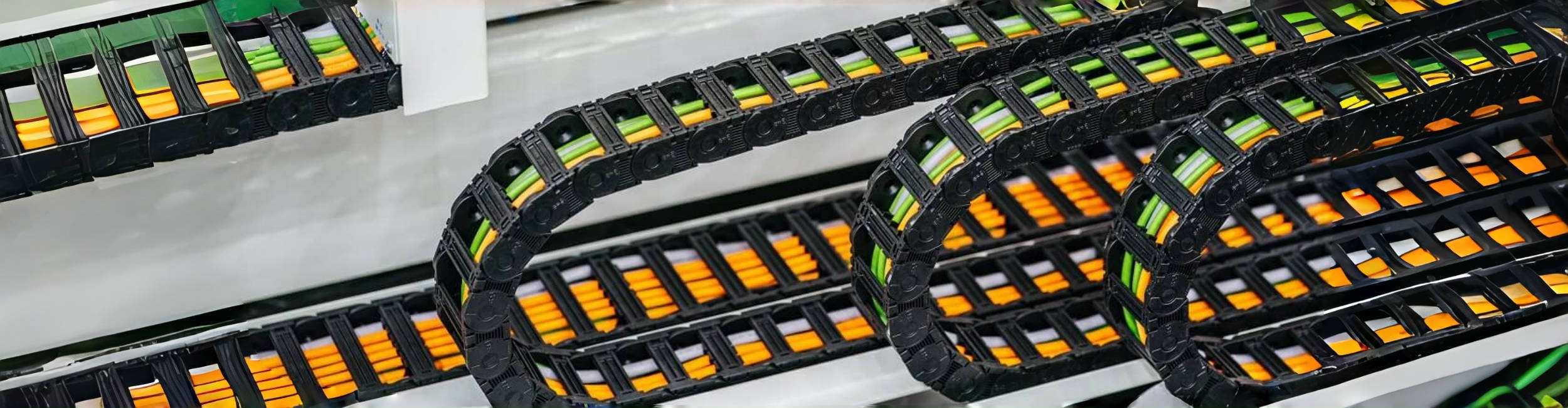
Cable drag chains, also known as energy chains, play a crucial role in modern manufacturing processes, particularly in the realm of machining and equipment attachments. These flexible conduits are designed to guide and protect moving cables and hoses in applications where motion occurs, such as CNC machines, robotic arms, and conveyor systems. Understanding their functionality, benefits, and insta
2026-03-22
One of the primary advantages of cable drag chains is their ability to reduce wear and tear on cables and hoses. By providing a controlled path for movement, these chains minimize friction and prevent tangling, thus extending the lifespan of the components they house. This not only enhances the reliability of machinery but also reduces maintenance costs associated with frequent replacements.
When selecting a cable drag chain, several factors should be considered. First, the environment in which the chain will operate is critical. Chains may need to withstand extreme temperatures, dust, or exposure to chemicals, influencing the material choice. Additionally, the chain's size and design must accommodate the specific cables and hoses being used, ensuring they fit comfortably without excessive tension or slack.
Another important consideration is the chain's flexibility and range of motion. Depending on the application, drag chains can be engineered to handle various bending radii and trajectories, which is particularly beneficial in dynamic installations. Professionals should assess the specific movement patterns of their machinery to choose the appropriate chain configuration that will facilitate smooth operation.
Installation is another aspect where careful planning is required. A well-designed drag chain system should be easy to install and maintain. It is advisable to consult with technical specifications and guidelines during the installation process to ensure optimal performance and longevity. Furthermore, regular inspections and maintenance checks can help identify any potential issues before they escalate, preserving the integrity of the entire system.
In conclusion, incorporating cable drag chains into manufacturing processes can significantly enhance operational efficiency and reduce downtime. By safeguarding cables and hoses while allowing for free movement, these systems improve overall productivity. For professionals in the manufacturing sector, understanding the capabilities and best practices associated with cable drag chains is essential for maximizing the performance of their machinery and ensuring sustained success in their operations.
Related News

Maximizing Efficiency: Choosing the Right Heavy Duty Tow Chain for Your Equipment
Maximizing Efficiency: Choosing the Right Heavy Duty Tow Chain for Your Equipment Table of Contents 1. Introduction 2. Understanding Heavy Duty Tow Chains 3. Types of Heavy Duty Tow Chains 4. Key Factors in Choosing a Tow Chain 5. Maintenance and Care of Tow Chains 6. Applications of Heavy Duty Tow Chains 7. Safety Considerations When Using Tow Chains 8. Frequently
Understanding Cable Drag Chains: Essential Components for Efficient Machinery Operation
Cable drag chains, also known as energy chains, play a vital role in the manufacturing and machining industry, particularly in the operation of machine tools and various automated systems. These chains are designed to manage and protect flexible cables and hoses as they move with the machinery, ensuring safety, efficiency, and longevity of the components involved. One of the primary functions of a
Subscribe to
Get the latest information on company products


Contact
Add: 14-2,Liandong U Valley,Manufacturing Industrial Park,Tangxia Town,Pengjiang District,Jiangmen City Guangdong Province, China