Krius Intelligent Manufacturing (Jiangmen) Co., Ltd.

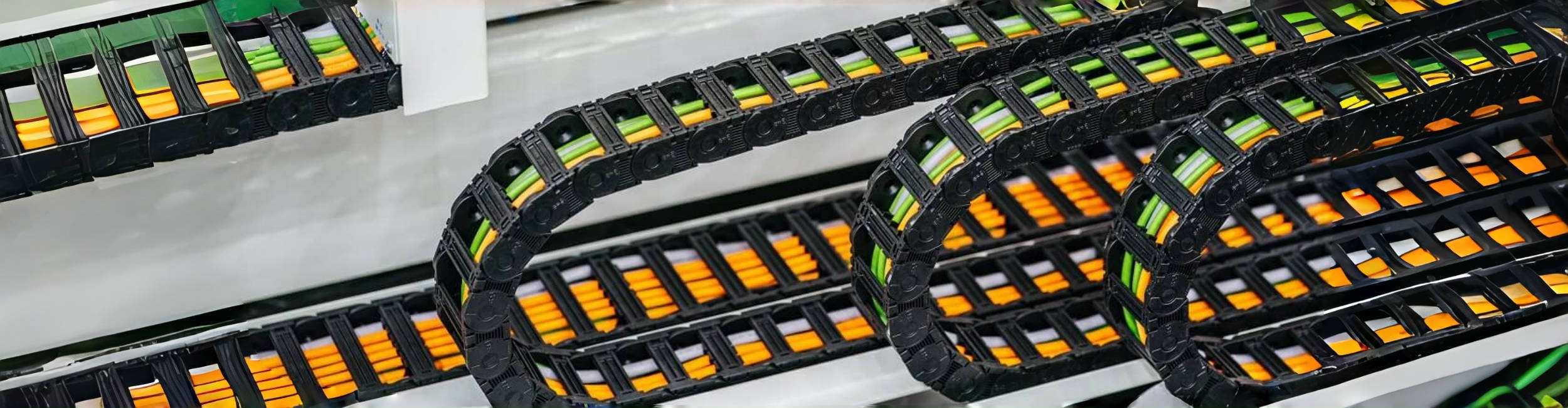
Innovative Designs: Why Plastic Drag Chains are the Future of Manufacturing
Innovative Designs: Why Plastic Drag Chains are the Future of Manufacturing Table of Contents 1. Introduction to Plastic Drag Chains 2. Understanding Drag Chains: What Are They? 3. Advantages of Plastic Drag Chains in Manufacturing 4. Innovative Designs in Plastic Drag Chains 5. Applications of Plastic Drag Chains in Industry 6. The Environmental Impact of Using Plasti
2026-03-23
Innovative Designs: Why Plastic Drag Chains are the Future of Manufacturing
Table of Contents
- 1. Introduction to Plastic Drag Chains
- 2. Understanding Drag Chains: What Are They?
- 3. Advantages of Plastic Drag Chains in Manufacturing
- 4. Innovative Designs in Plastic Drag Chains
- 5. Applications of Plastic Drag Chains in Industry
- 6. The Environmental Impact of Using Plastic Drag Chains
- 7. Future Trends in Drag Chain Technology
- 8. Frequently Asked Questions
- 9. Conclusion
1. Introduction to Plastic Drag Chains
In the ever-evolving landscape of manufacturing, **plastic drag chains** have emerged as a pivotal component in enhancing machinery efficiency. Their innovative designs and functional versatility make them an ideal choice for a wide range of industrial applications. As industries strive for advanced solutions to boost productivity and reduce downtime, plastic drag chains stand out as a sustainable and effective alternative to traditional metal chains.
2. Understanding Drag Chains: What Are They?
Drag chains are protective conduits that guide and manage cables, hoses, and other flexible elements within machinery. These chains are essential in various manufacturing processes, providing organization and reducing wear and tear on components. While metal drag chains have been the standard in the past, **plastic drag chains** have gained popularity due to their lightweight, flexible, and corrosion-resistant properties.
The Structure of Plastic Drag Chains
Plastic drag chains consist of interconnected links that can open and close, allowing for easy installation and maintenance. Their design accommodates multiple cables and hoses of different sizes, ensuring that manufacturing operations are streamlined and efficient. The **modular nature** of these chains allows for customization, catering to specific machinery requirements.
3. Advantages of Plastic Drag Chains in Manufacturing
The advantages of plastic drag chains over their metal counterparts are numerous, making them a preferred choice in many industries. Below are some key benefits:
Lightweight Design
**Plastic drag chains** are significantly lighter than metal chains, which reduces the overall weight of machinery. This lightweight nature enhances **energy efficiency**, as machines require less energy to operate.
Corrosion Resistance
Unlike metal chains that can rust or corrode over time, plastic drag chains are inherently resistant to chemicals, moisture, and environmental conditions. This property extends their lifespan and ensures consistent performance, thereby reducing replacement costs.
Noise Reduction
Plastic drag chains operate quietly compared to metal chains, contributing to a more pleasant working environment. The reduction in noise pollution is particularly beneficial in settings where noise regulation is a concern.
Flexibility and Versatility
The flexibility of plastic drag chains allows them to be used in various applications, adapting to different machinery configurations. They can accommodate twisting, bending, and lateral movements without compromising functionality.
4. Innovative Designs in Plastic Drag Chains
The evolution of plastic drag chains has given rise to innovative designs that cater to the unique demands of modern manufacturing. These designs focus on enhancing performance, durability, and ease of use.
Customizable Configurations
Manufacturers can customize drag chains to meet specific requirements, such as size, color, and material composition. This customization ensures that the drag chains fit seamlessly into existing machinery setups.
Integrated Support Features
Recent innovations incorporate integrated support features within the drag chain itself, providing additional stability and support for cables and hoses. These features reduce the risk of damage and enhance the overall reliability of the system.
Smart Connectivity
The incorporation of **smart technology** in drag chain designs allows for real-time monitoring of cable wear and system performance. This technology aids in predictive maintenance, minimizing downtime and enhancing operational efficiency.
5. Applications of Plastic Drag Chains in Industry
Plastic drag chains are utilized across various sectors, demonstrating their versatility and adaptability. Some common applications include:
Automotive Manufacturing
In automotive manufacturing, plastic drag chains are used to manage wiring harnesses and pneumatic hoses. Their lightweight and flexible design allows for efficient movement within robotic assembly lines.
Aerospace Industry
The aerospace industry benefits from the corrosion resistance of plastic drag chains, which are employed in managing wiring and control systems in aircraft. Their durability ensures safety and reliability in critical applications.
Food and Beverage Production
In food processing environments, plastic drag chains ensure hygienic handling of cables and hoses. They are designed to withstand harsh cleaning chemicals and conditions, maintaining safety standards in food production.
6. The Environmental Impact of Using Plastic Drag Chains
As sustainability becomes increasingly important in manufacturing, the use of plastic drag chains presents several environmental benefits.
Recyclability
Many plastic drag chains are made from recyclable materials, making them an eco-friendly choice for manufacturers. At the end of their lifecycle, these chains can be repurposed, reducing waste in landfills.
Energy Efficiency
The lightweight design of plastic drag chains contributes to lower energy consumption in machinery. This efficiency not only reduces operational costs but also minimizes the overall carbon footprint of manufacturing processes.
7. Future Trends in Drag Chain Technology
The future of plastic drag chains is promising, with ongoing advancements in materials and technology.
Advanced Materials
Research into new, more durable materials will lead to the creation of even more resilient plastic drag chains. Innovations such as reinforced composites may enhance strength while maintaining lightweight properties.
Increased Automation
As industries continue to automate, the demand for smart drag chain designs will grow. Implementation of IoT (Internet of Things) capabilities will enable manufacturers to track performance and optimize maintenance processes in real-time.
8. Frequently Asked Questions
What are plastic drag chains made from?
Plastic drag chains are typically made from high-performance polymers, such as nylon or polypropylene, which offer excellent durability, flexibility, and resistance to wear.
Can plastic drag chains be used in high-temperature environments?
Yes, many modern plastic drag chains are designed to withstand high temperatures, making them suitable for various industrial applications. However, it’s essential to check the manufacturer’s specifications for temperature ratings.
How do I maintain plastic drag chains?
Regular inspections should be conducted to check for wear and tear. Cleaning the chains to remove debris and ensuring proper lubrication can also enhance their lifespan and performance.
Are plastic drag chains cost-effective?
While the initial investment may be slightly higher than traditional metal chains, the long-term benefits of reduced maintenance, energy efficiency, and durability make plastic drag chains a cost-effective solution.
Where can I purchase plastic drag chains?
Plastic drag chains can be purchased from various industrial suppliers and manufacturers, both online and offline. It's advisable to choose reputable suppliers to ensure quality and compatibility with your machinery.
9. Conclusion
Plastic drag chains represent the future of manufacturing, offering innovative designs that prioritize efficiency, sustainability, and versatility. As industries increasingly embrace these advancements, the role of plastic drag chains will only continue to grow. Their numerous advantages make them an indispensable component in the quest for enhanced manufacturing performance. By investing in plastic drag chains, manufacturers not only improve their operations but also contribute to a more sustainable industrial future.
Related News

Maximizing Efficiency: Choosing the Right Heavy Duty Tow Chain for Your Equipment
Maximizing Efficiency: Choosing the Right Heavy Duty Tow Chain for Your Equipment Table of Contents 1. Introduction 2. Understanding Heavy Duty Tow Chains 3. Types of Heavy Duty Tow Chains 4. Key Factors in Choosing a Tow Chain 5. Maintenance and Care of Tow Chains 6. Applications of Heavy Duty Tow Chains 7. Safety Considerations When Using Tow Chains 8. Frequently
Understanding Cable Drag Chains: Essential Components for Efficient Machinery Operation
Cable drag chains, also known as energy chains, play a vital role in the manufacturing and machining industry, particularly in the operation of machine tools and various automated systems. These chains are designed to manage and protect flexible cables and hoses as they move with the machinery, ensuring safety, efficiency, and longevity of the components involved. One of the primary functions of a
Subscribe to
Get the latest information on company products


Contact
Add: 14-2,Liandong U Valley,Manufacturing Industrial Park,Tangxia Town,Pengjiang District,Jiangmen City Guangdong Province, China