Krius Intelligent Manufacturing (Jiangmen) Co., Ltd.

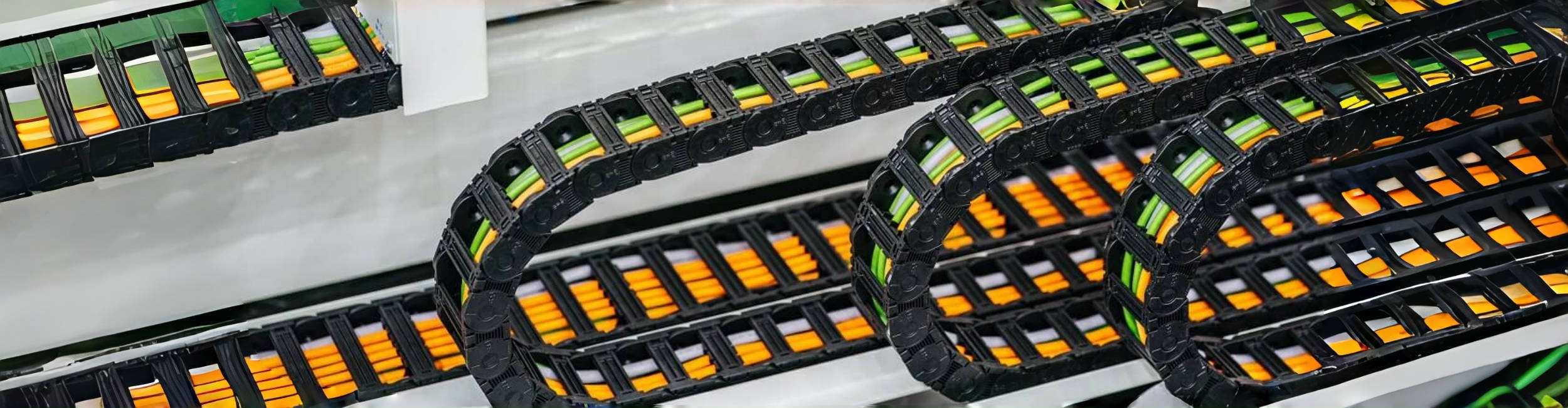
The Importance of Nylon Drag Chains in Robotics and Automation
The Importance of Nylon Drag Chains in Robotics and Automation Table of Contents 1. Introduction to Nylon Drag Chains 2. What Are Nylon Drag Chains? 3. Benefits of Using Nylon Drag Chains in Robotics 4. Applications of Nylon Drag Chains in Automation 5. Materials and Designs of Nylon Drag Chains 6. Choosing the Right Nylon Drag Chain for Your Needs 7. Future Trends in
2026-03-21
The Importance of Nylon Drag Chains in Robotics and Automation
Table of Contents
- 1. Introduction to Nylon Drag Chains
- 2. What Are Nylon Drag Chains?
- 3. Benefits of Using Nylon Drag Chains in Robotics
- 4. Applications of Nylon Drag Chains in Automation
- 5. Materials and Designs of Nylon Drag Chains
- 6. Choosing the Right Nylon Drag Chain for Your Needs
- 7. Future Trends in Nylon Drag Chains and Robotics
- 8. FAQs About Nylon Drag Chains
- 9. Conclusion
1. Introduction to Nylon Drag Chains
In the rapidly evolving world of **robotics and automation**, components must be both functional and reliable. One such component that has gained prominence is the **nylon drag chain**. These critical elements facilitate the organized management of cables and hoses in machinery, ensuring optimal performance and longevity in various applications. By understanding the importance of nylon drag chains, we can appreciate their role in improving the efficiency and safety of robotic systems.
2. What Are Nylon Drag Chains?
Nylon drag chains, also referred to as energy chains or cable carriers, are designed to protect and guide cables and hoses in moving applications. Made from high-quality **nylon materials**, these drag chains are flexible yet robust, making them suitable for various environments and machinery. They are especially vital in applications where repetitive motion is present, such as in robotic arms, CNC machines, and assembly lines.
The design of nylon drag chains allows for easy installation and maintenance. They come in various sizes and shapes, providing adaptability to meet specific needs. Whether used in industrial robots or automated conveyor systems, these drag chains are essential for ensuring that cables remain untangled and maintained.
3. Benefits of Using Nylon Drag Chains in Robotics
Integrating nylon drag chains into robotic systems and automation offers several significant benefits:
3.1 Enhanced Durability
Nylon is known for its **high tensile strength** and resistance to wear and tear. This durability ensures that the drag chains can withstand harsh working conditions, such as extreme temperatures, chemical exposure, and mechanical stress.
3.2 Flexibility and Versatility
The flexibility of nylon drag chains allows them to be configured in various shapes and paths, accommodating different machinery layouts. This versatility makes them suitable for a wide range of applications, from small robotic arms to large industrial machines.
3.3 Reduced Maintenance Costs
By keeping cables organized and protected, nylon drag chains minimize the risk of damage and the need for frequent replacements. This results in lower maintenance costs and increased uptime for machinery.
3.4 Improved Safety
Nylon drag chains help prevent cable tangling and snagging, which can pose safety hazards for operators and equipment. By ensuring that cables are properly routed, the risk of accidents is significantly reduced.
3.5 Enhanced Performance
Proper cable management contributes to the overall efficiency of robotic systems. When cables are securely housed within drag chains, robots can operate smoothly and with greater precision, leading to improved productivity.
4. Applications of Nylon Drag Chains in Automation
Nylon drag chains find their application across various sectors in automation, including:
4.1 Manufacturing
In manufacturing environments, nylon drag chains are commonly used in CNC machines, robotic welding systems, and assembly lines. They help ensure that cables do not obstruct movement, allowing for seamless operation.
4.2 Material Handling
Automated guided vehicles (AGVs) and conveyor systems utilize nylon drag chains to manage cables for power and communication. This application ensures that the vehicles can move freely without the risk of damaging cables.
4.3 Robotics
In robotics, nylon drag chains are vital for managing power and data cables in robotic arms and automated systems. Their flexibility allows robots to perform complex movements without restriction.
4.4 Aerospace and Automotive
In the aerospace and automotive industries, nylon drag chains are used to protect cables in moving parts, such as wings and engines, where reliability is paramount.
4.5 Medical Equipment
In medical applications, nylon drag chains are used in devices such as MRI machines and robotic surgical instruments, where precision and safety are critical.
5. Materials and Designs of Nylon Drag Chains
The construction of nylon drag chains involves various materials and designs, each serving specific needs:
5.1 Material Composition
Typically made from **polyamide nylon**, these drag chains offer excellent chemical resistance and durability. The material’s properties allow it to perform well in extreme temperatures and high-stress environments.
5.2 Design Variations
Nylon drag chains come in various designs, including open and closed styles. Open styles allow for easy access to cables for maintenance, while closed designs offer better protection against environmental hazards.
5.3 Size and Customization
Drag chains are available in numerous sizes to accommodate different cable diameters and lengths. Customizable options allow for tailored solutions for specific machinery and applications.
6. Choosing the Right Nylon Drag Chain for Your Needs
Selecting the appropriate nylon drag chain is crucial for ensuring optimal performance. Consider the following factors:
6.1 Load Capacity
Evaluate the weight and type of cables that the drag chain will carry. Ensure that the chosen chain can support the load without compromising flexibility.
6.2 Working Environment
Assess the working conditions, including temperature, humidity, and exposure to chemicals. Choose a drag chain designed to withstand specific environmental challenges.
6.3 Movement Range
Determine the range of motion required for your application. Select a drag chain that can accommodate the necessary horizontal and vertical movements.
7. Future Trends in Nylon Drag Chains and Robotics
The future of nylon drag chains in robotics and automation looks promising, driven by advances in technology and increased demand for efficient systems. Some trends to watch include:
7.1 Smart Drag Chains
With the rise of the **Internet of Things (IoT)**, smart drag chains equipped with sensors may become common. These sensors can monitor cable health, alerting users to potential issues before they lead to failures.
7.2 Sustainable Materials
As industries focus on sustainability, the development of eco-friendly nylon alternatives may become a priority. Manufacturers are likely to explore biodegradable or recyclable materials for drag chains.
7.3 Integration with Automation
As automation technology advances, the integration of nylon drag chains with robotics will become more seamless. This integration will enhance the efficiency of systems in complex manufacturing environments.
8. FAQs About Nylon Drag Chains
8.1 What is the lifespan of nylon drag chains?
The lifespan of nylon drag chains can vary depending on usage and environmental conditions, but they typically last several years with proper maintenance.
8.2 Can nylon drag chains be used outdoors?
Yes, nylon drag chains can be used outdoors, but choosing a variant with UV resistance is essential for prolonged exposure to sunlight.
8.3 How do I maintain nylon drag chains?
Regular inspections, cleaning, and ensuring that cables are correctly routed can help maintain nylon drag chains and extend their lifespan.
8.4 Are there any alternatives to nylon drag chains?
Yes, alternatives include metal drag chains and other plastic materials, but they may not offer the same flexibility and durability as nylon.
8.5 How do I know which size drag chain I need?
Measure the diameter of the cables and the required length for the application to determine the appropriate size of the drag chain.
9. Conclusion
In conclusion, **nylon drag chains** play an indispensable role in the fields of robotics and automation. Their durability, flexibility, and safety features contribute significantly to the efficiency of modern manufacturing systems. As industries continue to evolve, the importance of these components will only increase, paving the way for innovations that enhance their performance and sustainability. By understanding the significance of nylon drag chains, businesses can make informed decisions that lead to increased productivity and reduced operational risks.
Related News

Maximizing Efficiency: Choosing the Right Heavy Duty Tow Chain for Your Equipment
Maximizing Efficiency: Choosing the Right Heavy Duty Tow Chain for Your Equipment Table of Contents 1. Introduction 2. Understanding Heavy Duty Tow Chains 3. Types of Heavy Duty Tow Chains 4. Key Factors in Choosing a Tow Chain 5. Maintenance and Care of Tow Chains 6. Applications of Heavy Duty Tow Chains 7. Safety Considerations When Using Tow Chains 8. Frequently
Understanding Cable Drag Chains: Essential Components for Efficient Machinery Operation
Cable drag chains, also known as energy chains, play a vital role in the manufacturing and machining industry, particularly in the operation of machine tools and various automated systems. These chains are designed to manage and protect flexible cables and hoses as they move with the machinery, ensuring safety, efficiency, and longevity of the components involved. One of the primary functions of a
Subscribe to
Get the latest information on company products


Contact
Add: 14-2,Liandong U Valley,Manufacturing Industrial Park,Tangxia Town,Pengjiang District,Jiangmen City Guangdong Province, China