Krius Intelligent Manufacturing (Jiangmen) Co., Ltd.

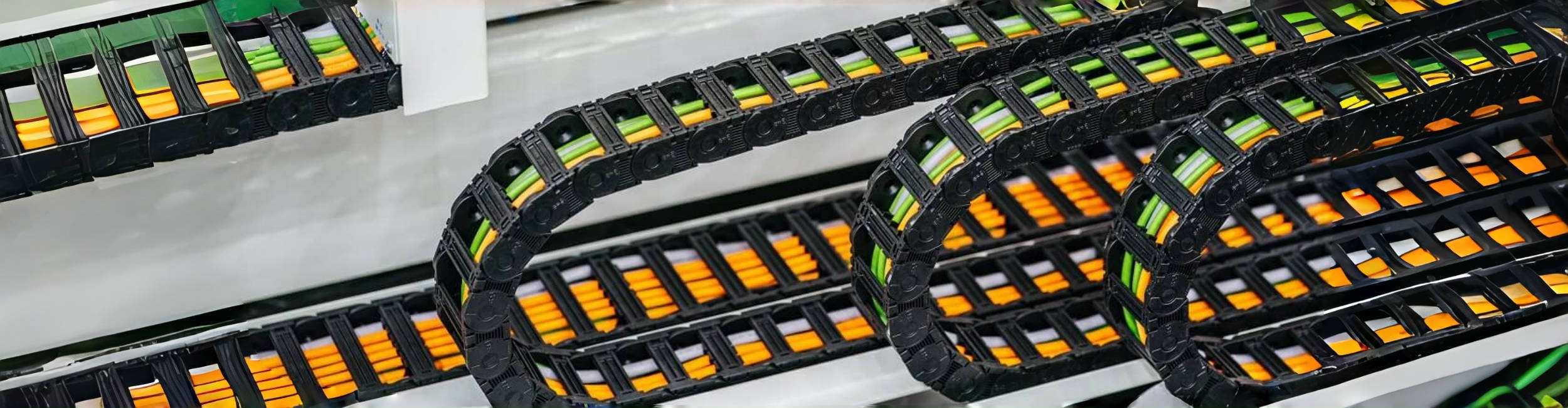
The Essential Guide to Plastic Cable Drag Chains in Machine Tool Accessories
When it comes to the intricate world of manufacturing and machining, the efficiency and reliability of machinery are paramount. One often overlooked component that plays a crucial role in maintaining order and functionality is the plastic cable drag chain. Designed to protect and manage cables and hoses, these drag chains help ensure smooth and uninterrupted operations during machining processes.
2026-03-20
Plastic cable drag chains are specifically engineered for guiding and protecting electrical cables and hydraulic hoses. They are typically used in a variety of applications, including CNC machines, robotics, and other automated systems. The design of these chains allows for flexible movement, accommodating various operations without causing wear or damage to the cables housed within them.
One of the primary advantages of using plastic drag chains is their lightweight nature. This characteristic not only reduces the overall mass of the machine but also minimizes the energy required to move the cables during operation. A lighter drag chain can lead to enhanced machine speed and efficiency, crucial factors in a competitive manufacturing environment.
In addition to their weight, plastic cable drag chains are known for their durability. Made from high-quality plastic materials, these chains can withstand harsh operating conditions, including exposure to chemicals, oils, and temperature fluctuations. This resilience translates to longer service life and reduced maintenance downtime, ultimately contributing to cost savings for manufacturers.
Another important aspect to consider is the installation and adaptability of plastic cable drag chains. They are designed for easy assembly and can be customized to fit various machine layouts. This flexibility allows manufacturers to modify their setups according to specific needs, ensuring that the drag chains can efficiently manage the required cables and hoses without hindrance.
When selecting a plastic cable drag chain, it's essential to evaluate factors such as the chain's width, height, and bend radius. These specifications will determine how well the chain accommodates the cables you intend to use. Additionally, consider the environment in which the drag chain will operate—some chains are better suited for indoor applications, while others are designed to withstand outdoor conditions.
In summary, plastic cable drag chains are an integral component of modern machinery, providing effective solutions for cable management and protection. Their lightweight and durable nature, coupled with easy installation, makes them an ideal choice for manufacturers looking to enhance the performance of their machine tool accessories. By understanding the critical features and benefits of these drag chains, professionals can make informed decisions that lead to improved operational efficiency and safety in their machining processes.
Related News

Maximizing Efficiency with Cable Drag Chains in Manufacturing
In the realm of manufacturing and machining, the need for organized, efficient, and safe cable management is paramount. This is where cable drag chains come into play. A cable drag chain is designed to house and protect cables, hoses, and other components, allowing for smooth, unhindered movement in machinery. With a variety of designs and configurations available, they cater to specific requireme
How to Troubleshoot Issues with Your Plastic Drag Chain Table of Contents Understanding Plastic Drag Chains Common Issues with Plastic Drag Chains Identifying the Symptoms of Drag Chain Failure Step-by-Step Troubleshooting Guide Preventative Maintenance Tips for Plastic Drag Chains When to Replace Your Drag Chain Best Practices for Installing Drag Chains Conclusion
Subscribe to
Get the latest information on company products


Contact
Add: 14-2,Liandong U Valley,Manufacturing Industrial Park,Tangxia Town,Pengjiang District,Jiangmen City Guangdong Province, China