Krius Intelligent Manufacturing (Jiangmen) Co., Ltd.

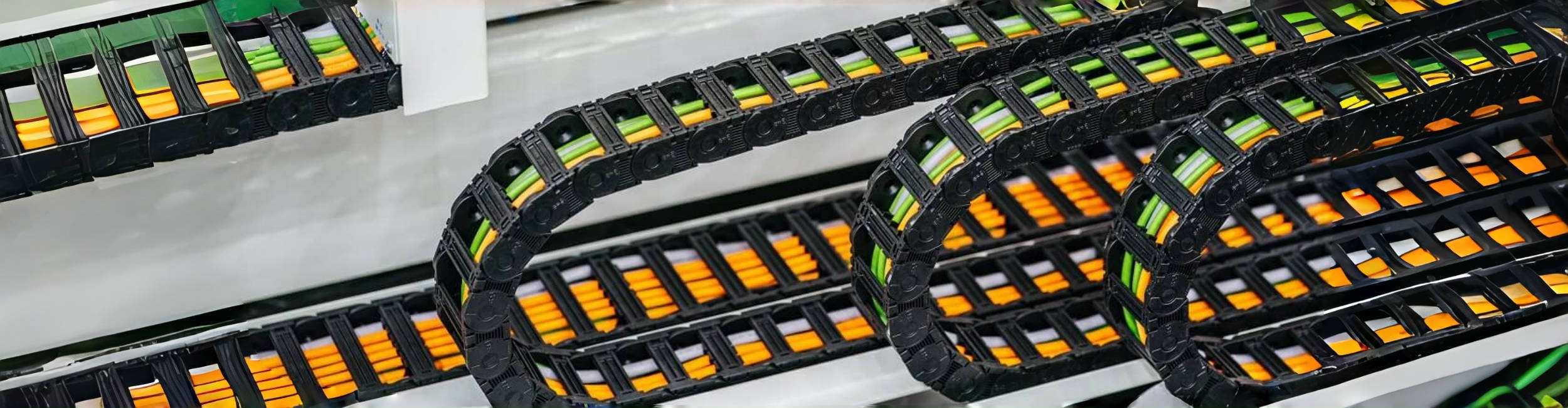
Understanding Cable Drag Chains: Essential for Efficient Machinery Operations
Cable drag chains, also known as energy chains or cable carriers, are mechanical systems designed to organize and protect cables and hoses in moving applications. They are widely used in various industries, including manufacturing, robotics, and CNC machining, where equipment often requires dynamic movement. By securely guiding cables and hoses, cable drag chains prevent tangling, wear, and potent
2026-03-12
One of the primary advantages of using cable drag chains is their ability to maintain a clean and organized working environment. Instead of allowing cables to hang loosely, which can create hazards and increase maintenance time, a drag chain neatly contains them, reducing clutter and improving safety. Furthermore, they facilitate easier maintenance and inspection, as cables are easier to access when they are organized within a drag chain.
In addition to organization, cable drag chains provide significant protection for cables and hoses. In environments where machinery operates at high speeds or in confined spaces, cables are prone to abrasion and mechanical wear. The robust design of cable drag chains protects these vital components from external damage, extending their lifespan and minimizing downtime caused by cable failures.
When selecting cable drag chains for your machinery, consider factors such as the type of application, the number of cables being managed, and the environmental conditions. For instance, chains designed for high-speed applications may have specific features that accommodate rapid movement without causing wear. Additionally, some cable drag chains are engineered to withstand harsh conditions, such as extreme temperatures or exposure to chemicals.
Installation of cable drag chains should also be conducted with care. Proper alignment and secure mounting are essential to ensure that the chain operates smoothly and without hindrance. Regular inspection and maintenance of cable drag chains will help identify any signs of wear or potential issues before they escalate into more significant problems.
In conclusion, cable drag chains are an indispensable component in the manufacturing and machining sectors. By helping to organize, protect, and extend the life of cables and hoses, these systems contribute to the efficiency and reliability of machinery operations. Investing in high-quality cable drag chains and adhering to best practices for installation and maintenance can lead to significant improvements in operational efficiency, ultimately benefiting your business in the long run.
Related News

Maximizing Efficiency with Cable Drag Chains in Manufacturing
In the realm of manufacturing and machining, the need for organized, efficient, and safe cable management is paramount. This is where cable drag chains come into play. A cable drag chain is designed to house and protect cables, hoses, and other components, allowing for smooth, unhindered movement in machinery. With a variety of designs and configurations available, they cater to specific requireme
How to Troubleshoot Issues with Your Plastic Drag Chain Table of Contents Understanding Plastic Drag Chains Common Issues with Plastic Drag Chains Identifying the Symptoms of Drag Chain Failure Step-by-Step Troubleshooting Guide Preventative Maintenance Tips for Plastic Drag Chains When to Replace Your Drag Chain Best Practices for Installing Drag Chains Conclusion
Subscribe to
Get the latest information on company products


Contact
Add: 14-2,Liandong U Valley,Manufacturing Industrial Park,Tangxia Town,Pengjiang District,Jiangmen City Guangdong Province, China