Krius Intelligent Manufacturing (Jiangmen) Co., Ltd.

Exploring the Cost Benefits of Nylon Drag Chains in Production Lines
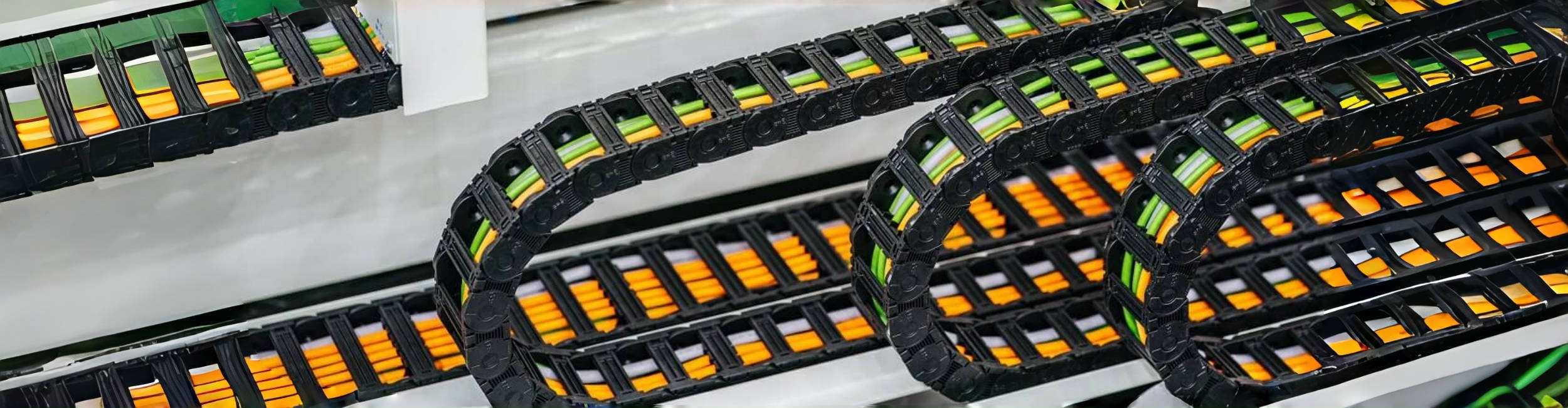
Exploring the Cost Benefits of Nylon Drag Chains in Production Lines Introduction to Nylon Drag Chains Nylon drag chains, also known as cable carriers or energy chains, serve a crucial role in modern production lines. These components help manage and protect cables and hoses while allowing for smooth movement in automated systems. The introduction of nylon drag chains has transformed manufacturing
2026-03-11
Exploring the Cost Benefits of Nylon Drag Chains in Production Lines
Introduction to Nylon Drag Chains
Nylon drag chains, also known as cable carriers or energy chains, serve a crucial role in modern production lines. These components help manage and protect cables and hoses while allowing for smooth movement in automated systems. The introduction of nylon drag chains has transformed manufacturing processes by improving efficiency and reducing the risk of damage to critical components.
The Importance of Cable Management in Production Lines
Effective cable management is vital for ensuring safety, maximizing productivity, and minimizing downtime in production lines. Cables and hoses that are not properly managed can become tangled, leading to disruptions and potential equipment failures. This is where nylon drag chains come into play, offering a versatile solution that enhances both the organization and movement of cables.
Key Advantages of Nylon Drag Chains
Nylon drag chains come with a plethora of benefits that make them an attractive choice for manufacturers:
1. Durability and Longevity
Nylon is known for its exceptional strength and resistance to wear and tear. The longevity of nylon drag chains translates into less frequent replacements, reducing operational costs.
2. Cost Efficiency
Integrating nylon drag chains can lead to significant cost savings over time. Their durability reduces the need for frequent maintenance and replacements, allowing companies to allocate resources more effectively.
3. Lightweight Design
The lightweight nature of nylon drag chains facilitates easy installation and reduces the overall load on machinery. This lightweight characteristic contributes to enhanced speed and efficiency in production lines.
4. Flexibility and Versatility
Nylon drag chains are available in various sizes and configurations, making them adaptable to different applications. Their flexibility allows manufacturers to customize solutions tailored to their specific needs.
5. Improved Safety
By organizing cables and hoses within a nylon drag chain, the risk of tripping hazards and equipment damage is significantly reduced. Improved safety measures not only protect employees but also contribute to smoother operations.
Real-World Applications of Nylon Drag Chains
Nylon drag chains find applications across various industries, making them a versatile component for diverse production environments.
1. Manufacturing and Assembly Lines
In manufacturing settings, nylon drag chains facilitate the movement of power and data cables, ensuring that equipment remains operational without interruption. Their durability makes them suitable for heavy-duty applications where cables are subjected to constant movement.
2. Robotics and Automation
In robotic applications, nylon drag chains protect cables from abrasion while allowing for smooth articulation. The flexibility of these chains is crucial in robotic arms that require a high degree of motion.
3. CNC Machining Centers
Nylon drag chains play a vital role in CNC machining centers, where multiple cables must coexist without interfering with each other. The organized structure provided by drag chains enhances productivity and reduces downtime caused by cable-related issues.
How to Choose the Right Nylon Drag Chain
Selecting the appropriate nylon drag chain involves careful consideration of several factors to ensure optimal performance.
1. Load Capacity
Evaluate the weight and dimensions of the cables and hoses that will be managed within the drag chain. Ensuring that the chosen chain can handle the load will prevent premature wear and failure.
2. Radius of Curvature
Consider the bending radius required for your application. Nylon drag chains must be able to bend smoothly without damaging the cables inside, so the right radius is critical.
3. Environmental Conditions
Different production environments present unique challenges, such as temperature extremes, exposure to chemicals, or dust. Selecting a nylon drag chain that withstands these conditions is essential for longevity.
4. Installation Space
Assess the available space in your production line to determine the size and configuration of the nylon drag chain. This ensures a proper fit and optimizes the overall design of your system.
Cost-Benefit Analysis of Implementing Nylon Drag Chains
Understanding the financial implications of integrating nylon drag chains is essential for manufacturers aiming to enhance their production lines.
1. Initial Investment vs. Long-term Savings
While the upfront cost of nylon drag chains may appear higher compared to traditional methods, the long-term savings associated with reduced maintenance and increased efficiency often outweigh these initial expenses.
2. Maintenance Costs
Nylon drag chains require minimal maintenance, leading to lower operational costs. This factor is crucial for businesses that aim to keep maintenance schedules light while maximizing production output.
3. Downtime Reduction
Reduced downtime due to cable-related issues translates into increased productivity. By implementing nylon drag chains, manufacturers can ensure that production runs smoothly, ultimately boosting profitability.
Frequently Asked Questions (FAQs)
1. What are nylon drag chains made of?
Nylon drag chains are primarily composed of high-quality nylon, which provides strength, flexibility, and resistance to wear and tear.
2. How long do nylon drag chains last?
The lifespan of nylon drag chains depends on factors such as load, usage frequency, and environmental conditions. However, they can last for several years with appropriate care and maintenance.
3. Are nylon drag chains suitable for outdoor use?
While nylon drag chains can withstand a range of environmental conditions, exposure to extreme temperatures and UV radiation may affect their longevity. It's essential to choose chains designed for specific outdoor applications.
4. Can nylon drag chains be customized?
Yes, nylon drag chains can be customized in terms of size, configuration, and color to meet the specific needs of various applications.
5. What maintenance is required for nylon drag chains?
Maintenance is minimal for nylon drag chains. Regularly inspecting for wear, cleaning debris, and ensuring proper installation are sufficient to keep them functioning optimally.
Conclusion
Incorporating nylon drag chains into your production lines offers significant cost benefits by enhancing efficiency, reducing downtime, and providing durable cable management solutions. By understanding their advantages and applications, manufacturers can make informed decisions that lead to improved productivity and operational savings. Ultimately, investing in nylon drag chains not only protects your valuable equipment but also positions your business for long-term success in an increasingly competitive landscape.
Related News

Maximizing Efficiency with Cable Drag Chains in Manufacturing
In the realm of manufacturing and machining, the need for organized, efficient, and safe cable management is paramount. This is where cable drag chains come into play. A cable drag chain is designed to house and protect cables, hoses, and other components, allowing for smooth, unhindered movement in machinery. With a variety of designs and configurations available, they cater to specific requireme
How to Troubleshoot Issues with Your Plastic Drag Chain Table of Contents Understanding Plastic Drag Chains Common Issues with Plastic Drag Chains Identifying the Symptoms of Drag Chain Failure Step-by-Step Troubleshooting Guide Preventative Maintenance Tips for Plastic Drag Chains When to Replace Your Drag Chain Best Practices for Installing Drag Chains Conclusion
Subscribe to
Get the latest information on company products


Contact
Add: 14-2,Liandong U Valley,Manufacturing Industrial Park,Tangxia Town,Pengjiang District,Jiangmen City Guangdong Province, China