Krius Intelligent Manufacturing (Jiangmen) Co., Ltd.

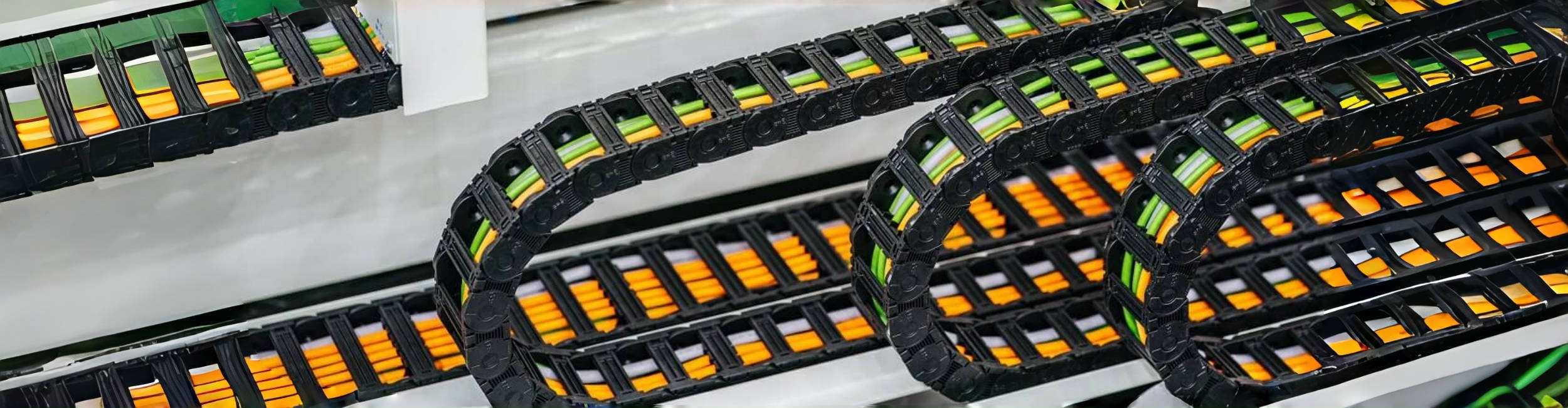
Comprehensive Guide to Plastic Cable Drag Chains in Machine Tool Applications
Plastic cable drag chains, also known as energy chains, are vital components in various manufacturing processes, particularly in machine tool applications. These chains are designed to guide and protect cables and hoses, ensuring smooth and efficient movement while minimizing wear and tear. Understanding the features and benefits of plastic cable drag chains can greatly enhance your manufacturing
2026-03-10
One of the primary advantages of plastic cable drag chains is their lightweight construction. Unlike their metal counterparts, plastic drag chains offer significant weight savings, which can lead to improved machine dynamics and reduced energy consumption. This is particularly important in high-speed applications, where every ounce of weight can impact performance. Additionally, plastic chains are often resistant to corrosion and chemicals, making them suitable for a wide range of environments, including those that involve exposure to oils and lubricants.
When selecting a plastic cable drag chain, it is essential to consider factors such as the chain's internal and external dimensions, bend radius, and the specific type of cables or hoses that will be used. The bend radius is particularly crucial, as it determines how well the chain can flex without causing damage to the cables inside. Proper sizing ensures that the drag chain operates efficiently and prolongs the life of both the chain and the cables.
Another important feature of plastic cable drag chains is their ability to reduce friction. Many chains come with integrated rollers or specially designed surfaces that minimize resistance, allowing for smoother operation. This friction reduction not only enhances the lifespan of the cables but also contributes to the overall efficiency of the machine, leading to increased productivity.
In addition to their functional benefits, plastic cable drag chains are also easy to install and maintain. Many designs feature modular components that can be easily assembled or disassembled, allowing for quick replacements or upgrades as needed. This ease of maintenance can significantly reduce downtime in manufacturing processes, ensuring that operations run smoothly and efficiently.
Furthermore, plastic cable drag chains can be customized to fit specific applications. Manufacturers often offer a range of styles, colors, and sizes, allowing businesses to select the best option for their unique needs. Customization may include additional features such as strain relief components or integrated cable management systems, which can further enhance the performance of the drag chain.
In conclusion, plastic cable drag chains play a crucial role in the efficiency and reliability of manufacturing machinery. By understanding their benefits and selecting the right chain for your application, you can achieve improved operational performance, reduced maintenance costs, and ultimately a more productive manufacturing environment. Whether you are upgrading existing systems or designing new machinery, considering plastic cable drag chains is a smart choice for any production facility.
Related News

Maximizing Efficiency with Cable Drag Chains in Manufacturing
In the realm of manufacturing and machining, the need for organized, efficient, and safe cable management is paramount. This is where cable drag chains come into play. A cable drag chain is designed to house and protect cables, hoses, and other components, allowing for smooth, unhindered movement in machinery. With a variety of designs and configurations available, they cater to specific requireme
How to Troubleshoot Issues with Your Plastic Drag Chain Table of Contents Understanding Plastic Drag Chains Common Issues with Plastic Drag Chains Identifying the Symptoms of Drag Chain Failure Step-by-Step Troubleshooting Guide Preventative Maintenance Tips for Plastic Drag Chains When to Replace Your Drag Chain Best Practices for Installing Drag Chains Conclusion
Subscribe to
Get the latest information on company products


Contact
Add: 14-2,Liandong U Valley,Manufacturing Industrial Park,Tangxia Town,Pengjiang District,Jiangmen City Guangdong Province, China