Krius Intelligent Manufacturing (Jiangmen) Co., Ltd.

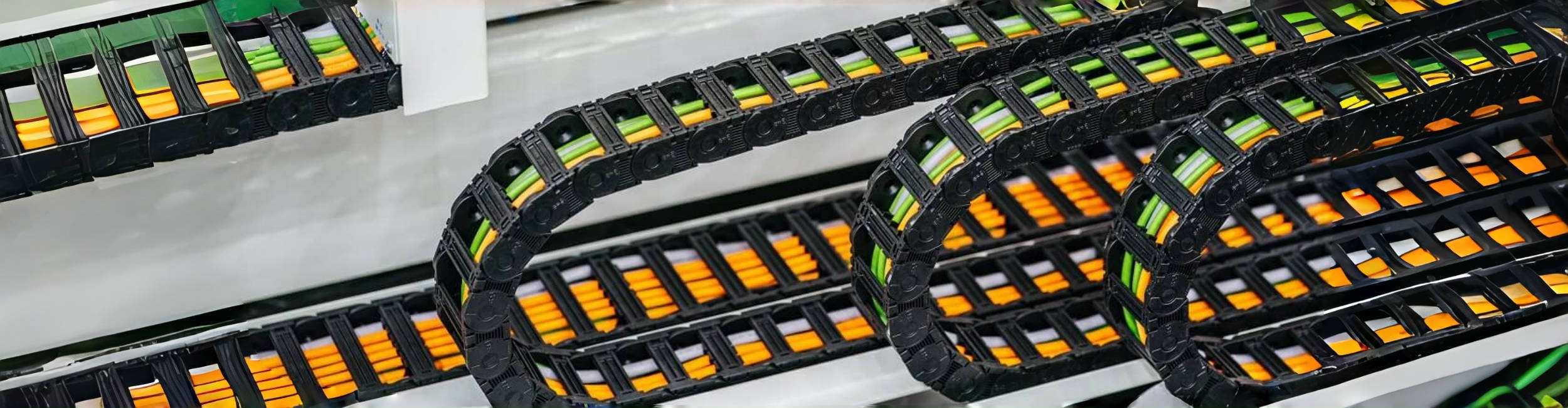
Enhancing Efficiency: The Role of Nylon Cable Drag Chains in Streamlining Manufacturing Workflows
How Nylon Cable Drag Chains Can Improve Workflow in Manufacturing Facilities Table of Contents 1. Introduction to Nylon Cable Drag Chains 2. Key Benefits of Using Nylon Cable Drag Chains 3. Applications of Nylon Cable Drag Chains in Manufacturing 4. Best Practices for Installing Nylon Cable Drag Chains 5. Maintenance Tips for Longevity 6. Nylon vs. Other Cable Drag Chains 7. Case St
2026-03-09
How Nylon Cable Drag Chains Can Improve Workflow in Manufacturing Facilities
Table of Contents
- 1. Introduction to Nylon Cable Drag Chains
- 2. Key Benefits of Using Nylon Cable Drag Chains
- 3. Applications of Nylon Cable Drag Chains in Manufacturing
- 4. Best Practices for Installing Nylon Cable Drag Chains
- 5. Maintenance Tips for Longevity
- 6. Nylon vs. Other Cable Drag Chains
- 7. Case Studies: Successful Implementation
- 8. Frequently Asked Questions
- 9. Conclusion
1. Introduction to Nylon Cable Drag Chains
In the fast-paced environment of manufacturing, efficiency and safety are paramount. One essential component that can significantly enhance these aspects is the **nylon cable drag chain**. Designed to manage and protect cables and hoses, these chains streamline operations, reduce wear and tear, and ensure smooth machinery movement. This article delves into how nylon cable drag chains can improve workflows in manufacturing facilities, providing insights into their benefits, applications, and best practices for implementation.
2. Key Benefits of Using Nylon Cable Drag Chains
Nylon cable drag chains offer a multitude of advantages that cater to various manufacturing needs:
2.1 Enhanced Cable Protection
Nylon drag chains securely house cables and hoses, protecting them from potential damage due to abrasion, entanglement, or environmental factors. This protection not only prolongs the life of the cables but also reduces the risk of costly downtime due to repairs.
2.2 Improved Organization
By neatly organizing cables and hoses, nylon drag chains eliminate clutter in manufacturing spaces. This organization enhances safety by preventing tripping hazards and simplifies maintenance tasks, allowing workers to easily identify and access necessary cables.
2.3 Increased Flexibility
Nylon drag chains provide flexibility in design and application. They can be customized to accommodate various sizes and types of cables, making them suitable for multiple machinery and applications within a facility.
2.4 Enhanced Mobility
The lightweight nature of nylon allows for smoother movement of the drag chain, promoting the efficient operation of machinery. This increased mobility can lead to reduced energy consumption and faster cycle times.
2.5 Cost-Effectiveness
Investing in nylon cable drag chains can lead to significant cost savings. By reducing wear and tear on cables and minimizing downtime, manufacturers can streamline their operations and increase overall productivity.
3. Applications of Nylon Cable Drag Chains in Manufacturing
Nylon cable drag chains find applications across various sectors of manufacturing:
3.1 CNC Machinery
In CNC machining, where precision is crucial, nylon drag chains protect critical cables and hoses from mechanical stress and environmental damage, ensuring uninterrupted operation.
3.2 Robotics
With the rise of automation, robotics plays a pivotal role in manufacturing. Nylon drag chains facilitate the movement of robotic arms, ensuring cables remain untangled and protected during operation.
3.3 Material Handling Systems
In material handling systems, nylon drag chains manage power and control cables that power conveyor belts and other equipment, reducing the risk of wear and ensuring smooth operations.
3.4 Injection Molding
In injection molding processes, drag chains help organize and protect cables associated with machinery, ensuring that operators can maintain a clean and efficient workspace.
4. Best Practices for Installing Nylon Cable Drag Chains
To maximize the benefits of nylon cable drag chains, proper installation is crucial. Here are some best practices:
4.1 Assessing the Environment
Before installation, assess the environment where the drag chains will be used. Consider factors such as temperature, humidity, and potential exposure to chemicals that may affect the nylon material.
4.2 Calculating Length and Size
Accurate measurements are essential for selecting the right chain size. Consider the cable lengths and the range of motion required to ensure a perfect fit that allows for smooth movement.
4.3 Securing the Drag Chain
Ensure the drag chain is securely fastened to prevent movement during operation. Use appropriate mounting brackets and ensure that the chain is aligned correctly to avoid friction and wear.
4.4 Configuring Cables Properly
When placing cables within the drag chain, ensure that they are properly arranged to prevent damage. Group cables according to their function and avoid overloading the chain beyond its capacity.
5. Maintenance Tips for Longevity
Regular maintenance is essential to ensure the longevity of nylon cable drag chains:
5.1 Regular Inspections
Conduct routine inspections to check for signs of wear, damage, or misalignment. Early detection can prevent more significant issues and costly repairs.
5.2 Cleaning
Keep the drag chains clean to avoid the accumulation of dust and debris, which can hinder functionality. Use appropriate cleaning agents that do not damage the nylon material.
5.3 Lubrication
While nylon is inherently low-friction, applying a suitable lubricant can enhance movement and reduce wear over time.
5.4 Replacement Planning
Have a replacement plan in place for aging drag chains. Knowing when to replace them can prevent unexpected downtime and disruptions in workflow.
6. Nylon vs. Other Cable Drag Chains
When considering cable drag chains, manufacturers often evaluate different materials. Here’s a comparison of nylon drag chains with alternatives:
6.1 Metal Drag Chains
Metal drag chains are robust but can be heavier and more expensive than nylon options. They may be suitable for heavy-duty applications, but they often lack the flexibility and weight-saving benefits of nylon.
6.2 Plastic Drag Chains
While plastic drag chains may resemble nylon chains in some aspects, they often lack the durability and temperature resistance of nylon. Nylon's superior mechanical properties make it a better choice for demanding environments.
6.3 Rubber Drag Chains
Rubber drag chains may provide flexibility but often do not offer the same level of protection and organization as nylon chains. Additionally, rubber can degrade more quickly in harsh environments.
7. Case Studies: Successful Implementation
Several manufacturing facilities have successfully integrated nylon cable drag chains into their operations:
7.1 Automotive Manufacturing Plant
An automotive manufacturing plant implemented nylon drag chains for CNC machines, resulting in a **30% reduction in cable wear** and a **20% decrease in maintenance time**.
7.2 Aerospace Component Factory
In an aerospace component factory, nylon drag chains were utilized for robotic arms, leading to enhanced **operational efficiency** and a **significant reduction in cable-related downtime**.
7.3 Food Processing Facility
A food processing facility adopted nylon drag chains for their conveyor systems, improving **sanitation** and **safety** by organizing cables and reducing the risk of contamination.
8. Frequently Asked Questions
8.1 What are nylon cable drag chains made from?
Nylon cable drag chains are typically made from high-quality nylon materials, known for their durability, resistance to chemicals, and low-friction properties.
8.2 How long do nylon cable drag chains last?
The lifespan of nylon drag chains can vary based on usage and environmental conditions. With proper maintenance, they can last several years.
8.3 Can nylon drag chains be used outdoors?
Yes, nylon drag chains can be used outdoors, but it’s essential to consider UV exposure and extreme temperatures that may affect their performance.
8.4 Are nylon cable drag chains customizable?
Absolutely! Nylon cable drag chains can be customized in size, length, and configuration to meet specific manufacturing needs.
8.5 How do I know what size drag chain I need?
To determine the appropriate size, measure the total length of cables and consider the range of motion required. Consult with manufacturers or suppliers for guidance.
9. Conclusion
In the competitive landscape of manufacturing, enhancing workflow efficiency is crucial for success. **Nylon cable drag chains** provide an innovative solution that not only protects cables and hoses but also contributes to the overall organization and safety of manufacturing environments. By understanding their benefits, applications, and best practices for installation and maintenance, facilities can leverage these chains to streamline operations and improve productivity. Investing in nylon drag chains is not just about upgrading equipment; it's about fostering a culture of efficiency and safety, ultimately leading to long-term success in the manufacturing industry.
Related News

Maximizing Efficiency with Cable Drag Chains in Manufacturing
In the realm of manufacturing and machining, the need for organized, efficient, and safe cable management is paramount. This is where cable drag chains come into play. A cable drag chain is designed to house and protect cables, hoses, and other components, allowing for smooth, unhindered movement in machinery. With a variety of designs and configurations available, they cater to specific requireme
How to Troubleshoot Issues with Your Plastic Drag Chain Table of Contents Understanding Plastic Drag Chains Common Issues with Plastic Drag Chains Identifying the Symptoms of Drag Chain Failure Step-by-Step Troubleshooting Guide Preventative Maintenance Tips for Plastic Drag Chains When to Replace Your Drag Chain Best Practices for Installing Drag Chains Conclusion
Subscribe to
Get the latest information on company products


Contact
Add: 14-2,Liandong U Valley,Manufacturing Industrial Park,Tangxia Town,Pengjiang District,Jiangmen City Guangdong Province, China