Krius Intelligent Manufacturing (Jiangmen) Co., Ltd.

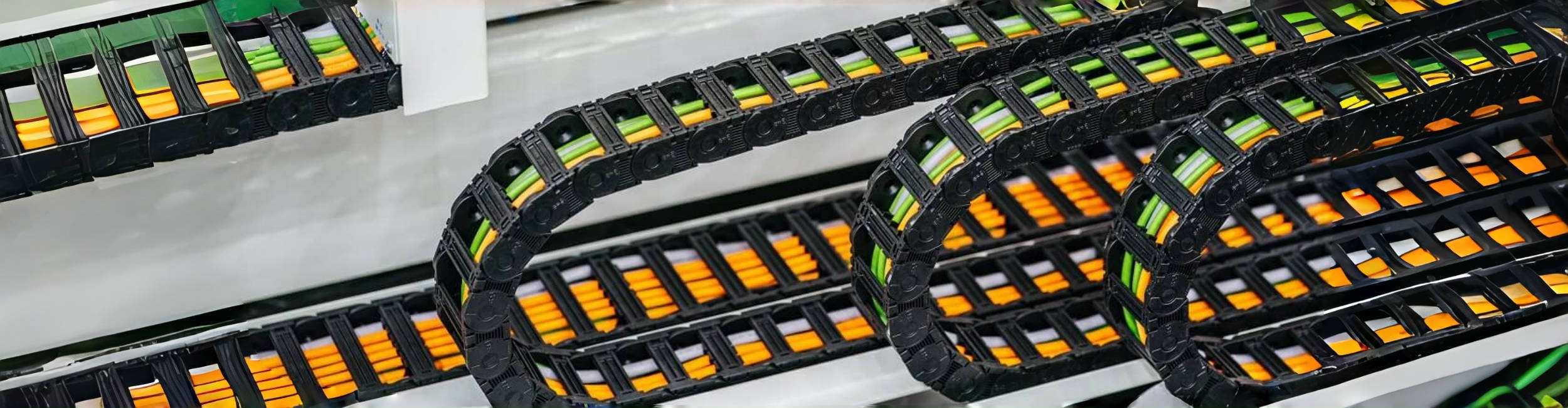
The Essential Role of Plastic Drag Chains in Boosting Machine Efficiency
The Essential Role of Plastic Drag Chains in Boosting Machine Efficiency Table of Contents 1. Introduction to Plastic Drag Chains 2. What Are Plastic Drag Chains? 3. Key Benefits of Using Plastic Drag Chains 4. Applications of Plastic Drag Chains in Various Industries 5. Design Considerations for Plastic Drag Chains 6. Best Practices for Maintaining Plastic Drag Chains
2026-03-13
The Essential Role of Plastic Drag Chains in Boosting Machine Efficiency
Table of Contents
- 1. Introduction to Plastic Drag Chains
- 2. What Are Plastic Drag Chains?
- 3. Key Benefits of Using Plastic Drag Chains
- 4. Applications of Plastic Drag Chains in Various Industries
- 5. Design Considerations for Plastic Drag Chains
- 6. Best Practices for Maintaining Plastic Drag Chains
- 7. Comparison of Plastic Drag Chains with Other Types
- 8. The Future of Plastic Drag Chains in Manufacturing
- 9. Conclusion
- 10. FAQs
1. Introduction to Plastic Drag Chains
Plastic drag chains, sometimes referred to as energy chains or cable carriers, are critical components in modern manufacturing and machining environments. These chains are designed to manage and protect cables, hoses, and other flexible connections in automated systems. In recent years, they have gained immense popularity due to their ability to enhance machine efficiency, reduce wear and tear on cables, and minimize downtime.
Understanding the vital role of plastic drag chains in machine efficiency is essential for any organization looking to optimize its operations and improve overall productivity.
2. What Are Plastic Drag Chains?
Plastic drag chains are specialized components used to guide, protect, and manage cables and hoses in a variety of machinery. Composed primarily of high-quality plastic, these chains are lightweight yet durable, offering excellent resistance to wear, chemicals, and environmental factors.
Typically, a plastic drag chain consists of a series of interconnected links that can open and close, allowing for flexibility and adaptability. They can be mounted along various axes and are commonly found in CNC machines, robotic systems, conveyor systems, and many other applications where moving parts are involved.
3. Key Benefits of Using Plastic Drag Chains
The benefits of integrating plastic drag chains into manufacturing processes are numerous, and they significantly contribute to enhancing machine efficiency:
3.1 Improved Cable Management
Plastic drag chains provide a structured pathway for cables and hoses, minimizing the risk of tangling or damage. This organized layout not only protects valuable equipment but also simplifies maintenance, leading to less downtime.
3.2 Enhanced Durability and Longevity
Manufactured from high-performance plastics, these drag chains are built to withstand harsh operating conditions. They resist wear, abrasion, and exposure to various chemicals, which contributes to their longevity and reduces the need for frequent replacements.
3.3 Increased Flexibility and Range of Motion
Plastic drag chains allow for multi-dimensional movement, enabling machines to operate efficiently in various orientations. This flexibility is particularly beneficial in robotic applications where precision and agility are paramount.
3.4 Noise Reduction
One often-overlooked advantage of plastic drag chains is their ability to operate quietly. Unlike metal counterparts that may cause vibrations and noise, plastic chains offer a smoother operation, contributing to a better working environment.
3.5 Cost-Effectiveness
While the initial investment in plastic drag chains may seem significant, their durability and low maintenance needs offer substantial long-term savings. Reduced downtime and minimized replacements lead to a favorable return on investment.
4. Applications of Plastic Drag Chains in Various Industries
Plastic drag chains are versatile components found in various industries, including:
4.1 Manufacturing
In manufacturing environments, plastic drag chains are essential for managing the numerous cables and hoses involved in machine operation. From CNC machines to conveyor systems, they ensure a safe and efficient workflow.
4.2 Robotics
Robotic applications benefit immensely from plastic drag chains due to their flexibility and lightweight design. They enable robots to reach further and operate with greater precision, enhancing overall performance.
4.3 Automotive
In the automotive industry, plastic drag chains are used in assembly lines and robotic arms, allowing for the efficient movement of tools and components while protecting wiring from wear and abrasion.
4.4 Packaging
In packaging machinery, these drag chains streamline operations by managing the cables that control various functions, ensuring that the machines run smoothly and efficiently.
4.5 Aerospace
Aerospace applications require components that can withstand extreme conditions. Plastic drag chains are employed in various systems, providing reliable cable management while maintaining performance in adverse environments.
5. Design Considerations for Plastic Drag Chains
Designing an effective plastic drag chain involves several critical considerations:
5.1 Size and Dimensions
Selecting the appropriate size and dimensions is essential to accommodate the cables or hoses being managed. Chains must be large enough to prevent tight bending but not so large that they increase unnecessary bulk.
5.2 Material Selection
The choice of material impacts the drag chain's performance. High-quality plastics, such as polyamide or polypropylene, offer excellent durability, chemical resistance, and temperature stability.
5.4 Load Capacity
Understanding the load capacity of a drag chain is crucial. Exceeding the specified load can lead to chain failure, making it vital to assess the weight and flexibility of the cables or hoses involved.
5.5 Mounting Options
The mounting method should align with the application. Fixed or moving mounts can be used depending on the machinery's design, ensuring the drag chain functions effectively in its environment.
6. Best Practices for Maintaining Plastic Drag Chains
To ensure the longevity and effectiveness of plastic drag chains, proper maintenance is essential:
6.1 Regular Inspections
Conduct routine inspections to check for signs of wear, damage, or misalignment. Early detection can prevent more significant issues down the line.
6.2 Cleaning
Keep drag chains clean from debris and contaminants that may hinder their performance. A simple wipe-down can significantly improve their lifespan.
6.3 Lubrication
Some drag chains may require periodic lubrication to maintain smooth operation. Consult manufacturer guidelines for appropriate lubrication methods.
6.4 Adjustments
Ensure that the drag chain is correctly aligned and tensioned. Regular adjustments can prevent operational issues and enhance machine efficiency.
7. Comparison of Plastic Drag Chains with Other Types
Plastic drag chains offer unique advantages over metal drag chains and other cable management solutions:
7.1 Weight
Plastic drag chains are significantly lighter than metal alternatives, which reduces the overall weight of the machinery and enhances operational efficiency.
7.2 Cost
While plastic chains may have a higher initial cost, their durability and low maintenance needs make them a more cost-effective solution over time compared to metal chains.
7.3 Noise Levels
Plastic chains operate more quietly than metal options, creating a more pleasant working environment for operators and reducing noise pollution in manufacturing settings.
8. The Future of Plastic Drag Chains in Manufacturing
As technology continues to evolve, the role of plastic drag chains will become increasingly vital in manufacturing. Innovations in materials, design, and automation are paving the way for even more efficient solutions. The move towards Industry 4.0 and smart manufacturing will likely see plastic drag chains integrated with sensors and monitoring systems, providing real-time data on performance and wear.
Moreover, the growing emphasis on sustainability may lead to the development of eco-friendly materials for drag chains, ensuring they meet the demands of modern manufacturing while minimizing environmental impact.
9. Conclusion
Plastic drag chains play an indispensable role in enhancing machine efficiency across various industries. Their ability to improve cable management, increase flexibility, and reduce maintenance costs makes them a vital component in modern manufacturing processes. By understanding their benefits, applications, and maintenance practices, businesses can leverage plastic drag chains to optimize their operations and boost productivity.
10. FAQs
10.1 What industries benefit the most from plastic drag chains?
Plastic drag chains are widely used in manufacturing, robotics, automotive, packaging, and aerospace industries due to their versatility and efficiency in managing cables and hoses.
10.2 How do I choose the right plastic drag chain for my application?
Consider factors such as size, load capacity, material, and mounting options when selecting a plastic drag chain to ensure it aligns with your specific application needs.
10.3 Can plastic drag chains be used in extreme conditions?
Yes, many plastic drag chains are designed to withstand harsh environments, including extreme temperatures and exposure to chemicals, making them suitable for various applications.
10.4 How often should plastic drag chains be maintained?
Regular inspections are recommended, typically every few months, depending on usage. Maintenance frequency may increase in high-wear environments.
10.5 Are plastic drag chains environmentally friendly?
Many manufacturers are now producing eco-friendly plastic drag chains that utilize sustainable materials, addressing environmental concerns while maintaining performance standards.
PREVIOUS:
Related News

Maximizing Efficiency with Cable Drag Chains in Manufacturing
In the realm of manufacturing and machining, the need for organized, efficient, and safe cable management is paramount. This is where cable drag chains come into play. A cable drag chain is designed to house and protect cables, hoses, and other components, allowing for smooth, unhindered movement in machinery. With a variety of designs and configurations available, they cater to specific requireme
How to Troubleshoot Issues with Your Plastic Drag Chain Table of Contents Understanding Plastic Drag Chains Common Issues with Plastic Drag Chains Identifying the Symptoms of Drag Chain Failure Step-by-Step Troubleshooting Guide Preventative Maintenance Tips for Plastic Drag Chains When to Replace Your Drag Chain Best Practices for Installing Drag Chains Conclusion
Subscribe to
Get the latest information on company products


Contact
Add: 14-2,Liandong U Valley,Manufacturing Industrial Park,Tangxia Town,Pengjiang District,Jiangmen City Guangdong Province, China