Krius Intelligent Manufacturing (Jiangmen) Co., Ltd.

Understanding the Design Principles Behind Nylon Cable Drag Chains: A Comprehensive Guide
Understanding the Design Principles Behind Nylon Cable Drag Chains Introduction to Nylon Cable Drag Chains Nylon cable drag chains, also known as energy chains or cable carriers, play a pivotal role in various manufacturing and industrial settings. These integral components manage the movement of cables and hoses, providing a safe and efficient method of keeping them organized and protected in dyn
2026-02-27
Understanding the Design Principles Behind Nylon Cable Drag Chains
Introduction to Nylon Cable Drag Chains
Nylon cable drag chains, also known as energy chains or cable carriers, play a pivotal role in various manufacturing and industrial settings. These integral components manage the movement of cables and hoses, providing a safe and efficient method of keeping them organized and protected in dynamic environments. This article aims to elucidate the fundamental design principles behind nylon cable drag chains, focusing on their functionality, benefits, and applications.
What Are Nylon Cable Drag Chains?
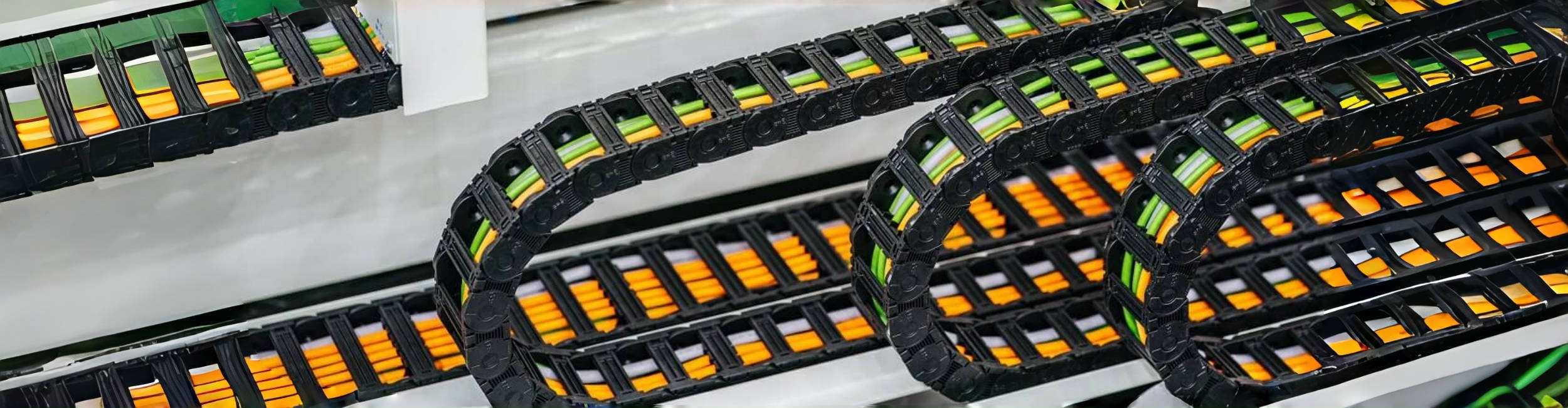
Nylon cable drag chains are specifically designed to guide and protect flexible cables and hoses in motion. They consist of interlinked segments that create a channel through which cables can run, allowing for unrestricted movement while minimizing wear and tear. These chains are paramount in environments where machinery operates continuously, ensuring that cables remain intact and functional.
Components of Nylon Cable Drag Chains
Understanding the components of nylon cable drag chains is essential for comprehending their design. The main components include:
1. Chain Links
Chain links are the individual segments that connect to form the drag chain. Made from durable nylon, these links are engineered to withstand heavy loads and provide flexibility.
2. Inner and Outer Profiles
The inner profile of the drag chain provides a smooth path for cables, while the outer profile ensures that the chain remains stable during movement. The profiles are meticulously designed to prevent tangling and friction.
3. Mounting Brackets
Mounting brackets secure the drag chain to machinery, allowing for easy installation and adjustment. They are engineered to accommodate various mounting options, enhancing versatility.
How Nylon Cable Drag Chains Work
Nylon cable drag chains operate by maintaining the integrity of cables and hoses as machinery moves. When machinery operates, the drag chain moves in synchronization with the machine's motion, allowing the cables to extend and retract without becoming tangled or damaged. This movement is crucial in applications involving robotics, CNC machines, and automated production lines.
Key Design Principles of Nylon Cable Drag Chains
The effectiveness of nylon cable drag chains can be attributed to several key design principles that ensure optimal performance and durability.
1. Flexibility and Bending Radius
The flexibility of nylon cable drag chains is essential for accommodating varying movements in machinery. A well-designed drag chain features a suitable bending radius, which allows it to bend without causing stress on the cables inside. This design principle minimizes wear and extends the lifespan of both the chain and the cables.
2. Load Capacity and Weight Distribution
Understanding the load capacity is critical when designing nylon cable drag chains. Each chain is rated for specific load limits, and these limits must be adhered to in order to prevent failure. The design should effectively distribute weight across the chain links, reducing stress on individual components.
3. Material Selection and Durability
Nylon is the material of choice for cable drag chains due to its impressive strength-to-weight ratio, chemical resistance, and ability to withstand harsh environmental conditions. The selection of high-quality nylon ensures that the drag chains remain functional over long periods, even in challenging applications.
4. Noise Reduction Features
In industrial settings, noise can be a significant concern. Many modern nylon cable drag chains are designed with features that minimize operational noise, such as specialized link designs that reduce friction and vibration. This design principle enhances user comfort and promotes a quieter working environment.
Advantages of Using Nylon Cable Drag Chains
The incorporation of nylon cable drag chains in manufacturing processes yields numerous advantages, including:
1. Enhanced Organization
Nylon drag chains facilitate the organization of cables and hoses, preventing tangling and damage. This organization results in a cleaner workspace and simplifies maintenance tasks.
2. Improved Safety
By keeping cables secured and organized, nylon cable drag chains reduce trip hazards and potential accidents in the workplace. This enhancement in safety is crucial in busy industrial environments.
3. Increased Efficiency
Nylon cable drag chains allow for smooth movement of cables, which in turn improves the overall efficiency of machinery. This efficiency can lead to increased productivity and reduced downtime.
Applications of Nylon Cable Drag Chains
Nylon cable drag chains find applications in various industries. Here are some notable examples:
1. Robotics
In robotics, drag chains are essential for managing power and data cables, enabling smooth and precise movements without hindrance.
2. CNC Machining
CNC machines require reliable cable management systems to ensure uninterrupted operation. Nylon drag chains help protect cables from wear while allowing for complex movements.
3. Automated Production Lines
In automated production settings, nylon cable drag chains help maintain organized cable pathways, which is integral to the overall efficiency of the system.
Maintenance Tips for Nylon Cable Drag Chains
Maintaining nylon cable drag chains is essential for ensuring their longevity and performance. Here are some effective maintenance tips:
1. Regular Inspections
Conduct regular inspections to identify any signs of wear or damage. Early detection can prevent further issues and ensure optimal performance.
2. Cleaning
Keep the drag chains clean from dust and debris. A clean environment helps maintain the integrity of both the chain and the cables inside.
3. Lubrication
While nylon typically requires minimal lubrication, applying a suitable lubricant can reduce friction and enhance performance in high-load applications.
4. Replacement of Worn Parts
Replace any worn or damaged parts promptly to avoid compromising the performance of the entire system. Timely replacement is crucial for maintaining safety and efficiency.
Frequently Asked Questions (FAQs)
1. What are the primary benefits of using nylon cable drag chains?
Nylon cable drag chains offer enhanced organization, improved safety, increased efficiency, and protection for cables and hoses.
2. How do I determine the right size of a nylon cable drag chain?
The right size depends on the diameter and number of cables you intend to use, along with the bending radius required for your application.
3. Can nylon cable drag chains be used in outdoor environments?
Yes, many nylon drag chains are designed to withstand outdoor conditions, but it’s essential to choose chains that are specifically rated for such environments.
4. How often should I inspect nylon cable drag chains?
Regular inspections should be performed at least once a month, with more frequent checks in high-stress applications.
5. Are there any alternatives to nylon cable drag chains?
Yes, alternatives such as steel cable carriers and plastic alternatives exist, but nylon remains a popular choice due to its balance of strength, flexibility, and cost-effectiveness.
Conclusion
Understanding the design principles behind nylon cable drag chains is essential for anyone involved in manufacturing, engineering, or industrial applications. By appreciating their components, functionality, and advantages, professionals can make informed decisions that enhance efficiency and safety in their operations. With proper maintenance and care, nylon cable drag chains can significantly contribute to the longevity and performance of machinery, making them an invaluable asset in any industrial setting.
Related News

Maximizing Efficiency with Cable Drag Chains in Manufacturing
In the realm of manufacturing and machining, the need for organized, efficient, and safe cable management is paramount. This is where cable drag chains come into play. A cable drag chain is designed to house and protect cables, hoses, and other components, allowing for smooth, unhindered movement in machinery. With a variety of designs and configurations available, they cater to specific requireme
How to Troubleshoot Issues with Your Plastic Drag Chain Table of Contents Understanding Plastic Drag Chains Common Issues with Plastic Drag Chains Identifying the Symptoms of Drag Chain Failure Step-by-Step Troubleshooting Guide Preventative Maintenance Tips for Plastic Drag Chains When to Replace Your Drag Chain Best Practices for Installing Drag Chains Conclusion
Subscribe to
Get the latest information on company products


Contact
Add: 14-2,Liandong U Valley,Manufacturing Industrial Park,Tangxia Town,Pengjiang District,Jiangmen City Guangdong Province, China