Krius Intelligent Manufacturing (Jiangmen) Co., Ltd.

Understanding Plastic Cable Drag Chains: Essential Components for Efficient Machinery
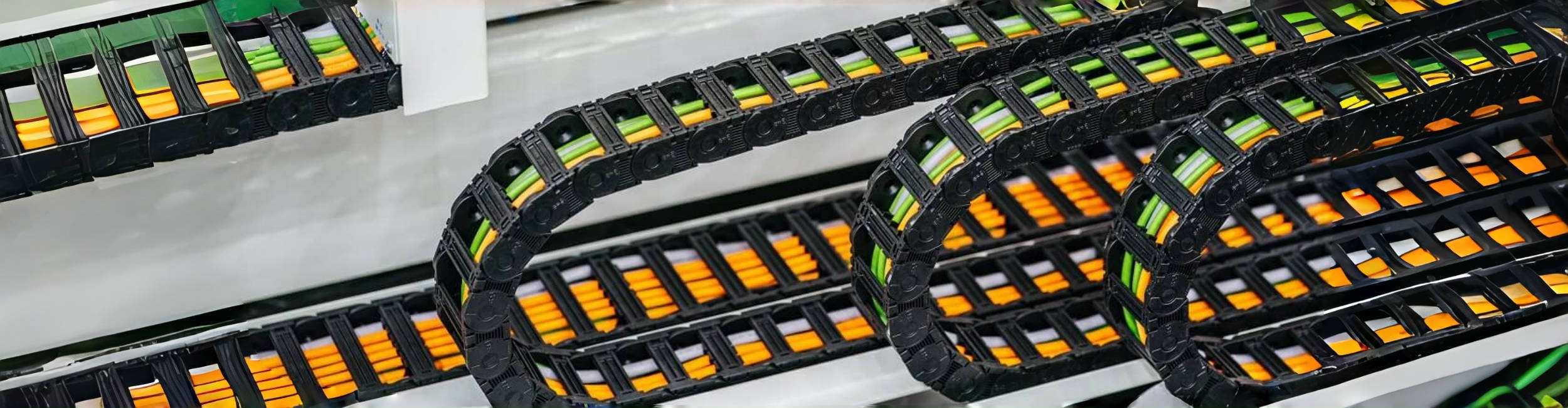
Plastic cable drag chains, also known as energy chains, are essential components used in various manufacturing and machining processes. Designed to manage and protect cables, hoses, and other flexible elements, these chains facilitate smooth and organized movement in machinery. Their design allows for easy installation and maintenance, making them a popular choice in many industrial applications.
2026-02-28
The primary purpose of a plastic cable drag chain is to prevent wear and tear on cables and hoses, which can happen due to friction and movement. By holding these components securely in place, drag chains minimize the risk of damage and extend the lifespan of your machinery. This is particularly important in environments where cables are subjected to constant movement or where space is constrained, such as in CNC machines, robotics, and automated assembly lines.
One of the key benefits of using plastic cable drag chains is their lightweight yet durable construction. Made from high-quality plastic materials, these chains provide a favorable strength-to-weight ratio. This characteristic is crucial for applications requiring rapid movement or where weight constraints are a concern. Additionally, the plastic material is often resistant to various chemicals and environmental factors, ensuring longevity even in harsh conditions.
Another advantage of plastic cable drag chains is their versatility. They come in a range of sizes, shapes, and configurations to accommodate different types of cables and hoses. Whether you need a chain for a stationary application or one that needs to flex as it moves, there exists a design that meets your requirements. This adaptability makes them suitable for diverse industries, from automotive manufacturing to aerospace and beyond.
Moreover, installation of plastic cable drag chains is relatively straightforward. They often feature modular designs that allow for easy assembly and disassembly. This not only saves time during setup but also simplifies maintenance and replacements when necessary. Being able to quickly access and replace components can significantly reduce machine downtime, thereby enhancing productivity.
In conclusion, plastic cable drag chains are vital components in the manufacturing sector that enhance the efficiency and reliability of machinery. By mitigating the risks associated with cable wear and providing a flexible solution for cable management, these drag chains play a critical role in ensuring smooth operational processes. Understanding their benefits and applications can help professionals in the manufacturing and machining industries make informed decisions about their machinery configurations, ultimately leading to improved efficiency and reduced operational costs.
Related News

Maximizing Efficiency with Cable Drag Chains in Manufacturing
In the realm of manufacturing and machining, the need for organized, efficient, and safe cable management is paramount. This is where cable drag chains come into play. A cable drag chain is designed to house and protect cables, hoses, and other components, allowing for smooth, unhindered movement in machinery. With a variety of designs and configurations available, they cater to specific requireme
How to Troubleshoot Issues with Your Plastic Drag Chain Table of Contents Understanding Plastic Drag Chains Common Issues with Plastic Drag Chains Identifying the Symptoms of Drag Chain Failure Step-by-Step Troubleshooting Guide Preventative Maintenance Tips for Plastic Drag Chains When to Replace Your Drag Chain Best Practices for Installing Drag Chains Conclusion
Subscribe to
Get the latest information on company products


Contact
Add: 14-2,Liandong U Valley,Manufacturing Industrial Park,Tangxia Town,Pengjiang District,Jiangmen City Guangdong Province, China