Krius Intelligent Manufacturing (Jiangmen) Co., Ltd.

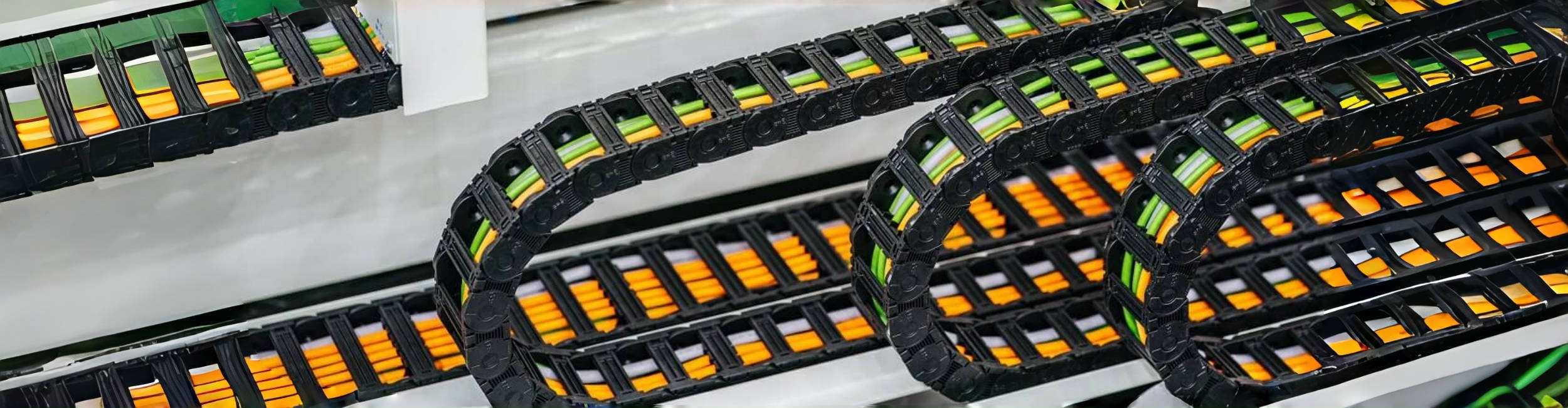
Understanding Plastic Drag Chains: Essential Components for Efficient Manufacturing
Plastic drag chains, also known as energy chains or cable carriers, are crucial components in various manufacturing and machining processes. They serve the primary function of organizing and protecting cables and hoses while allowing for smooth movement along with machinery. Their design facilitates the management of electrical and fluid systems, ensuring that these components remain untangled and
2026-02-26
One of the most significant advantages of plastic drag chains is their lightweight construction. Unlike their metal counterparts, plastic drag chains are easier to handle, which reduces the overall weight of moving machinery. This is particularly beneficial in applications where weight reduction can lead to improved energy efficiency and increased speed. Moreover, plastic drag chains are resistant to corrosion, chemicals, and various environmental factors, making them suitable for use in diverse industrial settings, such as electronics, automotive, and robotics.
The versatility of plastic drag chains extends to their various design options. They come in different sizes and shapes, allowing manufacturers to select the most appropriate configuration for their specific needs. This adaptability ensures that even in complex machinery, the drag chains can accommodate multiple cables and hoses without compromising performance. Additionally, many plastic drag chains offer modular designs, which allow for easy customization and expansion as manufacturing needs evolve.
When considering plastic drag chains, it's essential to understand their maintenance requirements. Regular inspection for wear and tear, as well as ensuring that the chains are adequately lubricated, can significantly extend their lifespan. Operators should also check for any misalignment or obstruction during movement, as these factors can lead to premature failure. Implementing a routine maintenance schedule can save time and resources in the long run.
Furthermore, the installation of plastic drag chains can enhance operational safety. By keeping cables and hoses organized, the risk of tripping hazards and equipment damage is significantly reduced. This leads to a safer working environment, which is paramount in any manufacturing facility.
In conclusion, plastic drag chains are indispensable in the realm of manufacturing and machining machinery. Their lightweight design, versatility, and protective capabilities facilitate efficient operations while minimizing potential hazards. By understanding their applications and maintenance needs, businesses can optimize their use of plastic drag chains to enhance productivity and ensure smooth machinery performance. As industries continue to evolve, the importance of these components will only grow, making them a vital consideration for manufacturers looking to stay competitive in a dynamic market.
Related News

Maximizing Efficiency with Cable Drag Chains in Manufacturing
In the realm of manufacturing and machining, the need for organized, efficient, and safe cable management is paramount. This is where cable drag chains come into play. A cable drag chain is designed to house and protect cables, hoses, and other components, allowing for smooth, unhindered movement in machinery. With a variety of designs and configurations available, they cater to specific requireme
How to Troubleshoot Issues with Your Plastic Drag Chain Table of Contents Understanding Plastic Drag Chains Common Issues with Plastic Drag Chains Identifying the Symptoms of Drag Chain Failure Step-by-Step Troubleshooting Guide Preventative Maintenance Tips for Plastic Drag Chains When to Replace Your Drag Chain Best Practices for Installing Drag Chains Conclusion
Subscribe to
Get the latest information on company products


Contact
Add: 14-2,Liandong U Valley,Manufacturing Industrial Park,Tangxia Town,Pengjiang District,Jiangmen City Guangdong Province, China