Krius Intelligent Manufacturing (Jiangmen) Co., Ltd.

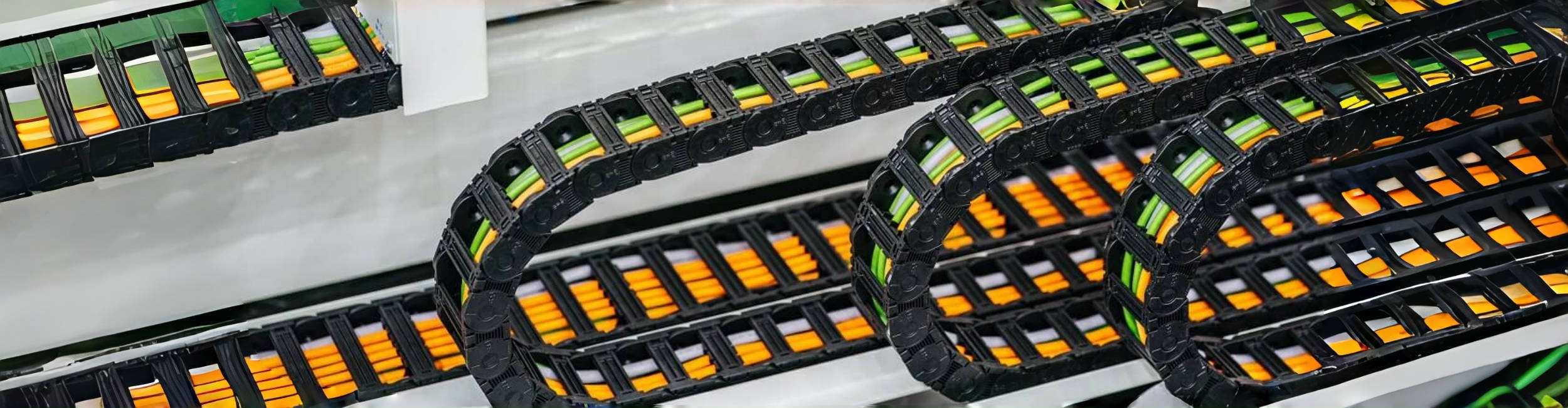
Exploring the Versatility of Cable Drag Chains Across Diverse Industries
Exploring the Versatility of Cable Drag Chains Across Diverse Industries Table of Contents Introduction to Cable Drag Chains Understanding Cable Drag Chains: What Are They? Industries Utilizing Cable Drag Chains Manufacturing Robotics Aerospace Automotive Benefits of Using Cable Drag Chains Design and Confi
2026-02-25
Exploring the Versatility of Cable Drag Chains Across Diverse Industries
Table of Contents
- Introduction to Cable Drag Chains
- Understanding Cable Drag Chains: What Are They?
- Industries Utilizing Cable Drag Chains
- Benefits of Using Cable Drag Chains
- Design and Configuration of Cable Drag Chains
- Maintenance and Care for Optimal Performance
- The Future of Cable Drag Chains in Industry
- Conclusion
- FAQs
Introduction to Cable Drag Chains
Cable drag chains, also referred to as energy chains, are essential components in various industrial applications. They are designed to guide and protect moving cables and hoses, thereby ensuring smooth operation in machines by preventing tangling and wear. As industries evolve, the demand for more reliable and efficient solutions has made cable drag chains indispensable.
Understanding Cable Drag Chains: What Are They?
Cable drag chains consist of a series of interconnected links that form a flexible channel. This channel houses cables and hoses, allowing them to move freely while minimizing friction and strain. Common materials for these chains include high-strength plastics and metals that provide durability in challenging environments.
The primary function of cable drag chains is to facilitate the smooth movement of cables as machinery operates. Their ability to bend and twist without compromising the integrity of the cables they protect is what sets them apart from traditional cable management systems.
Industries Utilizing Cable Drag Chains
Cable drag chains find applications across several industries, driving efficiency and innovation. Below are some key sectors where these components are pivotal.
Manufacturing
In the manufacturing sector, cable drag chains streamline operations by ensuring that machinery operates smoothly. From assembly lines to CNC machines, the need for organized cable management is critical. These chains prevent cable damage, reduce maintenance costs, and improve downtime, leading to increased productivity.
Robotics
The robotics industry heavily relies on cable drag chains for seamless movement and flexibility. Robots equipped with these chains can perform intricate tasks without the risk of entangling cables. This is essential in environments where precision and speed are paramount, such as in automated warehouses and manufacturing plants.
Aerospace
In aerospace applications, cable drag chains are engineered to withstand extreme conditions, including temperature variations and vibrations. They ensure the safe movement of cables within aircraft, reducing the risk of component failure. Their lightweight yet robust design contributes to the overall efficiency and safety of aerospace systems.
Automotive
The automotive industry utilizes cable drag chains throughout the manufacturing process, from robotic assembly lines to vehicle testing systems. These chains help manage complex wiring systems within vehicles, enabling smoother assembly operations and reducing the risk of electrical failures.
Benefits of Using Cable Drag Chains
The benefits of cable drag chains extend beyond mere cable management. Here are some key advantages:
- **Enhanced Protection**: They protect cables from wear and tear, extending their lifespan and reducing replacement costs.
- **Improved Efficiency**: By organizing cables, drag chains enhance the efficiency of machinery, resulting in higher productivity.
- **Safety Assurance**: They prevent cable entanglement, reducing the risk of accidents in high-traffic industrial environments.
- **Customization Options**: With various sizes, materials, and configurations available, businesses can tailor cable drag chains to meet specific needs.
- **Easy Installation and Maintenance**: Cable drag chains are designed for straightforward installation and require minimal maintenance, making them user-friendly.
Design and Configuration of Cable Drag Chains
Choosing the right design and configuration for cable drag chains is crucial for optimal performance. Factors to consider include:
- **Size and Shape**: The size of the drag chain should accommodate the diameter of the cables it will house. Additionally, the chain’s shape needs to align with the movement path of the machinery.
- **Material Selection**: Depending on the operating environment, you may need to choose materials that are resistant to chemicals, high temperatures, or mechanical stress.
- **Load Capacity**: Understanding the load requirements will guide the selection of a drag chain that can handle the weight and movement of the cables and hoses.
- **Bend Radius**: The minimum bend radius is critical to ensure that cables do not get damaged during movement. Ensure that the drag chain can accommodate this bend without putting undue stress on the cables.
By paying attention to these design aspects, businesses can ensure that their cable drag chains function effectively and reliably in their respective applications.
Maintenance and Care for Optimal Performance
To ensure the longevity and efficiency of cable drag chains, regular maintenance is essential. Here are some maintenance tips:
- **Regular Inspections**: Frequently check for wear and tear on both the chain and the cables. Look for signs of fraying, cracking, or other damage.
- **Cleaning**: Dust and debris can accumulate in the drag chain, potentially causing friction. Regular cleaning will help maintain smooth operation.
- **Lubrication**: Some drag chains may require lubrication to ensure smooth movement. Consult the manufacturer’s guidelines for the best practices.
- **Proper Alignment**: Ensure that the drag chain is correctly aligned to prevent unnecessary strain on cables.
Adhering to these maintenance practices will help companies avoid costly downtime and extend the life of their cable drag chains.
The Future of Cable Drag Chains in Industry
As technology advances, the future of cable drag chains looks promising. Innovations in materials and designs are set to enhance their performance further. For instance, the integration of smart technology could allow for real-time monitoring of cable conditions, alerting operators to potential issues before they escalate.
Additionally, with the rise of automation and robotics, the demand for more versatile and robust cable drag chains will continue to grow. Industries will increasingly seek solutions that not only manage cables but also integrate seamlessly with advanced technologies, creating a more efficient and streamlined industrial landscape.
Conclusion
Cable drag chains are more than just simple cable management solutions; they are vital components that enhance the efficiency and safety of various industrial applications. From manufacturing to aerospace, their versatility and reliability make them indispensable in modern operations. By understanding their benefits, proper maintenance, and future potential, businesses can capitalize on the advantages these systems offer, ensuring smoother operations and reduced costs.
FAQs
1. What are cable drag chains used for?
Cable drag chains are primarily used to guide and protect moving cables and hoses in various industrial applications, preventing tangling and wear.
2. How do I choose the right cable drag chain for my application?
Consider factors such as size, material, load capacity, and bend radius when selecting the appropriate cable drag chain.
3. Are cable drag chains customizable?
Yes, cable drag chains come in various sizes and configurations, allowing for customization to meet specific industrial needs.
4. How often should cable drag chains be maintained?
Regular inspections should be conducted, and maintenance should be performed as needed to ensure optimal performance.
5. What materials are cable drag chains made from?
Cable drag chains are typically made from high-strength plastics or metals that provide durability and resistance to environmental factors.
By focusing on these aspects, businesses can leverage cable drag chains to maximize efficiency and minimize operational risks in their respective industries.
Related News

Maximizing Efficiency with Cable Drag Chains in Manufacturing
In the realm of manufacturing and machining, the need for organized, efficient, and safe cable management is paramount. This is where cable drag chains come into play. A cable drag chain is designed to house and protect cables, hoses, and other components, allowing for smooth, unhindered movement in machinery. With a variety of designs and configurations available, they cater to specific requireme
How to Troubleshoot Issues with Your Plastic Drag Chain Table of Contents Understanding Plastic Drag Chains Common Issues with Plastic Drag Chains Identifying the Symptoms of Drag Chain Failure Step-by-Step Troubleshooting Guide Preventative Maintenance Tips for Plastic Drag Chains When to Replace Your Drag Chain Best Practices for Installing Drag Chains Conclusion
Subscribe to
Get the latest information on company products


Contact
Add: 14-2,Liandong U Valley,Manufacturing Industrial Park,Tangxia Town,Pengjiang District,Jiangmen City Guangdong Province, China