Krius Intelligent Manufacturing (Jiangmen) Co., Ltd.

The Essential Guide to Nylon Drag Chains in Manufacturing
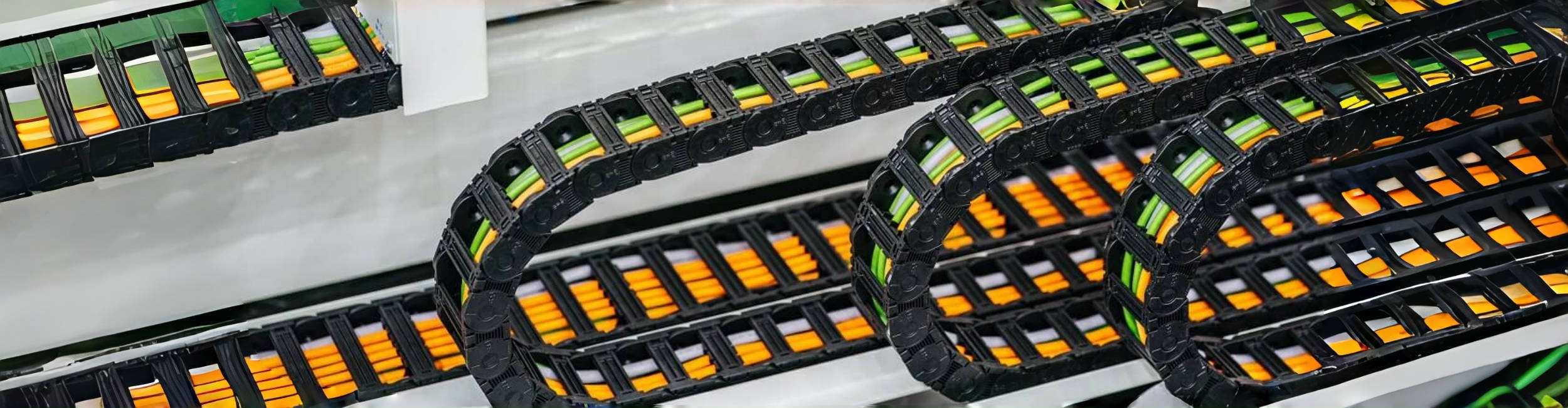
Nylon drag chains, also known as cable carriers or energy chains, are crucial components in many manufacturing and machining applications. Designed to manage and protect cables, hoses, and other flexible elements, these drag chains help maintain organization and efficiency in dynamic environments. As machinery operates, the movement of cables and hoses can lead to wear and tear, which is where nyl
2026-02-24
One of the primary benefits of nylon drag chains is their durability. Made from high-quality nylon, these drag chains are resistant to wear and can withstand the rigors of daily operations in manufacturing settings. They are less susceptible to abrasion and chemical exposure compared to other materials, making them an ideal choice for environments where exposure to oils, coolants, or other substances is common.
Another significant advantage of using nylon drag chains is their flexibility. These structures can accommodate various cable types and sizes, including power cables, signal cables, and hydraulic hoses. This adaptability allows manufacturers to customize drag chain configurations to suit specific machinery needs. Furthermore, nylon drag chains can be easily installed and maintained, ensuring minimal downtime during operations.
Nylon drag chains are also known for their lightweight design. This feature not only reduces the overall weight of the machinery but also minimizes the energy required for operation. Lighter systems are often more efficient, as they require less power to move, contributing to lower energy costs and improved productivity.
When it comes to applications, nylon drag chains find their use in a variety of industries, including automation, robotics, and CNC machining. In automated systems, they help manage the extensive cabling required for sensors and actuators, ensuring smooth operation. In CNC machining, drag chains protect the vital cables that connect the machine's components, preventing interference and mechanical failure.
In addition to their core functions, nylon drag chains offer an aesthetic advantage. Their sleek design can contribute to a cleaner and more organized workspace, which is beneficial not only for functionality but also for safety. A tidy workspace can prevent accidents and create a more professional environment.
In conclusion, nylon drag chains are indispensable tools in the manufacturing and machining sectors. Their durability, flexibility, and lightweight properties make them ideal for managing cables and hoses in dynamic environments. By investing in high-quality nylon drag chains, manufacturers can improve operational efficiency and prolong the lifespan of their equipment. Whether you're involved in automation, CNC machining, or any other manufacturing application, understanding the value of nylon drag chains can lead to better decision-making and enhanced productivity.
Related News

Maximizing Efficiency with Cable Drag Chains in Manufacturing
In the realm of manufacturing and machining, the need for organized, efficient, and safe cable management is paramount. This is where cable drag chains come into play. A cable drag chain is designed to house and protect cables, hoses, and other components, allowing for smooth, unhindered movement in machinery. With a variety of designs and configurations available, they cater to specific requireme
How to Troubleshoot Issues with Your Plastic Drag Chain Table of Contents Understanding Plastic Drag Chains Common Issues with Plastic Drag Chains Identifying the Symptoms of Drag Chain Failure Step-by-Step Troubleshooting Guide Preventative Maintenance Tips for Plastic Drag Chains When to Replace Your Drag Chain Best Practices for Installing Drag Chains Conclusion
Subscribe to
Get the latest information on company products


Contact
Add: 14-2,Liandong U Valley,Manufacturing Industrial Park,Tangxia Town,Pengjiang District,Jiangmen City Guangdong Province, China