Krius Intelligent Manufacturing (Jiangmen) Co., Ltd.

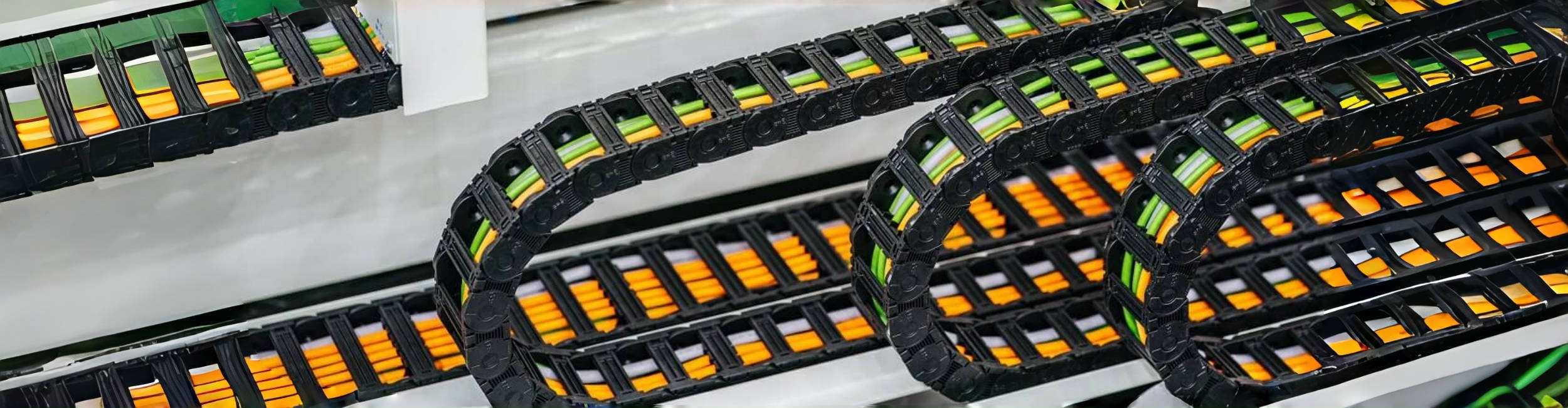
Why Plastic Cable Drag Chains Are a Game-Changer for Manufacturers
Why Plastic Cable Drag Chains Are a Game-Changer for Manufacturers Manufacturing processes have evolved rapidly over the years, with innovations aimed at improving efficiency and enhancing productivity. Among these advancements, **plastic cable drag chains** stand out as a transformative solution. In this article, we will delve deep into why these drag chains are considered a game-changer for manu
2026-02-23
Why Plastic Cable Drag Chains Are a Game-Changer for Manufacturers
Manufacturing processes have evolved rapidly over the years, with innovations aimed at improving efficiency and enhancing productivity. Among these advancements, **plastic cable drag chains** stand out as a transformative solution. In this article, we will delve deep into why these drag chains are considered a game-changer for manufacturers, exploring their benefits, applications, and the technology behind them.
Table of Contents
- Introduction to Plastic Cable Drag Chains
- The Benefits of Using Plastic Cable Drag Chains
- Applications of Plastic Cable Drag Chains in Manufacturing
- Design and Technology Behind Plastic Cable Drag Chains
- Installation and Maintenance of Plastic Cable Drag Chains
- Cost-Effectiveness of Plastic Cable Drag Chains
- Plastic vs. Metal Drag Chains: A Comparative Analysis
- Future Trends in Plastic Cable Drag Chain Technology
- FAQs About Plastic Cable Drag Chains
- Conclusion
Introduction to Plastic Cable Drag Chains
Plastic cable drag chains, also known as energy chains or cable carriers, are designed to protect and manage cables and hoses in various manufacturing environments. They play a crucial role in keeping electrical and fluid systems organized while allowing for smooth movement across machinery. Unlike traditional metal drag chains, plastic versions offer unique advantages that boost performance in demanding conditions.
The Benefits of Using Plastic Cable Drag Chains
When manufacturers consider the integration of drag chains into their operations, they often prioritize the benefits these systems can provide. Here are several key advantages of using plastic cable drag chains:
1. Enhanced Durability
Plastic cable drag chains are engineered to withstand harsh manufacturing environments. They resist corrosion, wear, and tear caused by exposure to chemicals, oil, and other industrial materials, ensuring longevity and reliability.
2. Lightweight Design
The lightweight nature of plastic drag chains reduces overall equipment weight, enabling easier movement and less strain on machinery. This can lead to increased operational efficiency and reduced energy consumption.
3. Flexibility in Installation
Plastic cable drag chains are highly versatile, allowing for various configurations tailored to specific machinery requirements. This adaptability simplifies installation and can lead to reduced labor costs.
4. Noise Reduction
Operating machinery can often be noisy, but plastic drag chains help mitigate this issue. Their design contributes to lower noise levels, creating a more pleasant work environment and improving operator comfort.
5. Safety Features
With their protective design, plastic drag chains help prevent cable tangling or damage, reducing the risk of workplace accidents. This fosters a safer working environment—crucial for employee welfare and compliance with safety regulations.
Applications of Plastic Cable Drag Chains in Manufacturing
Plastic cable drag chains find widespread applications across various sectors in the manufacturing industry. Here are some notable examples:
1. CNC Machines
CNC machines require precise movement and organization of cables. Plastic cable drag chains effectively manage these cables, ensuring smooth operation and minimizing downtime.
2. Robotics
In automated manufacturing, robots often need to move fluidly across the production floor. Plastic drag chains facilitate this movement, keeping cables secure and out of the way.
3. Conveyor Systems
Conveyor systems rely on the smooth flow of materials. By using plastic cable drag chains, manufacturers can ensure that the cables powering these systems remain organized and protected.
4. Packaging Equipment
In the packaging industry, machinery often requires customization and flexibility. Plastic drag chains accommodate this need, allowing for easy adjustments and maintenance.
5. Material Handling Systems
Material handling systems benefit from the lightweight and durable nature of plastic drag chains, which facilitate the safe and efficient transport of materials throughout the production process.
Design and Technology Behind Plastic Cable Drag Chains
The design and technological advancements in plastic cable drag chains contribute significantly to their functionality. Here’s a closer look at what makes them effective:
1. Modular Design
Many plastic drag chains feature a modular design, allowing manufacturers to customize the chain length and width according to their specific needs. This flexibility enhances usability across various applications.
2. Low Friction Materials
The materials used in plastic drag chains often incorporate low-friction properties, which reduce wear on cables and allow for smoother movement. This technology aids in preventing damage and extending the life of both the drag chain and the cables it carries.
3. Vibration Dampening
Advanced engineering techniques in plastic drag chains include vibration dampening features, which minimize the impact of vibrations on machinery performance. This is particularly beneficial in high-speed applications.
4. Environmental Resistance
Many plastic drag chains are produced with materials designed to withstand extreme temperatures and exposure to various chemicals. This ensures functionality in diverse environments, from hot metalworking shops to cold storage facilities.
Installation and Maintenance of Plastic Cable Drag Chains
Installing and maintaining plastic cable drag chains is an essential aspect of their performance. Here’s a guide to ensure optimal usage:
1. Proper Installation Techniques
When installing plastic cable drag chains, manufacturers should follow industry best practices. This includes ensuring that the chain is correctly aligned, allowing for adequate movement without binding, and securing cables properly within the chain.
2. Routine Inspections
Regular inspections are vital for maintaining the integrity of drag chains. Checking for signs of wear, tension, and alignment helps prevent issues before they escalate, ultimately enhancing the chain’s longevity.
3. Cleaning and Maintenance
Keeping plastic drag chains clean is essential for preventing contamination that can lead to malfunction. A simple cleaning regimen can significantly extend the life of the chains and the cables they protect.
Cost-Effectiveness of Plastic Cable Drag Chains
Investing in plastic cable drag chains can yield significant cost savings for manufacturers over time. Here’s how:
1. Reduced Downtime
With their durable design and effective cable management, plastic drag chains can lead to less equipment failure and reduced downtime, translating to higher productivity.
2. Lower Replacement Costs
The longevity and resilience of plastic cable drag chains often mean fewer replacements over time, resulting in lower overall costs for manufacturers.
3. Energy Efficiency
The lightweight nature of plastic drag chains can contribute to lower energy consumption in machinery, enhancing overall operational efficiency and reducing energy bills.
Plastic vs. Metal Drag Chains: A Comparative Analysis
While both plastic and metal drag chains have their merits, here’s a detailed comparison to understand their respective strengths:
1. Weight
Plastic drag chains are significantly lighter than their metal counterparts, which can help reduce strain on machinery and improve energy efficiency.
2. Corrosion Resistance
Plastic drag chains excel in environments prone to moisture and chemicals, whereas metal chains may rust and require additional treatment.
3. Noise Levels
Plastic chains are quieter than metal chains, making them preferable in settings where noise reduction is a priority.
4. Cost
While metal chains may have lower upfront costs, the long-term savings offered by plastic chains often outweigh the initial investment due to their durability and maintenance needs.
Future Trends in Plastic Cable Drag Chain Technology
As technology evolves, so do the capabilities of plastic cable drag chains. Here are some anticipated trends that could shape their future:
1. Smart Features
The integration of smart technology within plastic cable drag chains is on the rise. This could include sensors that monitor wear and alert operators of potential issues.
2. Sustainable Materials
With increasing awareness of environmental issues, manufacturers may turn toward biodegradable or recyclable materials for producing plastic drag chains, reducing their ecological footprint.
3. Customization Options
Future advancements may also lead to more customizable drag chain solutions, allowing manufacturers to tailor features to their specific operational needs.
FAQs About Plastic Cable Drag Chains
1. What are plastic cable drag chains made from?
Plastic cable drag chains are typically made from high-performance plastics such as nylon, polypropylene, or other specialized polymers.
2. How do I choose the right size of plastic cable drag chain?
Selecting the appropriate size involves considering the number and size of cables, the movement range, and the specific application requirements.
3. Can plastic cable drag chains be used outdoors?
Yes, many plastic drag chains are designed for outdoor use, but it’s essential to choose materials that can withstand UV exposure and varying weather conditions.
4. How often should I replace plastic cable drag chains?
The lifespan of plastic drag chains can vary depending on usage and environmental conditions, but regular inspections will help determine when replacement is necessary.
5. Are plastic cable drag chains compatible with all types of cables and hoses?
Most plastic drag chains are designed to accommodate a variety of cables and hoses, but it’s important to verify compatibility with specific types before installation.
Conclusion
In the fast-paced world of manufacturing, **plastic cable drag chains** have emerged as an essential component that enhances efficiency, safety, and overall productivity. With their numerous advantages, from durability to cost-effectiveness, these drag chains represent a significant shift in how manufacturers approach cable management. As technology continues to evolve, we can expect further innovations in plastic cable drag chains that will only solidify their position as game-changers in the manufacturing landscape. Embracing this technology not only enhances operational efficiency but also prepares manufacturers to meet the challenges of future production demands.
Related News

Maximizing Efficiency with Cable Drag Chains in Manufacturing
In the realm of manufacturing and machining, the need for organized, efficient, and safe cable management is paramount. This is where cable drag chains come into play. A cable drag chain is designed to house and protect cables, hoses, and other components, allowing for smooth, unhindered movement in machinery. With a variety of designs and configurations available, they cater to specific requireme
How to Troubleshoot Issues with Your Plastic Drag Chain Table of Contents Understanding Plastic Drag Chains Common Issues with Plastic Drag Chains Identifying the Symptoms of Drag Chain Failure Step-by-Step Troubleshooting Guide Preventative Maintenance Tips for Plastic Drag Chains When to Replace Your Drag Chain Best Practices for Installing Drag Chains Conclusion
Subscribe to
Get the latest information on company products


Contact
Add: 14-2,Liandong U Valley,Manufacturing Industrial Park,Tangxia Town,Pengjiang District,Jiangmen City Guangdong Province, China