Krius Intelligent Manufacturing (Jiangmen) Co., Ltd.

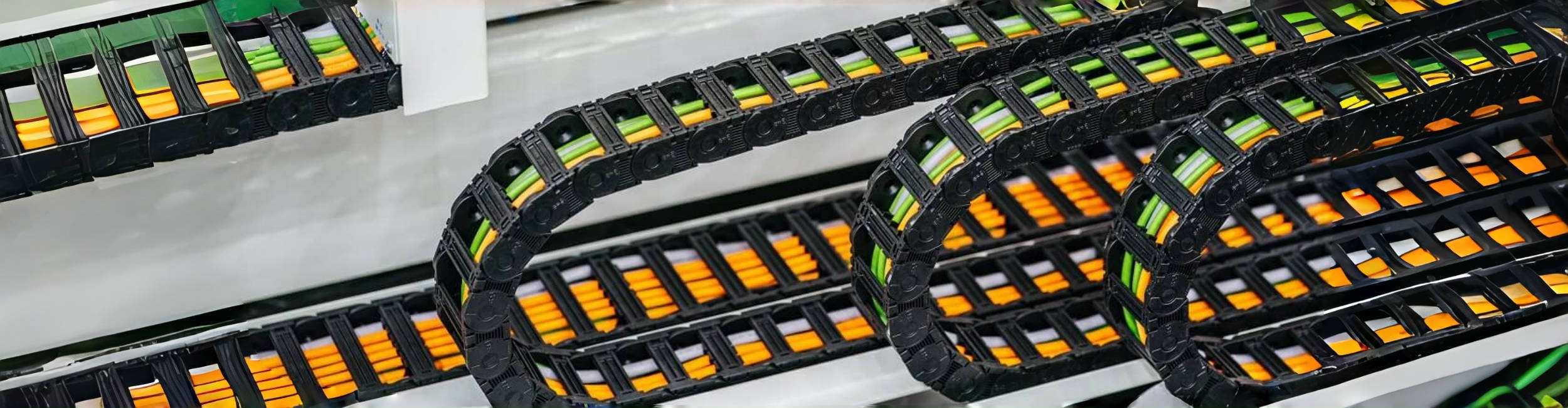
Understanding the Material Composition of Plastic Cable Drag Chains: A Comprehensive Guide
Understanding the Material Composition of Plastic Cable Drag Chains Plastic cable drag chains are essential components in various industrial applications, particularly in automated machinery and systems. They protect cables and hoses while allowing for smooth movement, minimizing wear and tear. To choose the right drag chain for your application, it's crucial to understand its material composition
2026-02-13
Understanding the Material Composition of Plastic Cable Drag Chains
Plastic cable drag chains are essential components in various industrial applications, particularly in automated machinery and systems. They protect cables and hoses while allowing for smooth movement, minimizing wear and tear. To choose the right drag chain for your application, it's crucial to understand its material composition, properties, and performance under different conditions.
Table of Contents
- 1. Introduction to Plastic Cable Drag Chains
- 2. Material Composition of Plastic Cable Drag Chains
- 3. Types of Materials Used in Manufacturing
- 4. Advantages of Using Plastic Drag Chains
- 5. Applications of Plastic Cable Drag Chains
- 6. How to Choose the Right Plastic Drag Chain
- 7. Maintenance Tips for Plastic Cable Drag Chains
- 8. Frequently Asked Questions
- 9. Conclusion
1. Introduction to Plastic Cable Drag Chains
Plastic cable drag chains, also known as energy chains or cable carriers, are designed to manage and protect cables and hoses in moving applications. They are widely used in CNC machines, robotic arms, and various automated systems. Understanding their material composition is critical for selecting the appropriate drag chain that meets your operational needs.
2. Material Composition of Plastic Cable Drag Chains
The material composition of plastic cable drag chains significantly influences their performance, durability, and suitability for different environments. Most commonly, these drag chains are made from high-quality thermoplastics. Let's explore the primary materials used:
2.1 Polyamide (Nylon)
Polyamide, commonly known as nylon, is one of the most popular materials in the manufacturing of plastic drag chains. Known for its excellent tensile strength and flexibility, nylon is ideal for applications requiring movement and bending.
Properties of Polyamide
- High abrasion resistance
- Good chemical resistance
- Exceptional impact strength
- Excellent fatigue resistance
2.2 Polypropylene (PP)
Another commonly used material is polypropylene, which offers a balance of strength and lightweight characteristics. It is resistant to moisture and some chemicals.
Properties of Polypropylene
- Lightweight and cost-effective
- Good resistance to fatigue and impact
- Excellent resistance to chemicals and solvents
- Suitable for moderate temperature applications
2.3 Polyethylene (PE)
Polyethylene is often used for drag chains that require flexibility and toughness. It is particularly effective in low-temperature environments.
Properties of Polyethylene
- Good impact resistance at low temperatures
- Lightweight and flexible
- Chemical resistance, especially against acids
- Cost-effective for bulk applications
3. Types of Materials Used in Manufacturing
Understanding the types of materials used in plastic cable drag chains helps in identifying their appropriate applications. Here’s a deeper look into the most common materials:
3.1 Reinforced Plastics
Reinforced plastics, such as glass-fiber-reinforced nylon, are used when additional strength and stability are required. This material can withstand heavier loads and harsher conditions.
3.2 Conductive Plastics
In environments where static electricity could pose a risk, conductive plastics are utilized. These materials dissipate static charges and help prevent electrical interference.
4. Advantages of Using Plastic Drag Chains
Choosing plastic drag chains over metal alternatives offers numerous advantages:
4.1 Weight Reduction
Plastic drag chains are significantly lighter than their metal counterparts, leading to reduced stress on machinery and improved energy efficiency.
4.2 Cost-Effectiveness
The manufacturing cost of plastic is generally lower than that of metal, making plastic drag chains a more affordable option for many applications.
4.3 Corrosion Resistance
Plastic materials are inherently resistant to corrosion, making them suitable for applications in wet or chemically aggressive environments.
4.4 Noise Reduction
Plastic drag chains operate more quietly than metal chains, contributing to a better working environment in various industrial settings.
5. Applications of Plastic Cable Drag Chains
Plastic cable drag chains are versatile and suitable for a wide range of applications:
5.1 CNC Machines
In CNC machines, drag chains protect the cables from wear and tear while allowing for smooth movement during operation.
5.2 Robotics
Robotic arms require reliable cable management systems to ensure precise movements. Plastic drag chains offer flexibility and durability, making them ideal for robotic applications.
5.3 Automated Guided Vehicles (AGVs)
AGVs benefit from plastic drag chains that manage power and data cables while minimizing the risk of entanglement.
5.4 Assembly Lines
In manufacturing environments, plastic drag chains streamline the movement of cables and hoses, enhancing overall efficiency.
6. How to Choose the Right Plastic Drag Chain
Choosing the right plastic drag chain involves several considerations:
6.1 Load Capacity
Evaluate the load capacity required for your application. It’s essential to select a drag chain that can handle the weight of the cables or hoses it will carry.
6.2 Flexibility and Bending Radius
Consider the flexibility and bending radius of the drag chain. For applications with tight bends, a more flexible chain will be necessary.
6.3 Environmental Factors
Assess the environmental conditions where the drag chain will be used. Factors such as temperature, humidity, and exposure to chemicals can influence the choice of material.
7. Maintenance Tips for Plastic Cable Drag Chains
Proper maintenance extends the lifespan of plastic cable drag chains:
7.1 Regular Inspections
Conduct regular inspections to check for wear and damage. Early detection of issues can prevent more significant problems.
7.2 Cleaning
Keep the drag chains clean from dust, debris, and other contaminants. Regular cleaning helps maintain their structural integrity and performance.
7.3 Lubrication
Although plastic drag chains require less lubrication than metal ones, it's essential to use appropriate lubricants as needed to reduce friction.
8. Frequently Asked Questions
8.1 What is the typical lifespan of plastic drag chains?
The lifespan of plastic drag chains can vary depending on usage conditions but generally ranges from 5 to 10 years with proper maintenance.
8.2 Are plastic drag chains suitable for outdoor use?
Yes, however, it's important to choose materials that can withstand UV exposure and temperature fluctuations if used outdoors.
8.3 Can plastic drag chains hold heavy loads?
Yes, but it’s crucial to select the right type of drag chain based on its load capacity specifications.
8.4 How do I know the right size of drag chain for my application?
The size of the drag chain depends on the number and diameter of the cables or hoses it will carry. Always consult manufacturer guidelines for sizing.
8.5 Are plastic drag chains recyclable?
Many plastic drag chains are made from recyclable materials, but it is advisable to check with the manufacturer regarding recycling options.
9. Conclusion
In summary, understanding the **material composition** of plastic cable drag chains is vital for making informed decisions in manufacturing and automated systems. By evaluating the types of materials, their advantages, and suitable applications, we can select the best drag chains that ensure durability and efficiency. With proper maintenance and care, these chains can significantly enhance the performance of machinery while minimizing potential downtime. As industries continue to evolve, plastic cable drag chains will remain an essential component for innovative solutions in automation.
Related News

Maximizing Efficiency with Cable Drag Chains in Manufacturing
In the realm of manufacturing and machining, the need for organized, efficient, and safe cable management is paramount. This is where cable drag chains come into play. A cable drag chain is designed to house and protect cables, hoses, and other components, allowing for smooth, unhindered movement in machinery. With a variety of designs and configurations available, they cater to specific requireme
How to Troubleshoot Issues with Your Plastic Drag Chain Table of Contents Understanding Plastic Drag Chains Common Issues with Plastic Drag Chains Identifying the Symptoms of Drag Chain Failure Step-by-Step Troubleshooting Guide Preventative Maintenance Tips for Plastic Drag Chains When to Replace Your Drag Chain Best Practices for Installing Drag Chains Conclusion
Subscribe to
Get the latest information on company products


Contact
Add: 14-2,Liandong U Valley,Manufacturing Industrial Park,Tangxia Town,Pengjiang District,Jiangmen City Guangdong Province, China