Krius Intelligent Manufacturing (Jiangmen) Co., Ltd.

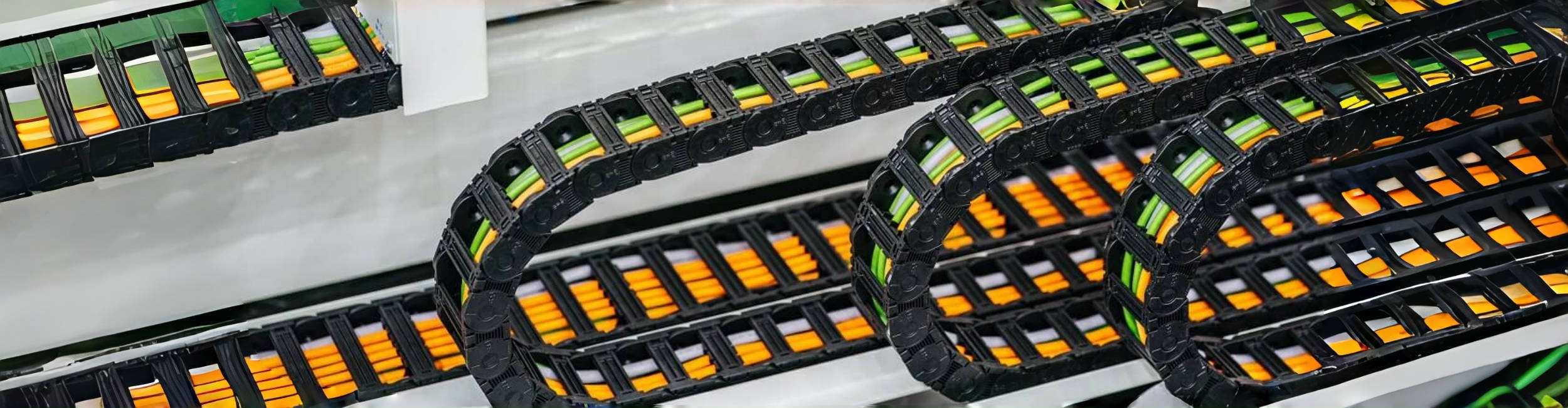
Understanding Nylon Drag Chains: Essential Components for Manufacturing Machinery
Nylon drag chains, also known as energy chains or cable carriers, are integral components in modern manufacturing and processing machinery. These structures are designed to guide and protect moving cables and hoses, ensuring smooth operation in dynamic applications. Their primary function is to minimize the wear and tear on electrical and fluid lines, prolonging the life of these components. One o
2026-02-14
One of the standout features of nylon drag chains is their lightweight yet durable construction. Nylon, a synthetic polymer known for its strength and resistance to abrasion, makes these drag chains ideal for industries where mobility and flexibility are essential. The material's inherent properties allow for reduced friction during movement, which is critical in high-speed applications.
In manufacturing environments, the use of nylon drag chains can significantly enhance the operational efficiency of machinery. By keeping cables and hoses organized and free from tangles, these chains help maintain a clean workspace, reducing the risk of accidents and downtime caused by cable damage. Moreover, the design of drag chains allows for easy installation and maintenance, making it convenient for operators to replace or adjust components as necessary.
Another advantage of nylon drag chains is their versatility. They are suitable for various applications, from CNC machines and industrial robots to conveyor systems and automated manufacturing lines. The adaptability of nylon drag chains enables them to cater to diverse industrial needs, allowing manufacturers to customize solutions that best fit their specific machinery requirements.
When considering the implementation of nylon drag chains in your equipment, it is essential to select the correct size and configuration to ensure optimal performance. Factors such as cable diameter, length of travel, and the number of cables being routed should be taken into account during the selection process. Additionally, environmental conditions, such as exposure to chemicals or extreme temperatures, can influence the choice of drag chains, prompting manufacturers to consider specialized nylon formulations that enhance chemical resistance and temperature tolerance.
In summary, nylon drag chains are a critical component in the realm of manufacturing machinery, particularly for machine tool accessories. Their robust design and functionality contribute significantly to the efficiency and reliability of various industrial applications. By investing in quality nylon drag chains and ensuring proper installation and maintenance, manufacturers can enhance their operational capabilities while minimizing potential risks associated with cable management.
PREVIOUS:
Related News

Maximizing Efficiency with Cable Drag Chains in Manufacturing
In the realm of manufacturing and machining, the need for organized, efficient, and safe cable management is paramount. This is where cable drag chains come into play. A cable drag chain is designed to house and protect cables, hoses, and other components, allowing for smooth, unhindered movement in machinery. With a variety of designs and configurations available, they cater to specific requireme
How to Troubleshoot Issues with Your Plastic Drag Chain Table of Contents Understanding Plastic Drag Chains Common Issues with Plastic Drag Chains Identifying the Symptoms of Drag Chain Failure Step-by-Step Troubleshooting Guide Preventative Maintenance Tips for Plastic Drag Chains When to Replace Your Drag Chain Best Practices for Installing Drag Chains Conclusion
Subscribe to
Get the latest information on company products


Contact
Add: 14-2,Liandong U Valley,Manufacturing Industrial Park,Tangxia Town,Pengjiang District,Jiangmen City Guangdong Province, China