Krius Intelligent Manufacturing (Jiangmen) Co., Ltd.

The Essential Guide to Nylon Cable Drag Chains for Manufacturing Machinery
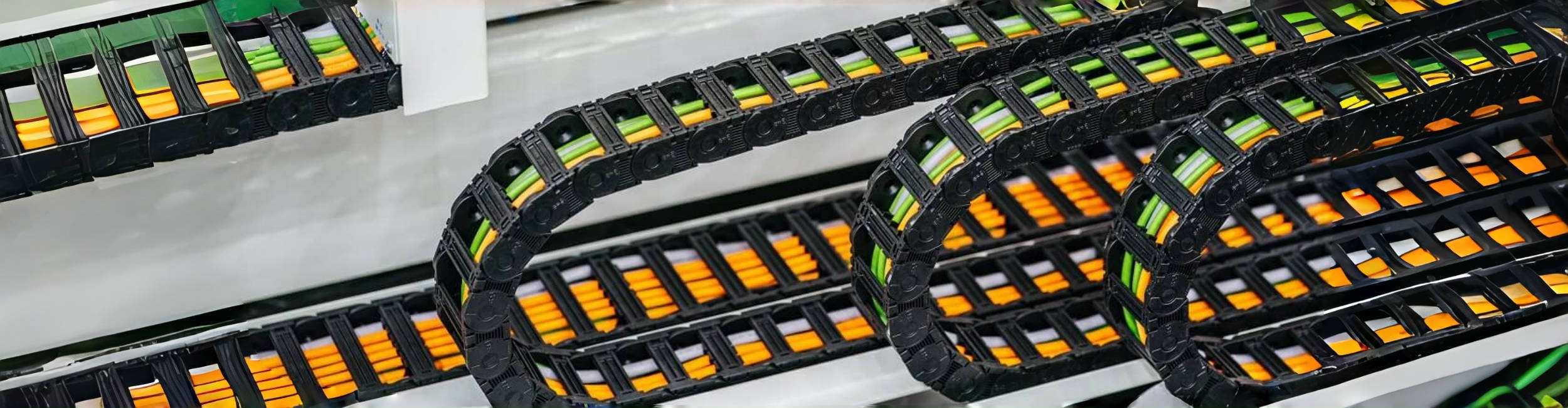
Nylon cable drag chains are essential components widely used in the manufacturing and machining industries. These versatile chains serve multiple functions, primarily designed to manage and protect cables and hoses in moving machinery. Their unique properties and design make them ideal for various applications where mobility, flexibility, and durability are crucial. One of the primary advantages o
2026-02-12
One of the primary advantages of nylon cable drag chains is their lightweight yet robust construction. This material provides excellent resistance to wear, chemicals, and abrasion, making them suitable for environments where heavy machinery operates. The flexibility of nylon allows for smooth bending and movement, reducing the risk of stress on cables and hoses, which can lead to premature failure.
When considering the installation of nylon cable drag chains, it is essential to assess the specific requirements of your machinery. The chains come in various sizes, shapes, and configurations to accommodate different types of cables and hoses. Ensuring the right fit is crucial for optimal performance. Improper sizing can lead to friction, increased wear, and potential damage to internal components.
Another significant benefit of using nylon cable drag chains is their ability to streamline operations. By organizing cables and hoses efficiently, these drag chains prevent tangling and kinking that can disrupt workflow. This organization not only enhances the aesthetic aspect of your machinery but also improves safety by reducing trip hazards and the risk of accidental disconnections.
Nylon cable drag chains are particularly advantageous in dynamic applications, such as CNC machines, robotics, and automated production lines. In these settings, the drag chains facilitate smooth motion while allowing for quick repositioning of equipment. This flexibility is crucial for increasing productivity and reducing downtime in manufacturing processes.
Maintenance is also simplified with nylon cable drag chains. Regular inspections can help identify any wear or damage early on, allowing for timely replacements before they affect overall machinery performance. Additionally, cleaning these chains is straightforward, as nylon is resistant to dirt and grime, which can accumulate over time.
In conclusion, nylon cable drag chains are indispensable in the manufacturing and machining industry. Their lightweight, durable nature, coupled with their ability to enhance organization and streamline operations, makes them a valuable investment for any facility. Whether you are looking to improve the efficiency of existing machinery or design new systems, incorporating nylon cable drag chains can lead to significant performance benefits and long-term reliability.
PREVIOUS:
Related News

Maximizing Efficiency with Cable Drag Chains in Manufacturing
In the realm of manufacturing and machining, the need for organized, efficient, and safe cable management is paramount. This is where cable drag chains come into play. A cable drag chain is designed to house and protect cables, hoses, and other components, allowing for smooth, unhindered movement in machinery. With a variety of designs and configurations available, they cater to specific requireme
How to Troubleshoot Issues with Your Plastic Drag Chain Table of Contents Understanding Plastic Drag Chains Common Issues with Plastic Drag Chains Identifying the Symptoms of Drag Chain Failure Step-by-Step Troubleshooting Guide Preventative Maintenance Tips for Plastic Drag Chains When to Replace Your Drag Chain Best Practices for Installing Drag Chains Conclusion
Subscribe to
Get the latest information on company products


Contact
Add: 14-2,Liandong U Valley,Manufacturing Industrial Park,Tangxia Town,Pengjiang District,Jiangmen City Guangdong Province, China