Krius Intelligent Manufacturing (Jiangmen) Co., Ltd.

Understanding the Critical Role of Plastic Drag Chains in Modern Manufacturing Processes
Understanding the Critical Role of Plastic Drag Chains in Modern Manufacturing Processes Table of Contents What Are Plastic Drag Chains? Benefits of Plastic Drag Chains in Manufacturing Applications of Plastic Drag Chains in Different Industries How Plastic Drag Chains Improve Workplace Safety Key Features to Look For in Plastic Drag Chains Troubleshooting and Maintenance
2026-02-11
Understanding the Critical Role of Plastic Drag Chains in Modern Manufacturing Processes
Table of Contents
- What Are Plastic Drag Chains?
- Benefits of Plastic Drag Chains in Manufacturing
- Applications of Plastic Drag Chains in Different Industries
- How Plastic Drag Chains Improve Workplace Safety
- Key Features to Look For in Plastic Drag Chains
- Troubleshooting and Maintenance Tips for Drag Chains
- The Future of Plastic Drag Chains in Manufacturing
- Frequently Asked Questions
What Are Plastic Drag Chains?
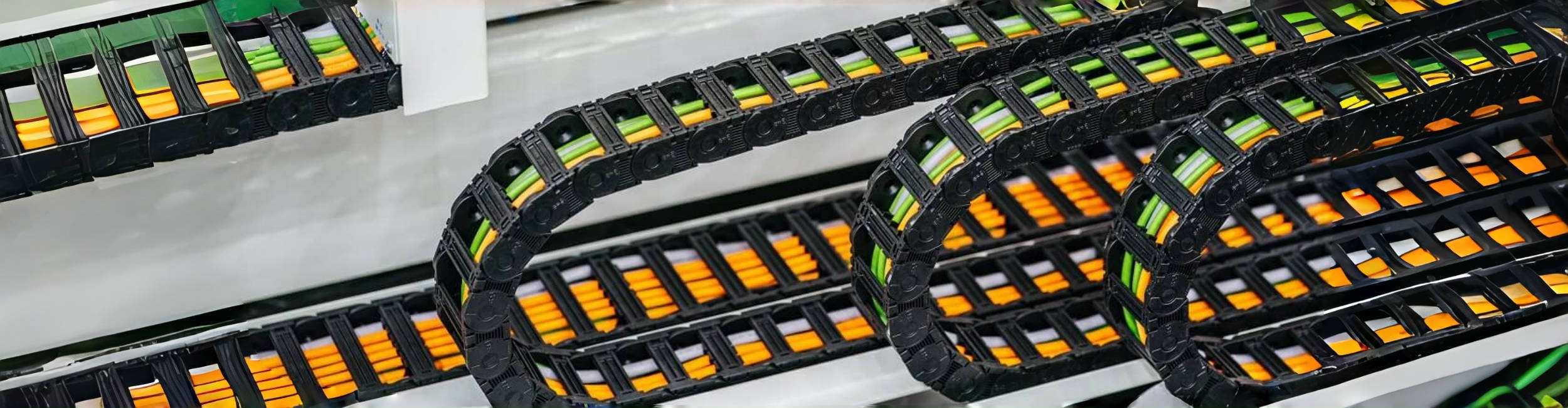
Plastic drag chains, also known as energy chains or cable carriers, are essential components in manufacturing machinery, designed to guide and protect moving cables and hoses. These chains ensure that cables remain organized and free from tangles, reducing wear and tear caused by friction and motion. Typically made from durable plastics, drag chains come in various sizes and configurations to suit different applications and environments.
Construction and Design of Plastic Drag Chains
Plastic drag chains are constructed from high-quality materials that offer excellent resistance to abrasion, chemicals, and UV radiation. The design often includes inner and outer links that can be easily assembled and disassembled, allowing for straightforward maintenance and modifications. This modularity is a significant advantage, enabling manufacturers to adapt their equipment as needed without extensive downtime.
Benefits of Plastic Drag Chains in Manufacturing
The incorporation of plastic drag chains into manufacturing processes presents numerous benefits, contributing to streamlined operations and increased productivity. Here are some of the most notable advantages:
1. Enhanced Cable Management
By organizing cables and hoses effectively, plastic drag chains prevent tangling and ensure smooth movement throughout the manufacturing process. This organization leads to fewer interruptions and a more efficient workflow.
2. Reduced Wear and Tear
Plastic drag chains minimize the friction that occurs when cables move, significantly extending the lifespan of both cables and machinery. This reduction in wear translates into lower maintenance costs and fewer replacements over time.
3. Increased Safety
By enclosing and guiding cables, drag chains reduce the risk of accidents caused by exposed wires, which can lead to trips or electrical hazards. This safety enhancement is crucial in busy manufacturing environments where multiple operators and machines coexist.
4. Versatility
Plastic drag chains are adaptable and can be used in various applications, from CNC machinery to robotic arms. Their versatility makes them a preferred choice across multiple industries, including automotive, electronics, and packaging.
Applications of Plastic Drag Chains in Different Industries
Plastic drag chains find use in various sectors, each benefiting from their unique features. Below are some specific applications:
1. CNC Machines
In CNC machining, drag chains protect the numerous cables and hoses that operate various tools and instruments. Their robust design ensures that these crucial components remain functional and undamaged during operation.
2. Robotics
In robotic applications, plastic drag chains are essential for managing power and signal cables. They facilitate fluid movement, which is vital for the accuracy and efficiency of robotic arms during assembly processes.
3. Automated Manufacturing Systems
Automated systems greatly benefit from drag chains, as they streamline the movement of cables in conveyor belts and assembly lines. This capability ensures that production lines run smoothly and without disruption.
4. Packaging Machinery
In packaging equipment, drag chains help manage the cables that control the machinery’s various functions, including cutting, sealing, and labeling. This organization ensures efficiency and reliability in packaging operations.
How Plastic Drag Chains Improve Workplace Safety
Workplace safety is paramount in manufacturing settings. Plastic drag chains enhance safety by:
1. Reducing Trip Hazards
By keeping cables organized and out of pathways, drag chains help prevent trip hazards that can lead to injuries. This organization is vital in busy environments where employees are often moving around large machinery.
2. Preventing Electrical Hazards
Enclosing wires within drag chains reduces the risk of electrical shocks and fires caused by exposed cables. This safety feature protects employees and minimizes the risk of costly equipment damage.
3. Promoting Efficient Maintenance
With easy access to cables and hoses, maintenance personnel can quickly identify and address potential issues, reducing the risk of accidents caused by malfunctioning equipment.
Key Features to Look For in Plastic Drag Chains
When selecting plastic drag chains for your manufacturing processes, consider the following key features:
1. Material Quality
Choose drag chains made from high-quality plastics that offer durability and resistance to environmental factors. Look for materials that can withstand chemicals, temperature variations, and mechanical stress.
2. Size and Configuration
Ensure that the drag chains are appropriately sized for your application. Consider the length, width, and curvature of the chains for optimal performance in your machinery.
3. Flexibility and Range of Motion
Look for chains that provide flexibility and can accommodate a wide range of movement without compromising the integrity of the cables they protect.
4. Customizability
Consider whether the drag chains can be customized to meet specific needs or configurations in your manufacturing setup. This flexibility can enhance overall efficiency.
Troubleshooting and Maintenance Tips for Drag Chains
Maintaining plastic drag chains is essential for ensuring optimal performance and longevity. Here are some tips for troubleshooting and maintenance:
1. Regular Inspections
Conduct routine inspections to identify signs of wear, such as cracks or misalignment. Early detection can prevent more significant issues down the line.
2. Cleanliness
Keep the drag chains clean from dust and debris, as these can interfere with their operation. Regularly clean the chains and the surrounding area to ensure smooth functioning.
3. Lubrication
While many drag chains do not require lubrication, some may benefit from occasional lubrication to reduce friction and wear. Always refer to the manufacturer's guidelines.
4. Replacement of Damaged Sections
If a section of the drag chain becomes damaged, replace it promptly to avoid further damage to the cables or hoses. This proactive measure can save time and costs in the long run.
The Future of Plastic Drag Chains in Manufacturing
The role of plastic drag chains in modern manufacturing is likely to evolve with advancements in technology and materials. Manufacturers are increasingly focused on developing more sustainable and efficient drag chain solutions that meet the demands of Industry 4.0 and automation.
1. Innovation in Materials
Future drag chains may incorporate advanced materials that offer even greater durability and environmental resistance, promoting sustainability in manufacturing processes.
2. Integration with Smart Technologies
As the industry embraces IoT and smart manufacturing, drag chains may be integrated with sensors that provide real-time monitoring of cable condition, enhancing maintenance and efficiency.
3. Customization and Modularity
The future may also see an increase in customizable drag chains that can be easily tailored to specific applications, allowing for greater flexibility and efficiency in production lines.
Frequently Asked Questions
1. What materials are used to make plastic drag chains?
Plastic drag chains are typically made from high-quality polymers such as nylon or polyethylene that offer durability, resistance to wear, and protection against environmental factors.
2. How do I determine the right size drag chain for my application?
To determine the right size, consider the diameter and length of the cables, as well as the range of motion required in your machinery. Consulting the manufacturer’s specifications can also guide you.
3. Can plastic drag chains be used outdoors?
Yes, many plastic drag chains are designed to withstand outdoor conditions, but it’s essential to choose materials that are UV resistant and appropriate for the specific environmental factors they will encounter.
4. How often should I inspect and maintain drag chains?
Regular inspections should be conducted at least once a month, with more frequent checks recommended in high-use environments. Maintenance schedules can vary based on usage and application.
5. Are plastic drag chains customizable?
Many manufacturers offer customizable plastic drag chains that can be tailored to meet specific needs, including size, configuration, and material properties.
Conclusion
Plastic drag chains play a vital role in contemporary manufacturing, greatly enhancing efficiency, safety, and equipment longevity. By organizing cables and protecting them from wear, these components not only boost productivity but also safeguard employees and machinery alike. As technology advances, the future of plastic drag chains looks promising, with innovations in material science and integration with smart technologies. Manufacturers must stay informed about the latest developments to leverage the full benefits of plastic drag chains in their operations.
Related News

Maximizing Efficiency with Cable Drag Chains in Manufacturing
In the realm of manufacturing and machining, the need for organized, efficient, and safe cable management is paramount. This is where cable drag chains come into play. A cable drag chain is designed to house and protect cables, hoses, and other components, allowing for smooth, unhindered movement in machinery. With a variety of designs and configurations available, they cater to specific requireme
How to Troubleshoot Issues with Your Plastic Drag Chain Table of Contents Understanding Plastic Drag Chains Common Issues with Plastic Drag Chains Identifying the Symptoms of Drag Chain Failure Step-by-Step Troubleshooting Guide Preventative Maintenance Tips for Plastic Drag Chains When to Replace Your Drag Chain Best Practices for Installing Drag Chains Conclusion
Subscribe to
Get the latest information on company products


Contact
Add: 14-2,Liandong U Valley,Manufacturing Industrial Park,Tangxia Town,Pengjiang District,Jiangmen City Guangdong Province, China