Krius Intelligent Manufacturing (Jiangmen) Co., Ltd.

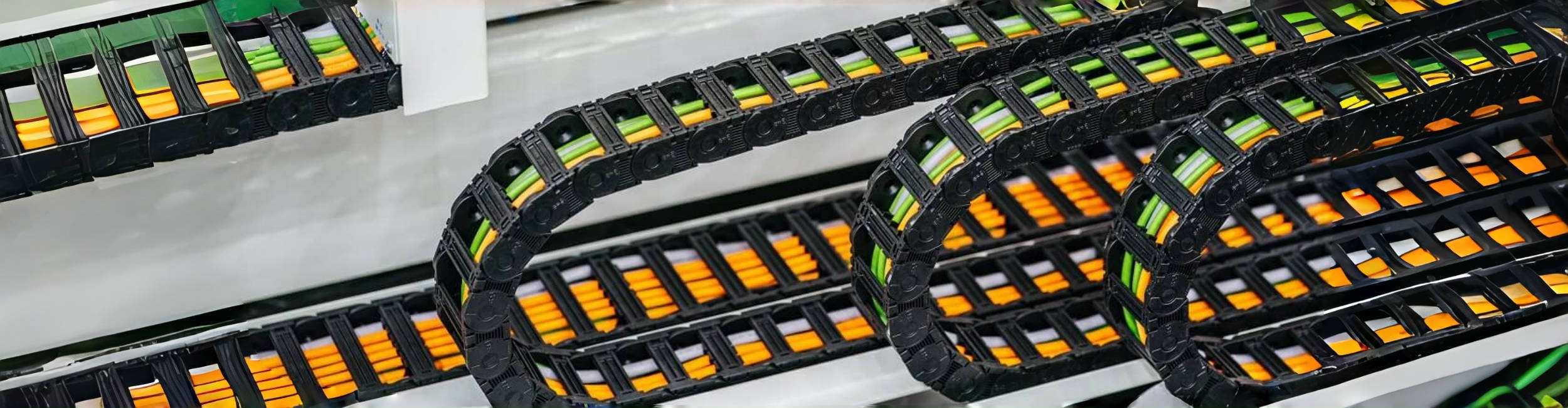
Understanding Cable Drag Chains: Essential Components for Efficient Manufacturing
Cable drag chains, also known as energy chains or cable carriers, are integral components in various manufacturing and machining applications. These chains are designed to guide and protect cables, hoses, and other flexible connections, allowing them to move freely and safely along with machine parts. The primary function of a cable drag chain is to prevent tangling, abrasion, and wear on these es
2026-01-31
One of the key advantages of using cable drag chains is their ability to streamline the movement of cables and hoses in dynamic applications. In manufacturing environments where machinery operates in multiple axes or requires extensive movement, cable drag chains provide a structured pathway, minimizing the risk of damage from friction or environmental factors. This is particularly crucial in CNC machines, robotic arms, and automated production lines, where precision and reliability are paramount.
Selecting the appropriate cable drag chain involves considering various factors, such as the type and number of cables or hoses to be routed, the range of motion required, and the operating environment. For instance, heavy-duty applications may necessitate drag chains made from robust materials capable of withstanding harsh conditions, while lighter applications may benefit from more flexible and lightweight options. Additionally, custom configurations are often available to accommodate unique installation requirements, ensuring that each application receives the optimal solution.
Another important consideration when implementing cable drag chains is the ease of maintenance and the potential for future upgrades. Many modern cable drag chains are designed for quick and straightforward access, allowing for simple cable replacement or adjustments without the need for extensive disassembly. This feature not only saves time during maintenance but also enables manufacturers to adapt to changing technology or production needs more efficiently.
Moreover, advancements in cable drag chain technology have led to innovations such as noise reduction features, enhanced wear resistance, and compatibility with a wider range of cables and hoses. As manufacturing processes continue to evolve, the demand for reliable and efficient cable management solutions like drag chains will only increase, making them a vital component in any manufacturing setup.
In conclusion, cable drag chains are essential for maintaining the efficiency and reliability of manufacturing machinery. By understanding their benefits and selecting the right type for specific applications, manufacturers can optimize their operations, minimize risks, and increase overall productivity. Investing in quality cable drag chains is a strategic step towards ensuring the long-term success of manufacturing processes.
Related News

Maximizing Efficiency with Cable Drag Chains in Manufacturing
In the realm of manufacturing and machining, the need for organized, efficient, and safe cable management is paramount. This is where cable drag chains come into play. A cable drag chain is designed to house and protect cables, hoses, and other components, allowing for smooth, unhindered movement in machinery. With a variety of designs and configurations available, they cater to specific requireme
How to Troubleshoot Issues with Your Plastic Drag Chain Table of Contents Understanding Plastic Drag Chains Common Issues with Plastic Drag Chains Identifying the Symptoms of Drag Chain Failure Step-by-Step Troubleshooting Guide Preventative Maintenance Tips for Plastic Drag Chains When to Replace Your Drag Chain Best Practices for Installing Drag Chains Conclusion
Subscribe to
Get the latest information on company products


Contact
Add: 14-2,Liandong U Valley,Manufacturing Industrial Park,Tangxia Town,Pengjiang District,Jiangmen City Guangdong Province, China