Krius Intelligent Manufacturing (Jiangmen) Co., Ltd.

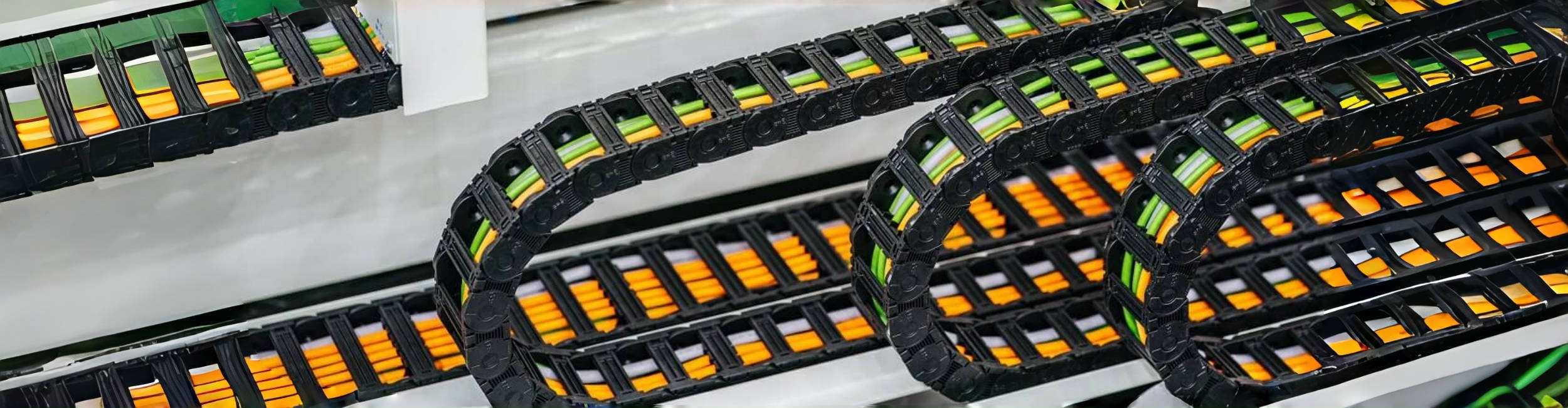
Exploring the Role of Plastic Drag Chains in Shaping Modern Manufacturing Trends
Exploring the Role of Plastic Drag Chains in Shaping Modern Manufacturing Trends Table of Contents 1. Introduction to Plastic Drag Chains 2. Understanding Plastic Drag Chains 3. Benefits of Plastic Drag Chains in Manufacturing 4. Applications of Plastic Drag Chains Across Industries 5. Modern Manufacturing Trends Influenced by Plastic Drag Chains 6. Challenges in Implementing Plastic Drag Chains
2026-02-01
Exploring the Role of Plastic Drag Chains in Shaping Modern Manufacturing Trends
Table of Contents
- 1. Introduction to Plastic Drag Chains
- 2. Understanding Plastic Drag Chains
- 3. Benefits of Plastic Drag Chains in Manufacturing
- 4. Applications of Plastic Drag Chains Across Industries
- 5. Modern Manufacturing Trends Influenced by Plastic Drag Chains
- 6. Challenges in Implementing Plastic Drag Chains
- 7. Future Outlook for Plastic Drag Chains in Manufacturing
- 8. FAQs About Plastic Drag Chains
- 9. Conclusion
1. Introduction to Plastic Drag Chains
In the fast-evolving landscape of manufacturing, efficiency and reliability are paramount. **Plastic drag chains** have emerged as crucial components that facilitate movement and organization of cables and hoses, thereby ensuring streamlined operations. These versatile systems have revolutionized how industries approach productivity and equipment management.
2. Understanding Plastic Drag Chains
Plastic drag chains, also known as energy chains or cable carriers, are designed to protect and guide moving cables and hoses. Their primary function is to allow for smooth, unrestricted movement while minimizing wear and tear on essential components. **Made from high-quality polymers**, these drag chains offer flexibility, durability, and lightweight characteristics, making them ideal for various applications.
2.1 Features of Plastic Drag Chains
The features that set plastic drag chains apart include:
- **Lightweight Design:** Facilitates easier installation and reduces overall load on machinery.
- **Customizability:** Available in various sizes and configurations to meet specific operational needs.
- **Durability:** Resistant to harsh environments, chemicals, and wear, ensuring a longer lifespan.
- **Noise Reduction:** Designed to minimize operational noise, contributing to a better work environment.
3. Benefits of Plastic Drag Chains in Manufacturing
The adoption of **plastic drag chains** in manufacturing presents several significant benefits that can enhance productivity and operational efficiency.
3.1 Enhanced Cable Management
Efficient cable management is critical in any manufacturing setup. Plastic drag chains neatly organize cables and hoses, preventing tangling and damage, which can lead to costly downtimes. This enhanced organization not only streamlines operations but also simplifies maintenance.
3.2 Improved Equipment Lifespan
By protecting cables and hoses from abrasion and environmental factors, plastic drag chains help extend the lifespan of these components. This not only reduces replacement costs but also enhances the reliability of the machinery.
3.3 Increased Productivity
With reduced downtime and enhanced equipment performance, manufacturers experience noticeable improvements in productivity. Smooth and reliable movement of cables and hoses allows for uninterrupted workflows, enabling teams to meet production targets efficiently.
3.4 Cost-Effectiveness
While initial investment in plastic drag chains may seem substantial, the long-term savings from reduced maintenance, fewer replacements, and increased productivity make them a cost-effective choice. Companies can allocate resources more effectively, focusing on growth and innovation.
4. Applications of Plastic Drag Chains Across Industries
Plastic drag chains find applications across a wide range of industries, proving their versatility and effectiveness.
4.1 Automotive Industry
In the automotive sector, plastic drag chains play a pivotal role in robotics and automation systems. They ensure that cables and hoses are efficiently managed, facilitating seamless movement and reducing the risk of damage during production processes.
4.2 Manufacturing and Assembly Lines
Manufacturing lines often involve complex machinery with numerous moving parts. Plastic drag chains organize and protect cables in these setups, promoting synchronization and reducing maintenance needs.
4.3 Aerospace and Defense
In the aerospace industry, where precision is crucial, plastic drag chains are utilized for cable management in aircraft assembly and maintenance. Their lightweight and durable properties ensure that they can withstand the demanding conditions of aerospace environments.
4.4 Robotics and Automation
As industries increasingly adopt automation, plastic drag chains become essential in robotic systems. They ensure that power and communication cables are securely managed while enabling freedom of movement for robotic arms and components.
5. Modern Manufacturing Trends Influenced by Plastic Drag Chains
The integration of **plastic drag chains** aligns with several modern manufacturing trends, shaping the industry's future.
5.1 Industry 4.0 and Smart Manufacturing
With the rise of Industry 4.0, manufacturers are increasingly focusing on automation, data exchange, and advanced manufacturing technologies. Plastic drag chains facilitate the seamless integration of smart machinery, ensuring efficient data transmission and movement of essential cables.
5.2 Sustainability Practices
As sustainability becomes a focal point for many manufacturers, plastic drag chains contribute by reducing waste and energy consumption. Their durability and efficiency lead to longer-lasting systems, aligning with eco-friendly manufacturing practices.
5.3 Customization and Flexibility
Modern manufacturing demands customization and flexibility to meet diverse client needs. Plastic drag chains can be tailored to fit specific applications, allowing manufacturers to adapt quickly to changing requirements without extensive overhauls of existing systems.
6. Challenges in Implementing Plastic Drag Chains
Despite their advantages, some challenges may arise when implementing plastic drag chains in manufacturing settings.
6.1 Initial Investment and Costs
While the long-term benefits are clear, the initial cost of high-quality plastic drag chains can be a barrier for some manufacturers. It is essential to assess the return on investment effectively to justify the expense.
6.2 Compatibility Issues
Not all machinery is designed with drag chains in mind. Compatibility issues may arise, requiring additional modifications or adaptations to existing systems, which can complicate the implementation process.
6.3 Maintenance Requirements
Although plastic drag chains minimize wear on cables, they still require regular maintenance checks to ensure optimal performance. Manufacturers must establish routines to monitor and maintain these systems effectively.
7. Future Outlook for Plastic Drag Chains in Manufacturing
The future of plastic drag chains in manufacturing looks promising, driven by technological advancements and evolving industry needs. As manufacturers continue to prioritize automation and sustainability, the role of plastic drag chains will become even more critical.
7.1 Advancements in Materials
Ongoing research into new materials will enhance the performance and durability of plastic drag chains, making them even more effective in harsh environments. Innovations in polymer technology will likely lead to lighter, stronger, and more flexible drag chains.
7.2 Integration with IoT
The Internet of Things (IoT) is transforming manufacturing processes. Future plastic drag chains may integrate sensors to provide real-time data on cable health and system performance, allowing for preemptive maintenance and increased operational efficiency.
8. FAQs About Plastic Drag Chains
8.1 What are plastic drag chains used for?
Plastic drag chains are used to protect and guide moving cables and hoses in various machinery, ensuring efficient operation and reducing wear.
8.2 How do plastic drag chains improve efficiency?
They enhance cable management, reduce downtime from maintenance, and prolong the lifespan of cables, resulting in increased overall productivity.
8.3 Can plastic drag chains be customized?
Yes, plastic drag chains can be customized in terms of size, shape, and configuration to meet specific operational requirements.
8.4 What industries use plastic drag chains?
Plastic drag chains are utilized across multiple industries, including automotive, aerospace, manufacturing, and robotics.
8.5 Are there any maintenance requirements for plastic drag chains?
While they require minimal maintenance, regular checks are necessary to ensure they are functioning correctly and to prevent potential issues.
9. Conclusion
Plastic drag chains are indispensable components in modern manufacturing, significantly impacting efficiency, sustainability, and productivity. As industries continue to evolve, the demand for these innovative cable management solutions will only grow. Their ability to integrate seamlessly with advanced technologies positions them as essential players in the future of manufacturing. By prioritizing the adoption of plastic drag chains, manufacturers can ensure they remain competitive in an ever-changing landscape.
Related News

Maximizing Efficiency with Cable Drag Chains in Manufacturing
In the realm of manufacturing and machining, the need for organized, efficient, and safe cable management is paramount. This is where cable drag chains come into play. A cable drag chain is designed to house and protect cables, hoses, and other components, allowing for smooth, unhindered movement in machinery. With a variety of designs and configurations available, they cater to specific requireme
How to Troubleshoot Issues with Your Plastic Drag Chain Table of Contents Understanding Plastic Drag Chains Common Issues with Plastic Drag Chains Identifying the Symptoms of Drag Chain Failure Step-by-Step Troubleshooting Guide Preventative Maintenance Tips for Plastic Drag Chains When to Replace Your Drag Chain Best Practices for Installing Drag Chains Conclusion
Subscribe to
Get the latest information on company products


Contact
Add: 14-2,Liandong U Valley,Manufacturing Industrial Park,Tangxia Town,Pengjiang District,Jiangmen City Guangdong Province, China