Krius Intelligent Manufacturing (Jiangmen) Co., Ltd.

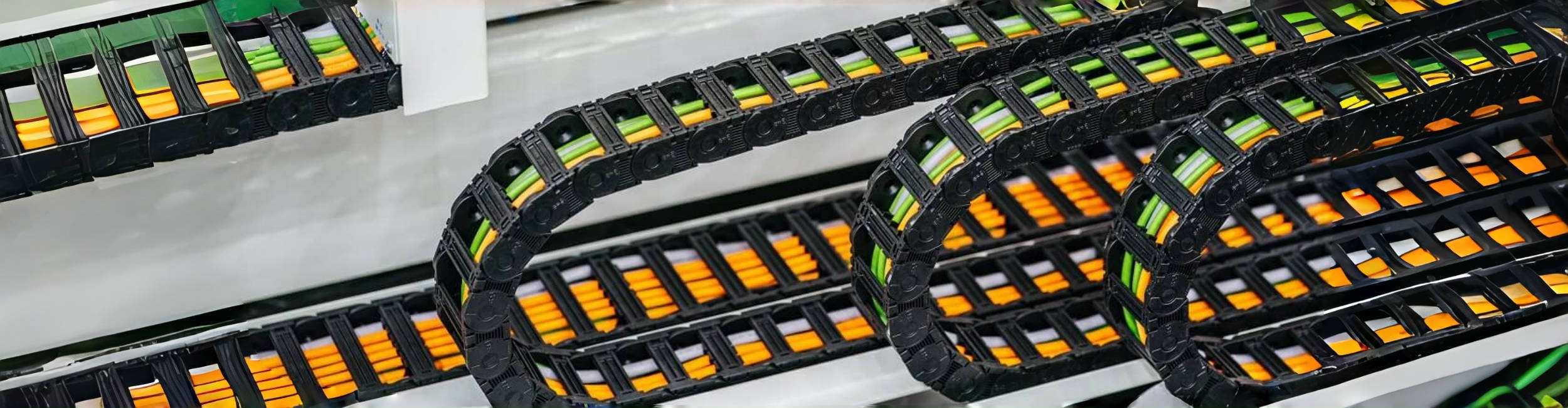
How Nylon Drag Chains Enhance Lean Manufacturing Principles for Efficient Production
How Nylon Drag Chains Enhance Lean Manufacturing Principles for Efficient Production Table of Contents Introduction to Lean Manufacturing and Nylon Drag Chains Understanding Lean Manufacturing Principles What are Nylon Drag Chains? Benefits of Nylon Drag Chains in Manufacturing How Nylon Drag Chains Contribute to Lean Manufacturing Applications of Nylon Drag Chains in Various Industri
2026-01-30
How Nylon Drag Chains Enhance Lean Manufacturing Principles for Efficient Production
Table of Contents
- Introduction to Lean Manufacturing and Nylon Drag Chains
- Understanding Lean Manufacturing Principles
- What are Nylon Drag Chains?
- Benefits of Nylon Drag Chains in Manufacturing
- How Nylon Drag Chains Contribute to Lean Manufacturing
- Applications of Nylon Drag Chains in Various Industries
- Choosing the Right Nylon Drag Chain for Your Needs
- Future Trends in Nylon Drag Chains and Lean Manufacturing
- Frequently Asked Questions
- Conclusion
Introduction to Lean Manufacturing and Nylon Drag Chains
In today’s competitive manufacturing landscape, organizations strive to adopt lean manufacturing principles to optimize their processes. **Lean manufacturing** focuses on maximizing customer value while minimizing waste, creating more efficient operations. One essential element that supports this goal is the **nylon drag chain**. This article explores how nylon drag chains play a crucial role in enhancing lean manufacturing principles, improving operational efficiency, and reducing overall production costs.
Understanding Lean Manufacturing Principles
Lean manufacturing is centered around the elimination of waste, enhancing productivity, and improving product quality. The core principles of lean manufacturing include:
1. Value
Identifying what constitutes value from the customer’s perspective, ensuring that every process contributes to the end goal.
2. Value Stream
Mapping out all the steps in a process to identify areas of waste and opportunities for improvement.
3. Flow
Creating a continuous flow of production that reduces waiting times and productivity losses.
4. Pull
Implementing a pull system where production is based on customer demand rather than forecasting.
5. Perfection
Continuously refining processes to achieve perfection by systematically removing waste.
What are Nylon Drag Chains?
Nylon drag chains, also known as cable carriers or energy chains, are flexible conduits that guide and protect cables and hoses in machinery. These chains are designed to **reduce wear and tear** on cables, ensuring that they remain functional and reliable over time. Constructed from durable nylon materials, they offer several advantages, including:
- **Resistance to abrasion and chemicals**
- **Lightweight yet strong design**
- **Ease of installation and maintenance**
Nylon drag chains are commonly used in various industrial applications, including CNC machines, automated manufacturing lines, and robotics.
Benefits of Nylon Drag Chains in Manufacturing
Incorporating nylon drag chains into manufacturing processes presents numerous benefits that align with lean principles:
1. Enhanced Equipment Performance
Nylon drag chains facilitate smooth movement of cables and hoses, reducing friction and wear. This leads to improved performance of machines and equipment, decreasing the likelihood of breakdowns.
2. Reduced Downtime
By protecting cables and hoses from damage, nylon drag chains minimize unexpected downtime caused by equipment failures. This ensures that production lines remain operational, enhancing overall efficiency.
3. Improved Safety
Nylon drag chains help organize cables and hoses, reducing tripping hazards and ensuring a safer workspace. A safer environment leads to fewer accidents and injuries, contributing to a more productive workforce.
4. Cost Savings
The durability and reliability of nylon drag chains result in lower maintenance and replacement costs. By extending the lifespan of cables and hoses, manufacturers can significantly reduce operational expenses.
How Nylon Drag Chains Contribute to Lean Manufacturing
Nylon drag chains are not just ancillary components; they are integral to the effective implementation of lean manufacturing principles. Here’s how they contribute:
1. Waste Reduction
By streamlining the organization of cables and hoses, nylon drag chains help eliminate unnecessary clutter on the shop floor. This contributes to a more organized workspace, reducing time spent searching for tools and materials.
2. Continuous Improvement
The ease of installation and maintenance of nylon drag chains supports continuous improvement initiatives. Organizations can quickly adapt and modify their setups, allowing for rapid prototyping and innovation.
3. Increased Throughput
With enhanced equipment performance and reduced downtime, nylon drag chains enable a higher throughput. This aligns with lean principles by delivering products faster and more efficiently, ultimately increasing customer satisfaction.
4. Flexibility and Adaptability
Nylon drag chains can be easily configured and customized to suit various manufacturing environments. This adaptability supports lean principles by allowing quick adjustments to production lines based on demand changes.
Applications of Nylon Drag Chains in Various Industries
The versatility of nylon drag chains makes them suitable for a range of industries:
1. Automotive Manufacturing
In automotive plants, nylon drag chains protect wiring and hydraulic lines in robotic assembly applications, ensuring smooth operation and reduced downtime.
2. Aerospace Industry
In aerospace manufacturing, precision is critical. Nylon drag chains provide reliable cable management for complex machines, maintaining strict quality control standards.
3. Food and Beverage Processing
Nylon drag chains are resistant to chemicals and moisture, making them ideal for food processing equipment where hygiene and cleanliness are paramount.
4. Robotics and Automation
In the field of robotics, nylon drag chains enable seamless movement of electrical and pneumatic systems, enhancing the efficiency of automated tasks.
Choosing the Right Nylon Drag Chain for Your Needs
Selecting the appropriate nylon drag chain is crucial for maximizing benefits. Consider the following factors:
1. Load Capacity
Ensure the drag chain can support the weight of the cables and hoses it will carry.
2. Travel Distance
Choose a drag chain that accommodates the required travel distance without compromising performance.
3. Environmental Considerations
Evaluate the operating environment, including exposure to chemicals, temperatures, and moisture levels, to select a suitable material.
4. Flexibility and Bend Radius
Consider how tightly the drag chain needs to bend, as well as its flexibility, to ensure it meets your specific application requirements.
Future Trends in Nylon Drag Chains and Lean Manufacturing
As technology evolves, so do nylon drag chains. Emerging trends include:
1. Smart Drag Chains
Integration of IoT technology to monitor drag chain performance in real-time, providing data for predictive maintenance and operational efficiency.
2. Sustainable Materials
An increasing focus on environmentally friendly materials in the production of nylon drag chains, contributing to sustainable manufacturing practices.
3. Customization and Modular Designs
Advancements in manufacturing processes allow for greater customization, enabling manufacturers to tailor drag chains to specific applications.
Frequently Asked Questions
1. What is the lifespan of nylon drag chains?
The lifespan of nylon drag chains depends on usage and environmental conditions, but they generally last several years with proper maintenance.
2. How do I maintain nylon drag chains?
Regularly inspect drag chains for wear, keep them clean, and ensure that they are properly lubricated to extend their lifespan.
3. Can nylon drag chains be used in outdoor environments?
While nylon drag chains are durable, exposure to extreme weather conditions may require specific materials. Consult manufacturers for guidance.
4. Are nylon drag chains suitable for high-speed applications?
Yes, nylon drag chains can be designed to accommodate high-speed applications, provided they are selected based on the specific requirements.
5. What is the cost of nylon drag chains?
Prices vary based on specifications, size, and material. It’s essential to evaluate your needs and consult suppliers for accurate pricing.
Conclusion
Nylon drag chains are an essential component in achieving lean manufacturing principles. By enhancing equipment performance, reducing waste, and promoting a safer work environment, these chains play a crucial role in optimizing production processes. As industries continue to evolve, the integration of nylon drag chains will remain vital in driving efficiency and innovation. Investing in the right nylon drag chains is not just a matter of convenience; it is a strategic decision that can lead to significant operational improvements and cost savings. Embrace the future of manufacturing with nylon drag chains and watch your business thrive.
Related News

Maximizing Efficiency with Cable Drag Chains in Manufacturing
In the realm of manufacturing and machining, the need for organized, efficient, and safe cable management is paramount. This is where cable drag chains come into play. A cable drag chain is designed to house and protect cables, hoses, and other components, allowing for smooth, unhindered movement in machinery. With a variety of designs and configurations available, they cater to specific requireme
How to Troubleshoot Issues with Your Plastic Drag Chain Table of Contents Understanding Plastic Drag Chains Common Issues with Plastic Drag Chains Identifying the Symptoms of Drag Chain Failure Step-by-Step Troubleshooting Guide Preventative Maintenance Tips for Plastic Drag Chains When to Replace Your Drag Chain Best Practices for Installing Drag Chains Conclusion
Subscribe to
Get the latest information on company products


Contact
Add: 14-2,Liandong U Valley,Manufacturing Industrial Park,Tangxia Town,Pengjiang District,Jiangmen City Guangdong Province, China